
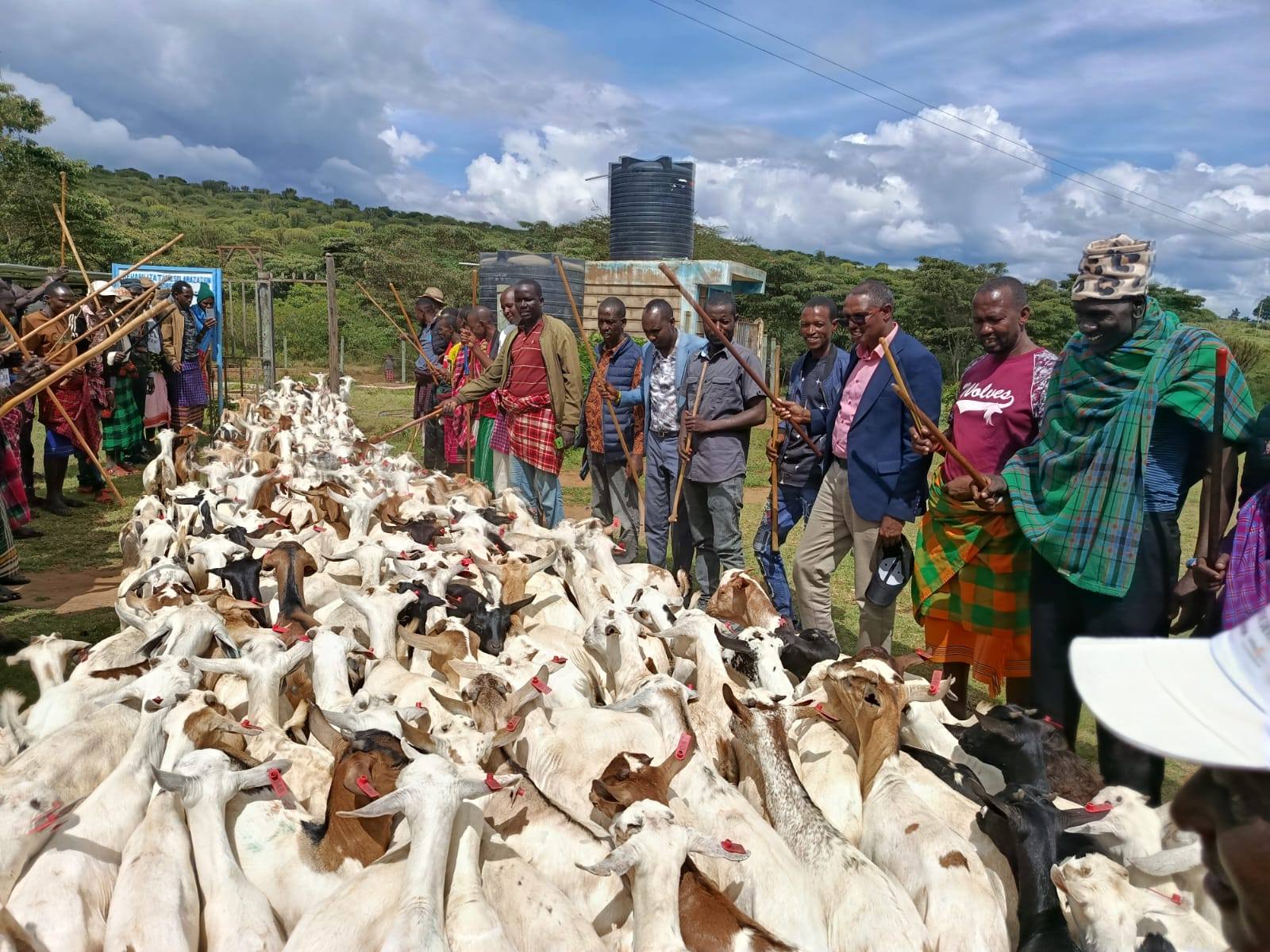
Concerns are mounting over the government's allocation to Kenya's livestock sector in the FY 2026/27 national budget, with experts and pastoralist advocates warning that the funding falls far short of the sector's contribution to the country's economy and food security.
According to budget figures, the livestock sector has been allocated Sh5 billion out of the Sh4.8 trillion national budget, representing just 0.1 percent of total government expenditure.
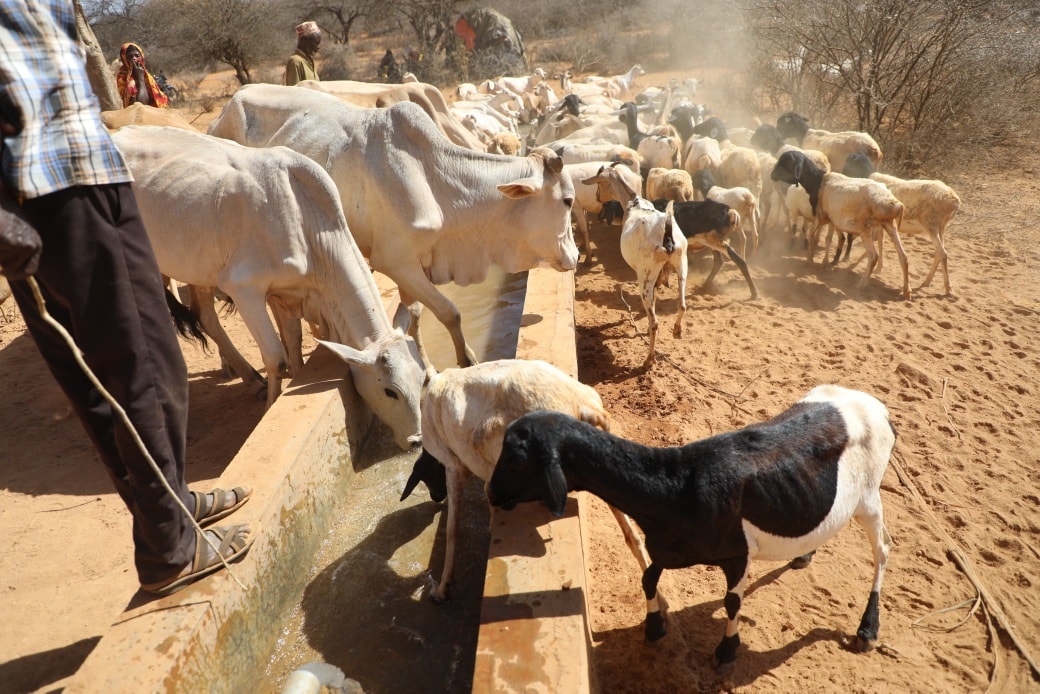
The allocation has reignited debate over public investment priorities, particularly for a sector that contributes 10 percent of Kenya's Gross Domestic Product (GDP) and accounts for half of the country's agricultural GDP.
The concerns have been raised by Dr. Jarso Mokku, Chief Executive Officer of the Drylands Learning and Capacity Building Initiatives (DLCI) and Head of Secretariat of the Pastoralist Parliament Group (PPG) Caucus, who described the allocation as a significant policy contradiction.
"Kenya's FY2026/27 budget exposes a serious policy blind spot. A sector that feeds the nation, sustains millions of livelihoods and drives the drylands economy continues to receive only a fraction of the public investment it deserves," he said.
The livestock industry remains one of Kenya's most important economic pillars, supporting approximately 8.8 million pastoralists across 21 Arid and Semi-Arid Land (ASAL) counties while providing employment, income and food security for millions of households.
Despite its importance, an analysis of the budget shows that annual public investment amounts to approximately Sh568 per pastoralist, or less than USD 4 per person each year.
The budget summary further indicates that of the Sh5 billion allocation:
-
Sh3.3 billion (66%) has been allocated to De-risking, Inclusion and Enhancement of the Pastoral Economy.
-
Sh1.3 billion (26%) will finance the Kenya Livestock Commercialisation Programme.
-
Sh400 million (8%) has been allocated to Livestock Value Chain Support.
While the allocation towards de-risking reflects the increasing vulnerability of pastoral communities to drought and climate shocks, experts argue that investments aimed at improving productivity and competitiveness remain significantly underfunded.
Dr. Mokku argues that Kenya must shift from reactive emergency interventions to sustained investment capable of transforming the livestock economy.
"Risk management is important, but it cannot substitute for serious investment. Kenya must move beyond crisis response and invest in systems that make livestock productive, resilient, competitive and profitable," he noted.
He emphasised that strategic investments should prioritise strengthening veterinary services and disease surveillance to reduce livestock losses; expanding reliable water infrastructure in dryland areas; promoting value addition and meat processing industries; improving livestock markets and cold-chain systems; and enhancing Kenya's competitiveness in regional and international livestock exports.
Such investments, he said, would unlock greater value from the sector while improving incomes for pastoral households and strengthening national food systems.
Beyond its direct contribution to GDP, the livestock sector plays a critical role in ensuring food and nutrition security, supplying meat, milk and other animal products to domestic and export markets.
It also serves as the economic backbone of Kenya's ASAL counties, where pastoralism remains the primary source of livelihoods and resilience against poverty.
Development experts argue that inadequate funding limits the country's ability to respond to emerging livestock diseases, improve animal productivity, modernise marketing systems and support climate adaptation measures in drought-prone regions.
They warn that continued underinvestment could undermine efforts to achieve sustainable rural development while weakening one of Kenya's most significant economic sectors.
DLCI is now urging policymakers to align future budget allocations with the livestock sector's actual economic contribution.
According to the organisation, increasing public investment would not only improve livestock productivity but also strengthen food security, create employment opportunities, increase rural incomes and enhance Kenya's export earnings.
"Underfunding livestock is underfunding food security, drylands resilience, rural incomes and national economic growth. The national budget should match the sector's value, not diminish it," Dr. Mokku said.
As Parliament and stakeholders continue reviewing public expenditure priorities, the debate over livestock financing is expected to remain central to discussions on inclusive economic growth and equitable development.
For many pastoral communities, the outcome will determine whether the sector receives the investment needed to realise its full potential as one of Kenya's most strategic economic assets.