

Northern Kenya is on the verge of welcoming its second university, Wajir Peace University, a visionary institution poised to transform education, peacebuilding, and regional development.
Following Garissa University, this new centre of learning promises to expand higher education access while nurturing a generation of skilled and socially conscious leaders.
The university, located on 500 acres generously donated by the Wajir County Government and local communities, is designed to bridge academic excellence with practical engagement.
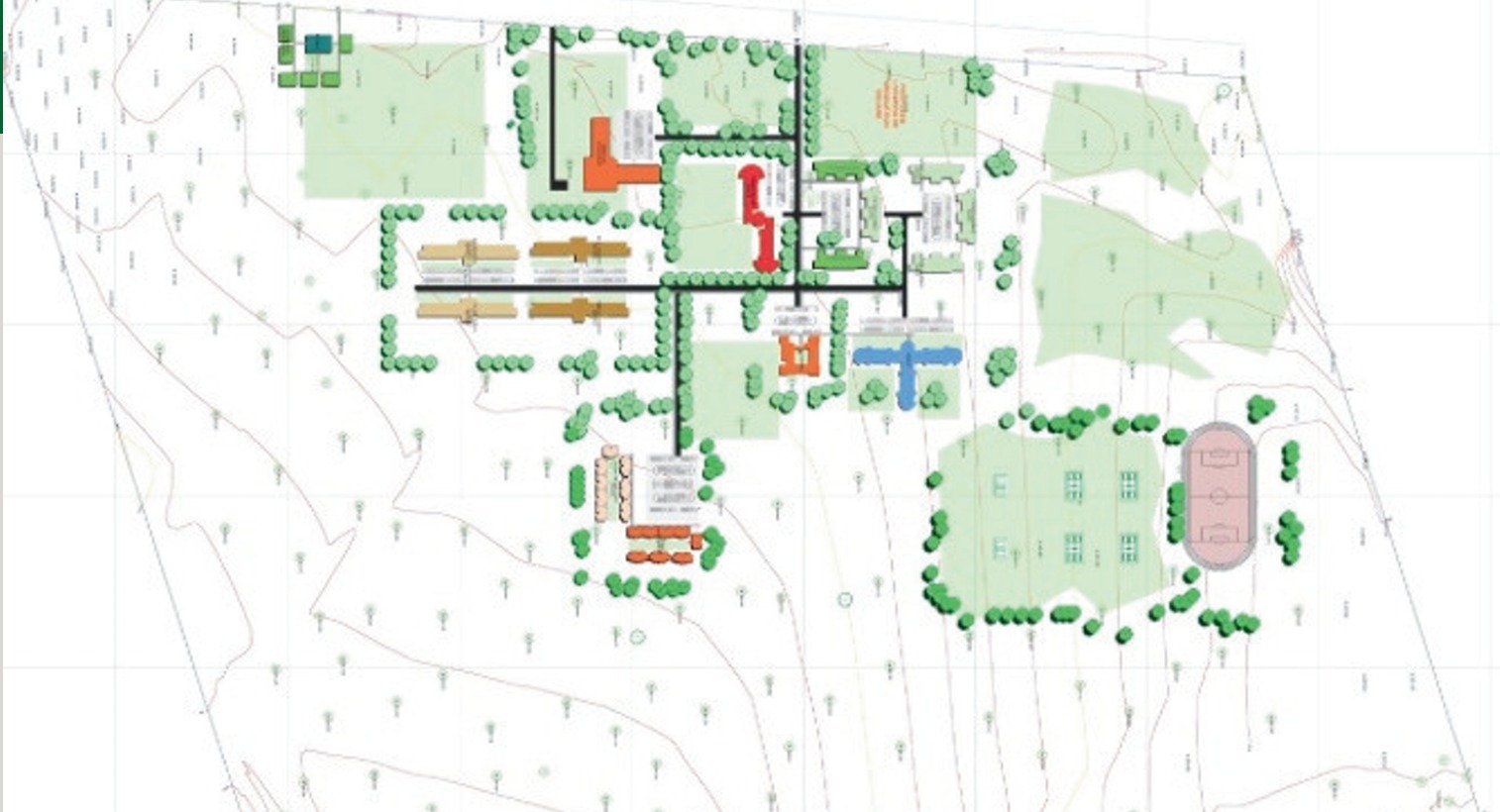
Its mission is rooted in peacebuilding, community empowerment, and inclusive development, aiming to prepare students to tackle both local and global challenges.
The concept for Wajir Peace University was inspired by the late Dekha Ibrahim Abdi, a globally recognized peacebuilder, along with co-founders Nuria Abdullahi, Hussein Adan, and Halima Shuria.
Dekha’s Right Livelihood Award, often referred to as the “Alternative Nobel Prize”, provided initial seed funding, anchoring the university in a legacy of peace, dialogue, and community transformation.
According to the university brochure, Wajir was chosen not only for its strategic location but also for its historical significance in peacebuilding.
The Wajir Peace Process of the 1990s became a model for locally led conflict resolution in Kenya and garnered international recognition.
The university will continue this legacy, combining indigenous knowledge with interdisciplinary programs in areas such as conflict resolution, climate resilience, Islamic finance, and sustainable development.

The initiative has already made tangible progress: the curriculum has been submitted to the Commission for University Education (CUE), the master plan and structural designs are complete, and essential infrastructure such as boreholes and fencing has been established.
Planned facilities include academic and administration blocks, a library, health center, hostels, a cafeteria, and a graduation pavilion, with a total projected cost of $15.5 million.
As the second university in Northern Kenya after Garissa University, Wajir Peace University addresses the critical gap in higher education access for the region, particularly for pastoralist and marginalized communities.
The institution is expected to keep students closer to home, reducing the financial and cultural barriers of studying in southern Kenya, while acting as a hub for economic growth and local job creation.
The Board of Trustees, composed of renowned educators, peace practitioners, and community leaders, continues to mobilize resources, develop programs, and engage stakeholders.

They emphasize that the university is more than an educational institution; it is a movement that preserves local peacebuilding heritage, fosters innovation, and equips a new generation to drive sustainable development in the Horn of Africa.
Wajir Peace University stands as a bold testament to what communities, visionaries, and strategic planning can achieve.