
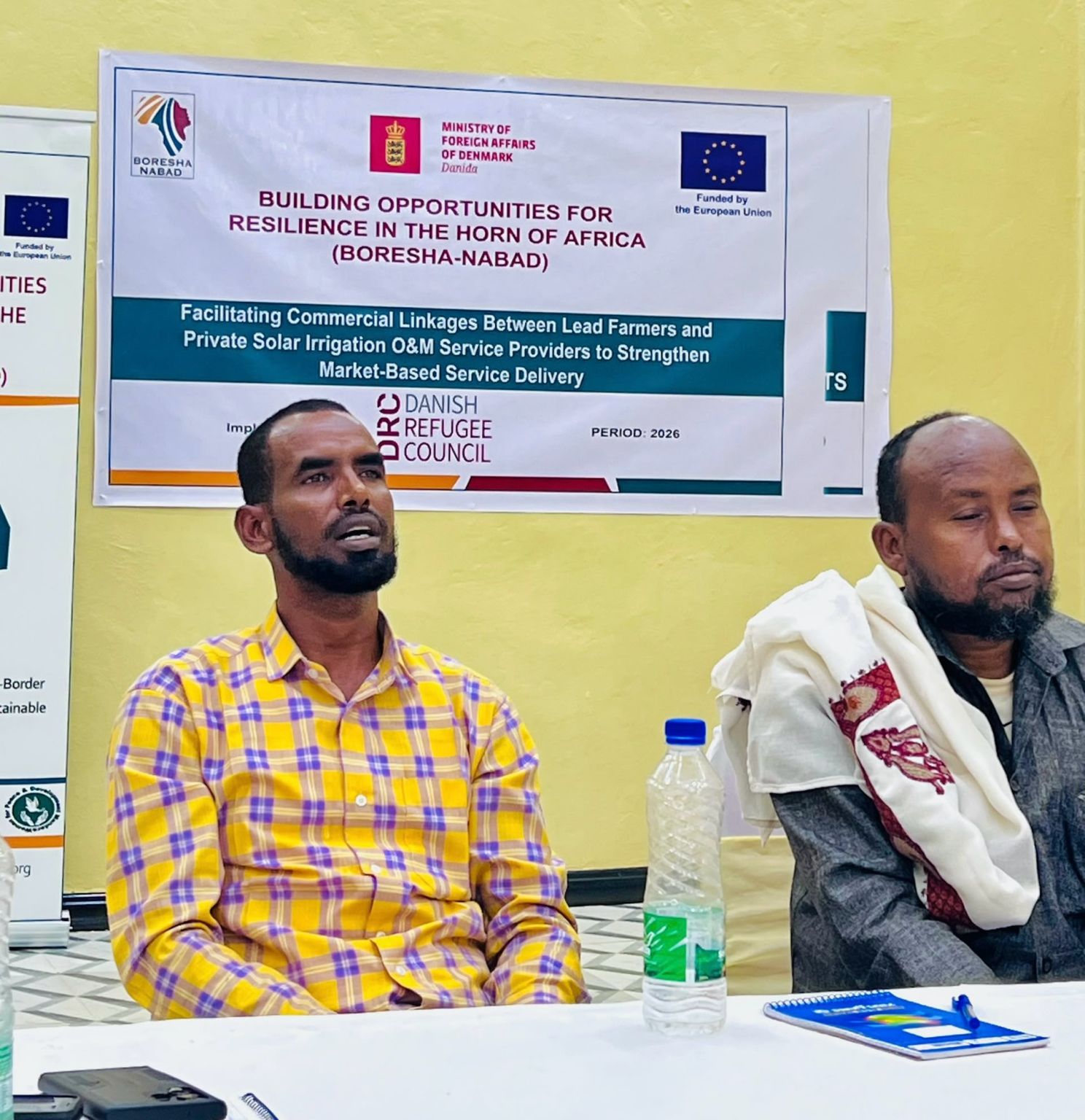
BORESHA-NABAD has linked farmer group leaders in Dollow and Beled-Hawa with private solar service providers to strengthen irrigation maintenance and technical support.
The business linkage meeting aimed to improve farmers’ access to spare parts and dependable maintenance services, helping irrigation systems remain productive beyond programme support.
Supported by the European Union and Danida, BORESHA-NABAD is fostering commercial relationships that benefit farmers and local solar businesses across the Mandera Triangle.
Farmer group leaders in Dollow and Beled-Hawa have been connected with private solar operations and maintenance providers in an effort to improve access to the technical services needed to keep irrigation systems productive.
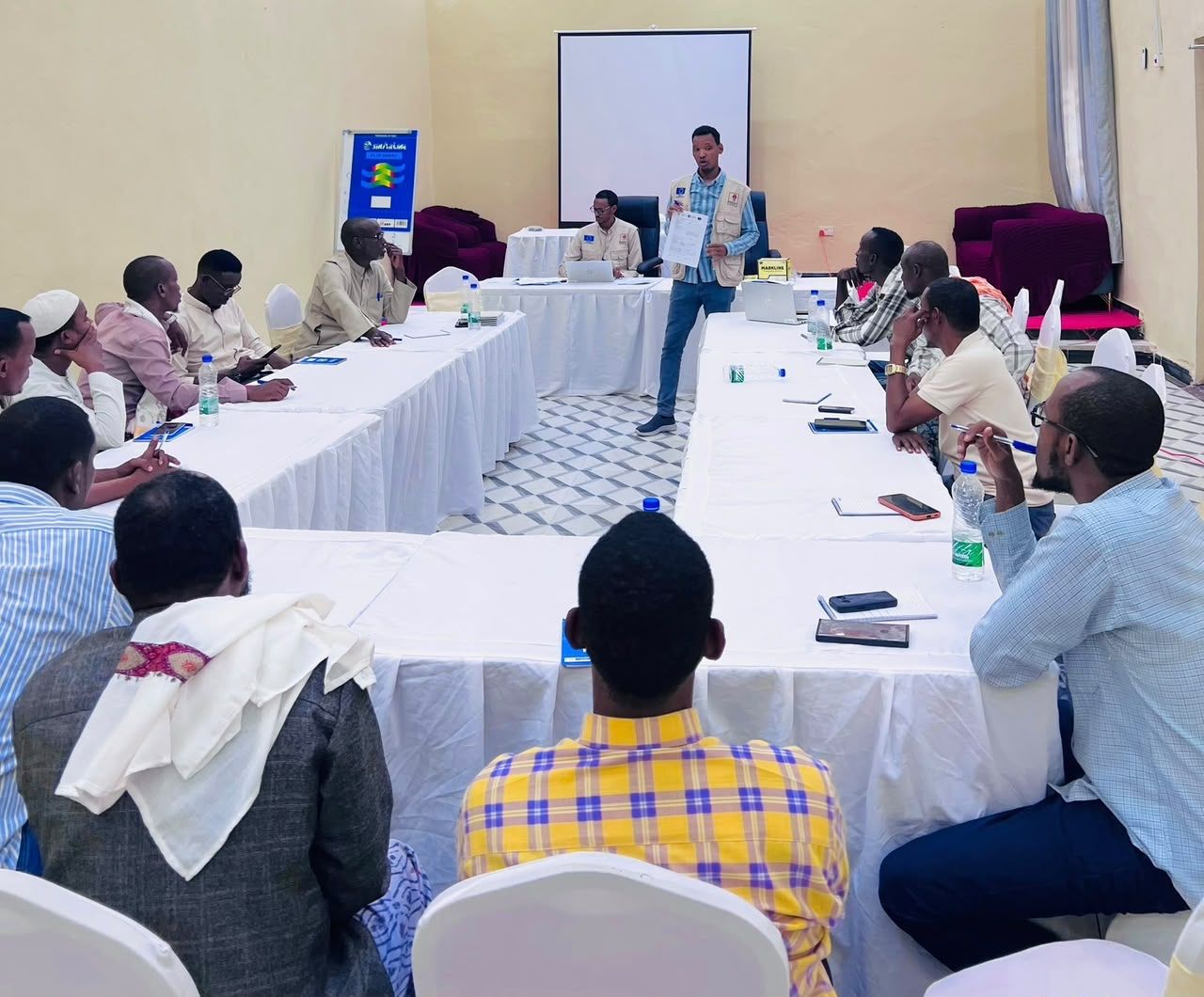
BORESHA-NABAD, through DRC Somalia, facilitated the Business-to-Business linkage meeting to strengthen relationships between farmers and local companies offering maintenance, technical support and spare parts.
The engagement is part of the programme’s efforts to ensure irrigation investments remain functional beyond the programme support period. It seeks to connect farmers’ ongoing service needs with businesses that have both the expertise and commercial incentive to meet them.
“Sustainability means having market relationships that keep irrigation systems productive beyond programme support,” BORESHA-NABAD said in its update on the engagement.
Under the intended commercial model, private providers deliver operations and maintenance services, while farmers pay for the support required to keep their irrigation systems functioning. BORESHA-NABAD’s role is to facilitate these connections and help establish relationships that can continue through normal farming and business activities.
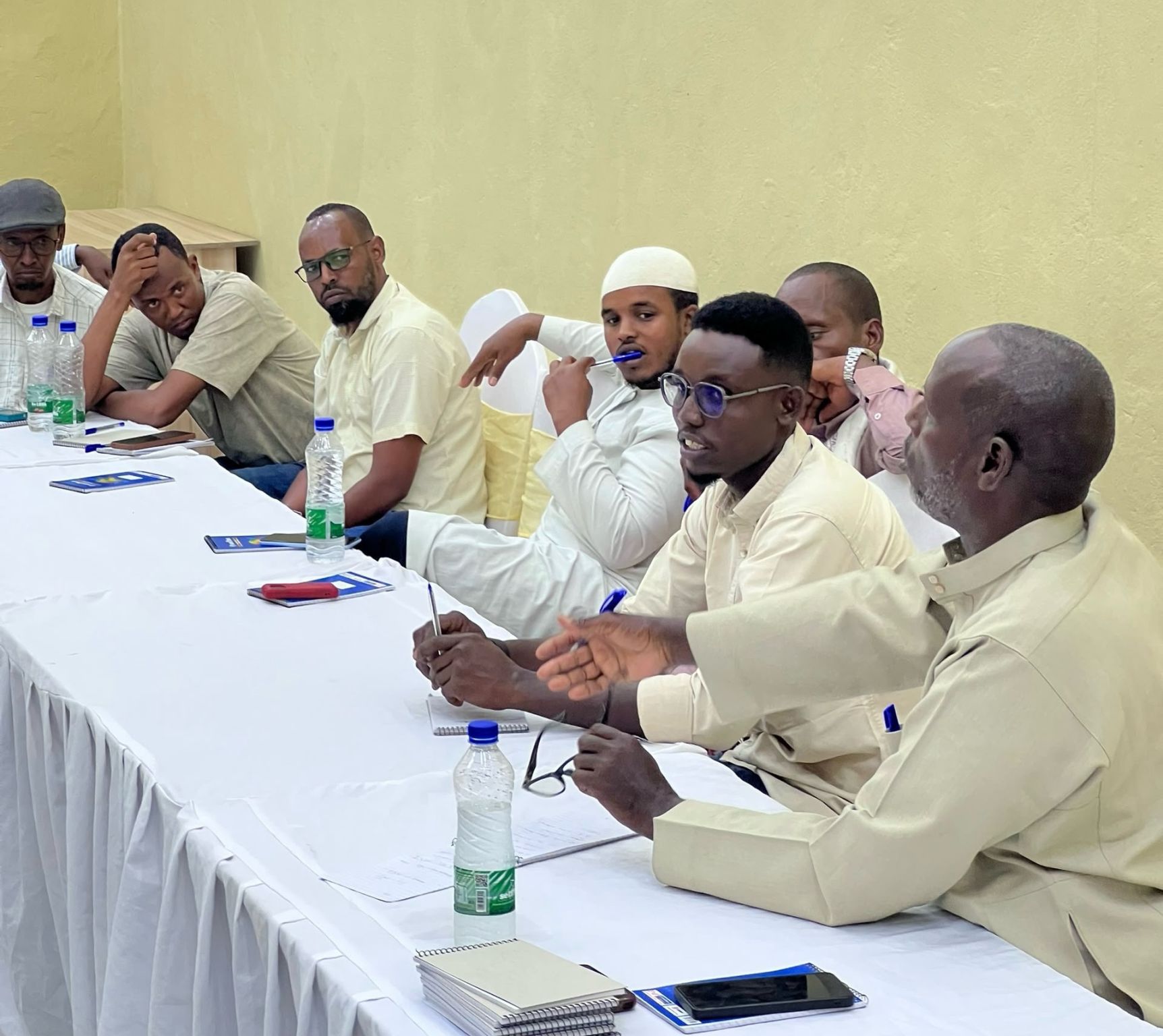
The approach addresses an ongoing requirement of irrigation investment: access to services after equipment has been installed. Farmers need dependable technical support, suitable spare parts and maintenance providers they can reach when their systems require attention.
For farming groups, reliable maintenance helps protect their investment and supports continued production. Establishing direct links with service providers is intended to make it easier to identify where to obtain assistance and discuss the support their irrigation systems need.
The arrangement also offers commercial opportunities for local solar companies. By engaging directly with farmer group leaders, providers can better understand irrigation service needs, expand their customer base and develop opportunities for repeat business.
According to BORESHA-NABAD, these mutual incentives underpin its Market Systems Development approach. Farmers have an interest in maintaining productive irrigation systems, while companies have an interest in delivering services that attract and retain paying customers.
The programme therefore seeks to strengthen a local service market in which maintenance continues because it meets the needs of both sides. Its intended role extends beyond bringing participants together to supporting relationships that can remain useful after external assistance ends.
The meeting was described as a step towards a stronger market where farmers can access affordable, dependable support and businesses can provide those services sustainably.
However, the programme’s update did not specify service prices, payment arrangements or whether the engagement resulted in formal agreements. It also did not state how many farmer groups or private providers participated.
The longer-term contribution of the linkages will depend on how the relationships develop into accessible and reliable services for farmers, alongside commercially viable work for providers.
By connecting irrigation investments with the businesses needed to maintain them, BORESHA-NABAD aims to strengthen the wider systems supporting climate-resilient livelihoods across the Mandera Triangle.
The European Union and Danida co-fund the programme.