
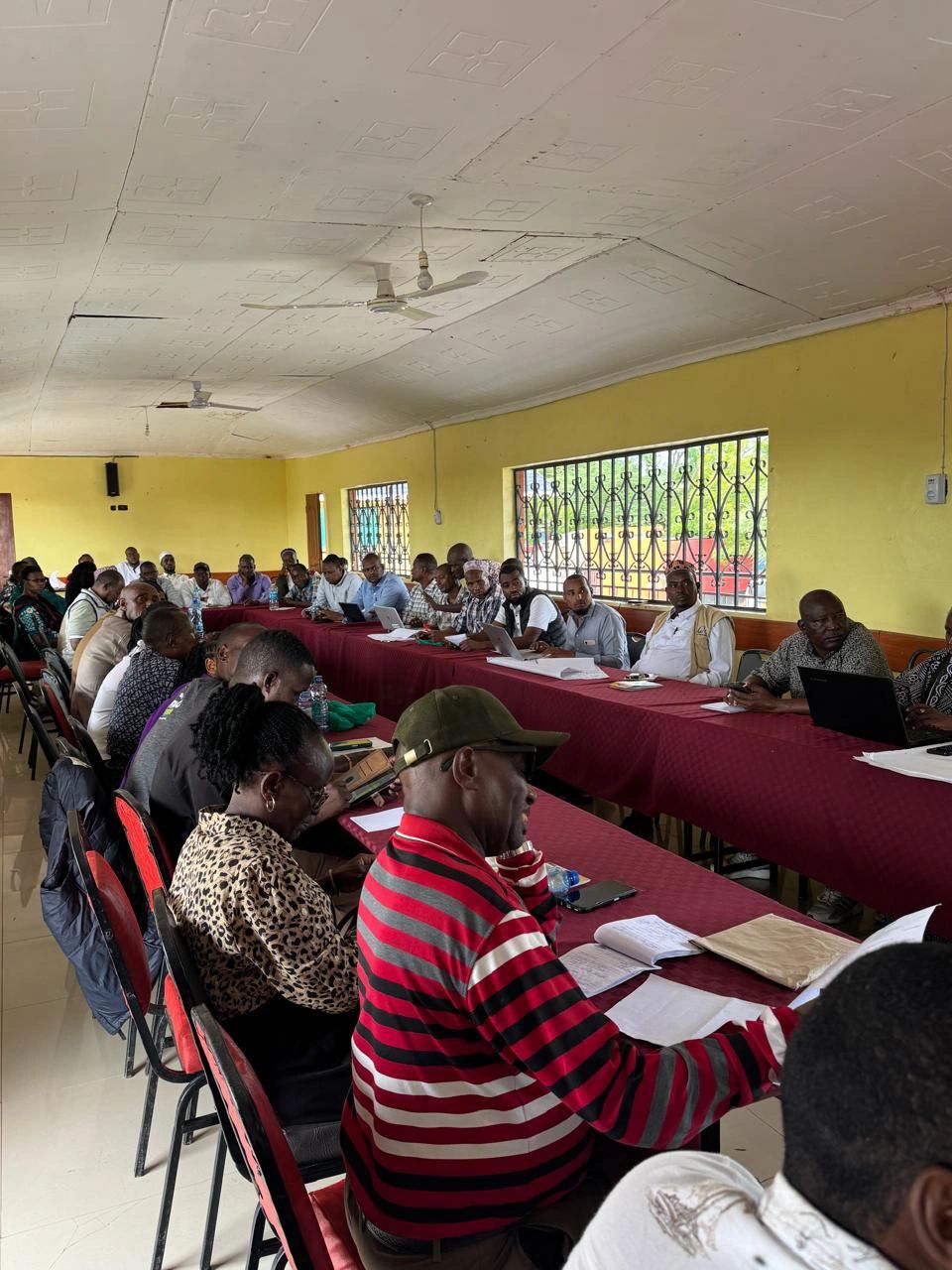
Local leaders from Northern Kenya have been equipped with critical skills in disaster risk management and climate change adaptation following a three-day capacity-building workshop organised by the Frontier Counties Development Council.
The training, conducted under the RANGE Programme and funded by the Embassy of the Kingdom of the Netherlands in Kenya, brought together 12 Ward Development Committees from Samburu County, Marsabit County, and Isiolo County.
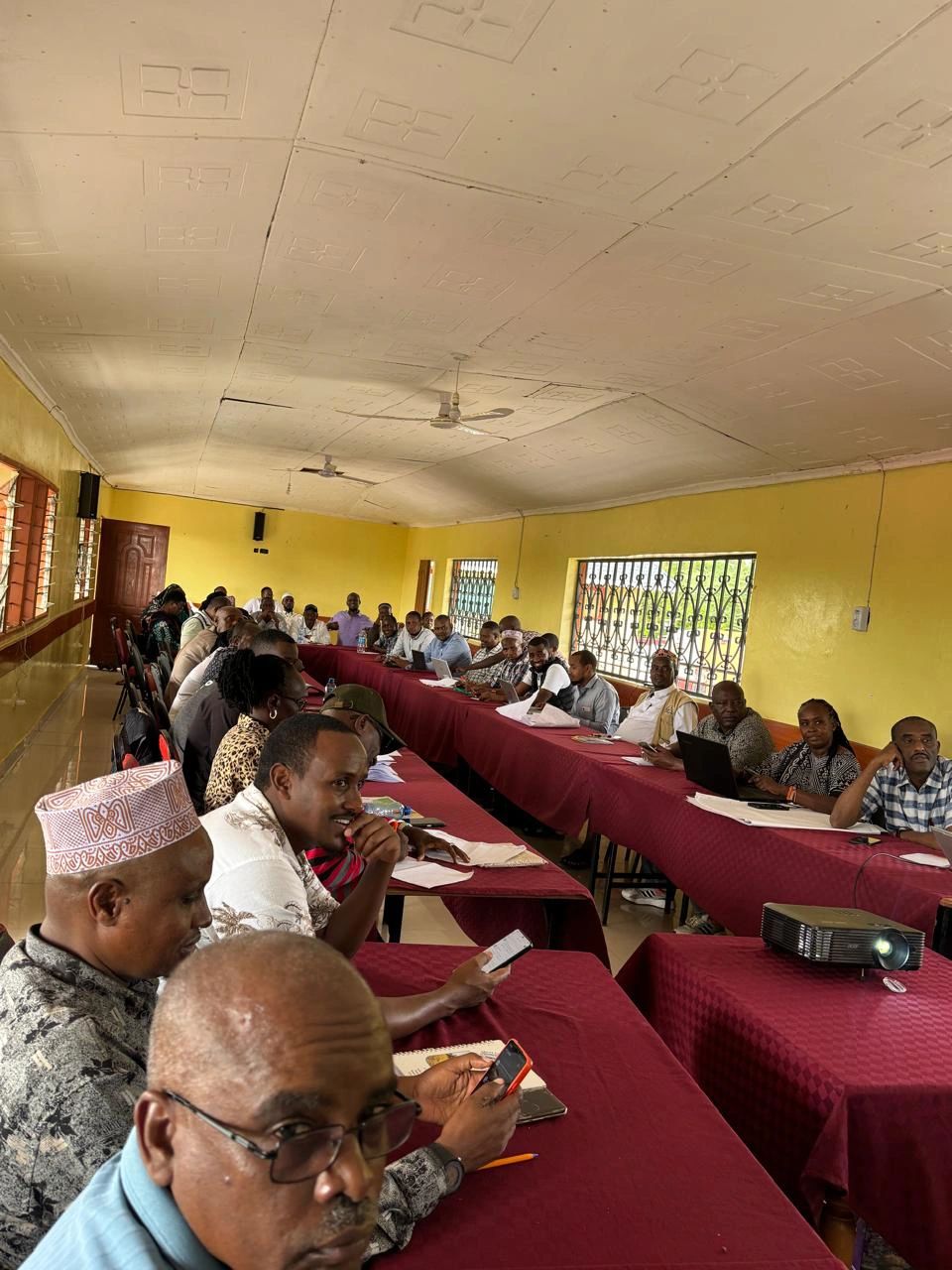
It was implemented in collaboration with consortium partners Mercy Corps Kenya and the University of Twente.
The workshop focused on strengthening the capacity of ward-level leaders to integrate Disaster Risk Management (DRM) and Climate Change Adaptation (CCA) into local development planning.
Participants were also trained on Participatory Monitoring, Evaluation, and Learning (PMEL), equipping them with tools to track progress and ensure accountability in community-driven projects.
A key highlight of the training was its emphasis on inclusive development.
Participants explored practical approaches to identifying and engaging at-risk and marginalised groups, ensuring that development planning processes reflect the needs of all community members.
Beyond technical sessions, the forum provided a platform for peer learning and collaboration.
Ward representatives shared experiences, lessons learned, and progress made in implementing community-prioritised development initiatives, fostering cross-county knowledge exchange.
Organisers noted that empowering Ward Development Committees is critical to building resilient communities, as these grassroots structures play a central role in planning and implementing development interventions.
Through the initiative, FCDC and its partners aim to strengthen locally driven solutions that enhance resilience and promote sustainable development across Northern Kenya.
The workshop marks a significant step toward ensuring that climate adaptation and disaster preparedness are embedded in decision-making at the community level.
Stakeholders emphasised that strengthening local leadership capacity is key to addressing the growing impacts of climate change, particularly in arid and semi-arid regions that are increasingly vulnerable to extreme weather events.
The training is expected to have a lasting impact as participants cascade the knowledge to their respective communities, helping to build stronger, more resilient systems from the ground up.