
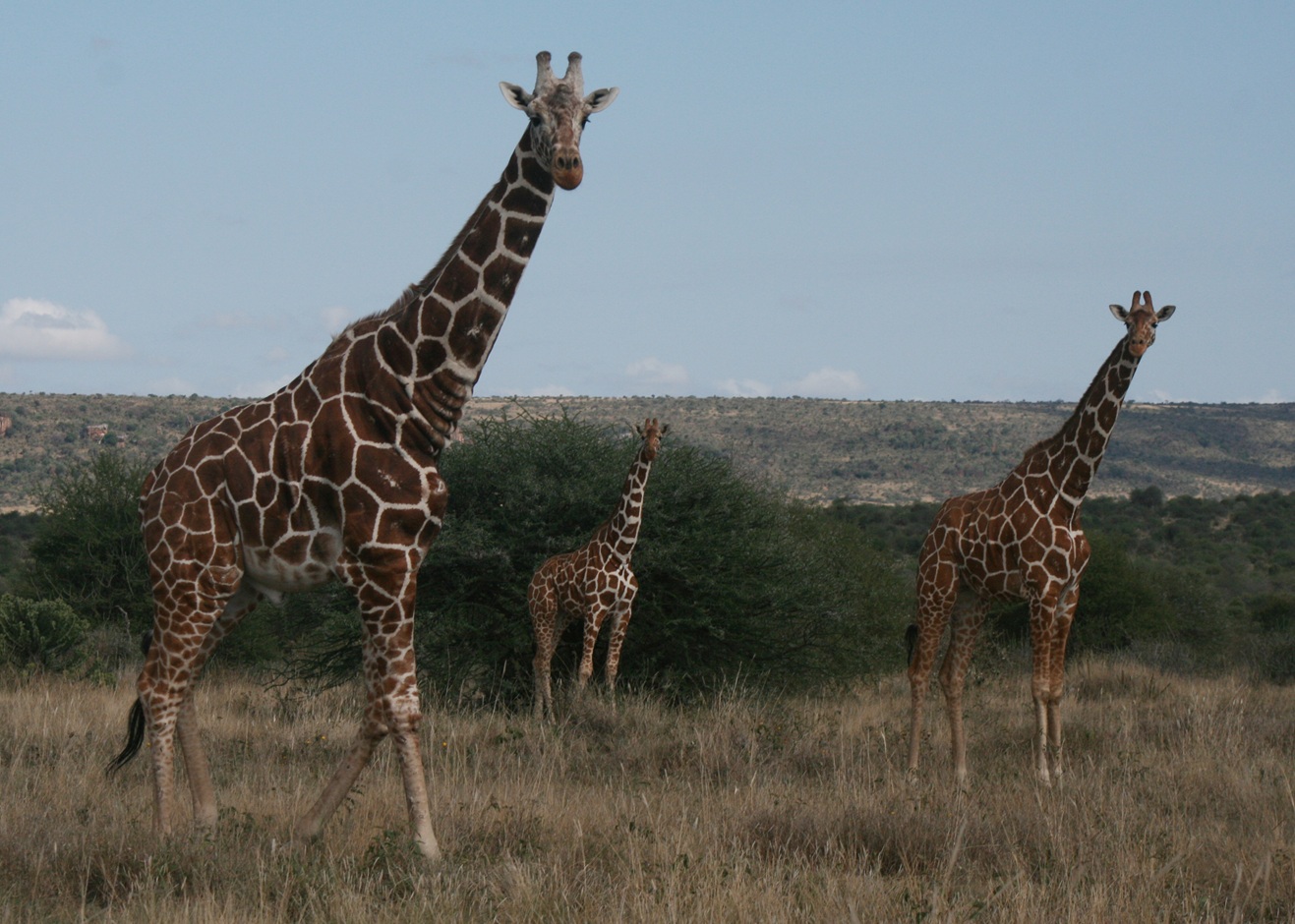
In the arid landscapes of northern Kenya, a remarkable group of animals known as the Samburu Special Five, the reticulated giraffe, Grévy’s zebra, beisa oryx, gerenuk, and Somali ostrich, are facing an existential threat as climate change tightens its grip on East Africa’s drylands.
These five species, celebrated by conservationists and safari operators alike, are specially adapted to the harsh, dry ecosystems of northern Kenya, southern Ethiopia, and Somalia.
However, increasingly erratic weather patterns, prolonged droughts, and intensified resource competition are endangering their survival.
“They have distinct features that allow them to thrive in extreme heat and scarce water conditions,” explains Samuel Mutahi, a senior program officer for wildlife crimes at the International Fund for Animal Welfare (IFAW).
“But climate change is pushing even these remarkable adaptations to their limits.”
Each member of the Special Five showcases evolutionary brilliance shaped by centuries of survival in some of Africa’s toughest environments.
The Grévy’s zebra, for example, uses its thin white stripes to reflect heat, allowing it to regulate body temperature and go for days without water.
The gerenuk, known for its long neck and slender build, feeds on leaves high above the reach of other herbivores.
The reticulated giraffe and beisa oryx also extract moisture directly from vegetation, reducing their dependency on water sources.
“These animals can survive for more than 10 days without drinking water,” says Mutahi.
“But when vegetation disappears due to drought, even the best-adapted species struggle.”
According to the Intergovernmental Panel on Climate Change (IPCC), the frequency of droughts in the Horn of Africa has doubled since 2005, now occurring every three years instead of six.
When rains do arrive, they are often torrential, leading to flash floods that strip away topsoil and prevent vegetation from regenerating.
“This pattern of extreme weather is devastating,” says Prof. Paul Lane, an archaeologist and climate researcher at the University of Cambridge.
“The land can no longer absorb heavy rains, so we end up with severe floods followed by long dry spells. The result is loss of habitat and food for both livestock and wildlife.”
As the droughts intensify, pastoralist herders are forced to move their animals into areas that were once wildlife sanctuaries.
This has sparked growing competition for grazing and water. “Most of the time, livestock win,” Mutahi notes.
“Wild animals are chased away so that herders’ animals can feed and drink.”
All five species are now listed as threatened by the IUCN Red List, with the reticulated giraffe, Grévy’s zebra, and beisa oryx classified as endangered.
Populations that once roamed freely are now largely confined to protected areas such as Samburu National Reserve, Buffalo Springs, and Shaba.
Traditionally, pastoralist communities coexisted peacefully with wildlife, creating a delicate ecological balance.
“There was a symbiotic relationship,” says Lane.
“Herders enriched the soil with livestock dung, which helped grasses grow and supported grazing wildlife. But climate stress has disrupted this balance.”
Beyond climate threats, insecurity and poaching have compounded the challenges.
In regions of Somalia and Ethiopia plagued by conflict, wildlife populations have suffered from illegal hunting, both for meat and for trade in hides.
In response, Kenya recently passed the Wildlife Conservation and Management Bill, which introduces tougher penalties for poaching, up to 10 years in prison or fines of KSh 5 million (about USD 39,000).
The law also establishes a Wildlife Conservation Trust Fund to support anti-poaching initiatives and sustainable management programs.
For conservationists, safeguarding the Samburu Special Five is not just about saving individual species; it’s about protecting a fragile ecosystem that has sustained both people and wildlife for millennia.
“These animals are symbols of endurance and adaptation,” Mutahi says.
“If we lose them, we lose a part of Kenya’s natural heritage, and a powerful story of survival in the face of adversity.”
As climate change continues to reshape East Africa’s drylands, the fate of the Samburu Special Five hangs in the balance.