
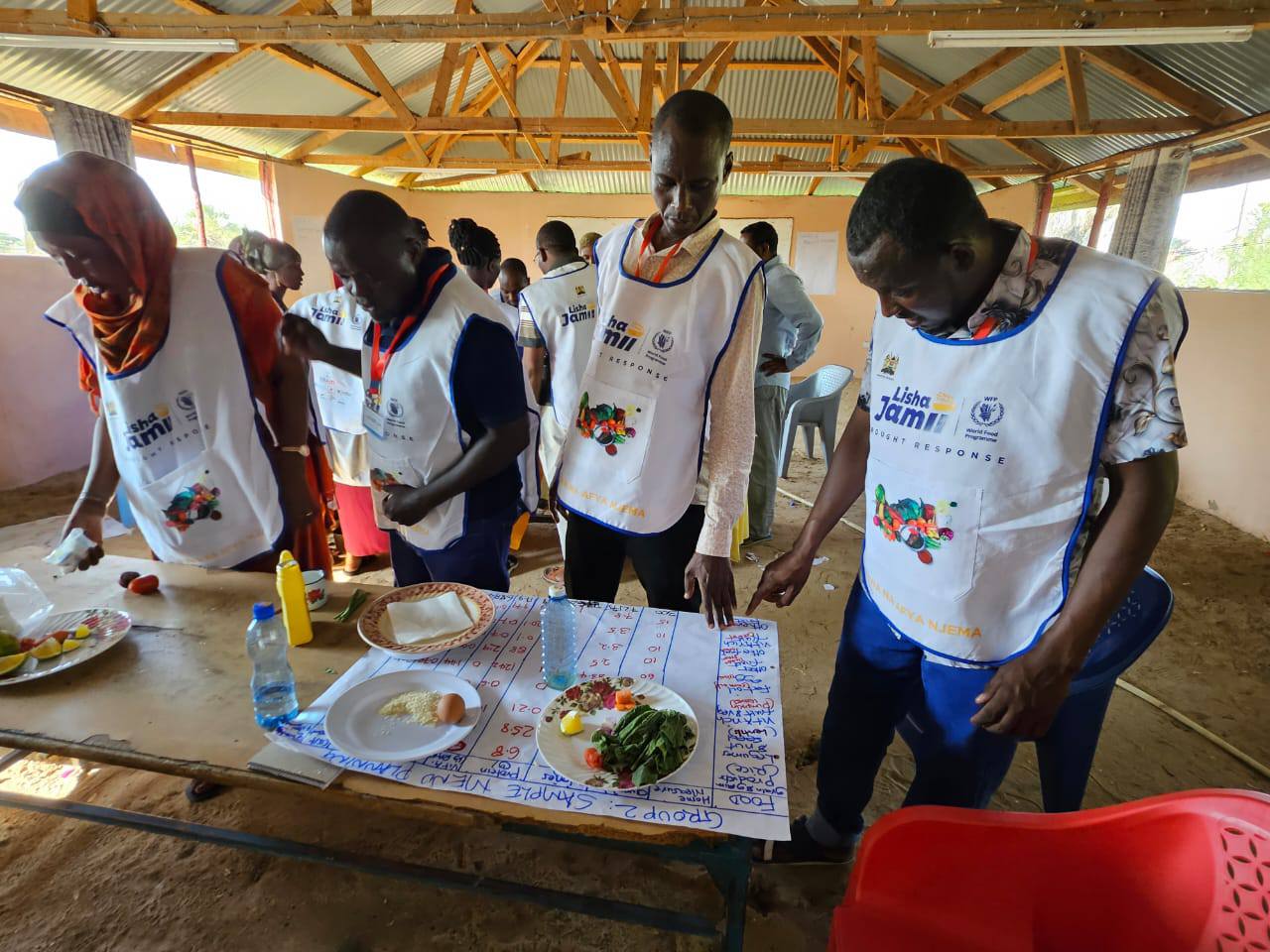
In the vast, sun-scorched plains of northern Marsabit, a quiet yet powerful revolution is transforming lives.
It is not unfolding in government offices or research centres, but in the humble kitchens of mothers, armed with local wisdom, determination, and a few handfuls of locally available foods.
Through the Positive Deviance/Hearth (PD Hearth) initiative, women in remote villages are leading a movement to end child malnutrition, one meal, one child, and one household at a time.
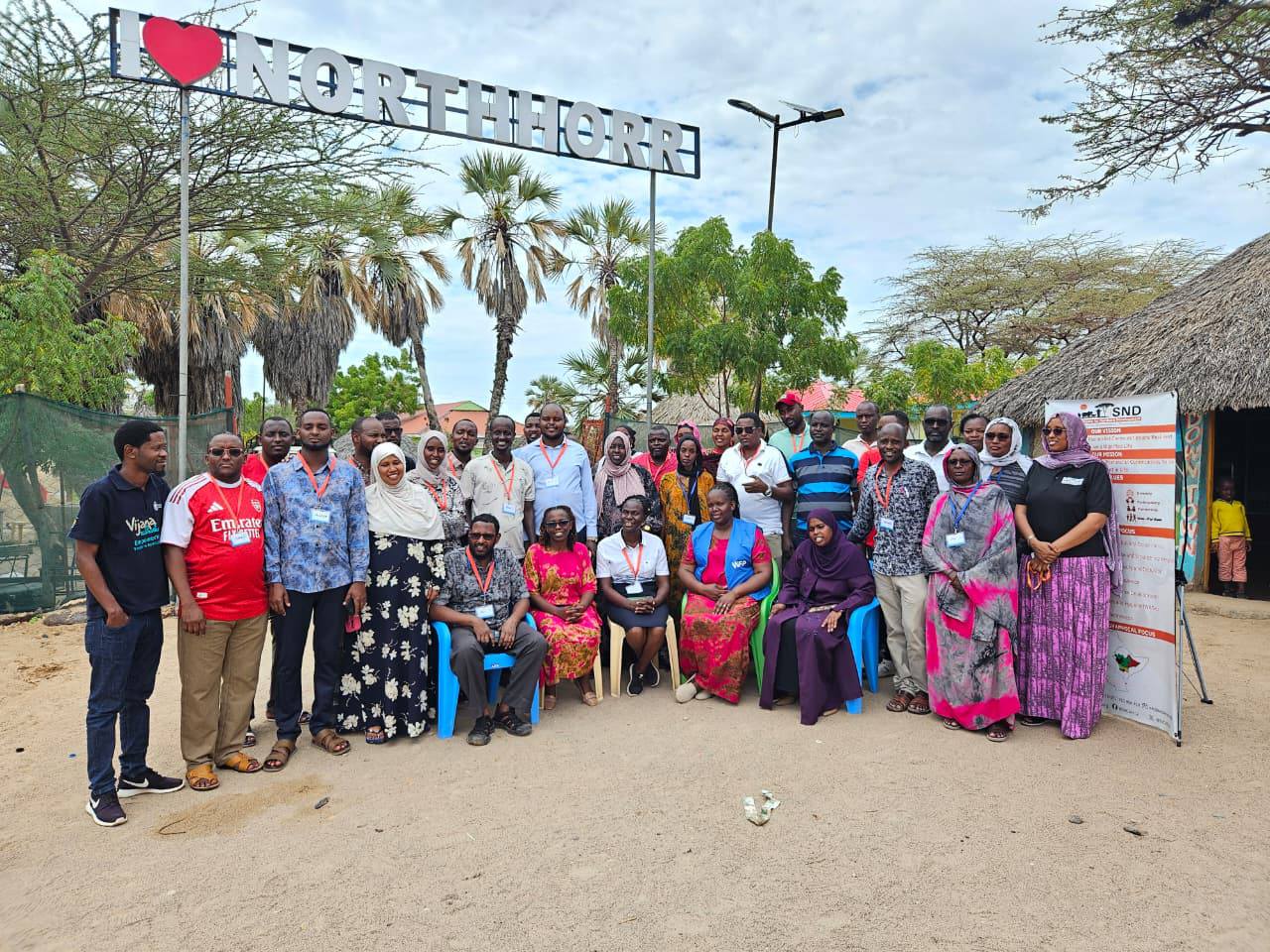
The community-led nutrition approach is being implemented through a partnership between the World Food Programme (WFP), Strategies for Northern Development (SND), and the County Government of Marsabit.
“We realized that the solutions to malnutrition were already here in our own homes,” said Halima, a mother of four from Maikona Ward, as she stirred a pot of porridge enriched with ground nuts and pumpkin.
“We just needed to see and believe in what works for us.”
In villages like Maikona, Kalacha, El Gade, and Illeret, local health facilities have been transformed into centres of learning and empowerment.
Over 34 frontline health workers and more than 100 Community Health Promoters (CHPs) have been trained to support mothers in identifying and preparing nutrient-rich meals using locally available foods.
The initiative targets over 1,800 malnourished children, helping them recover through “Hearth sessions”, small group gatherings where caregivers learn and practice cooking nutritious meals.
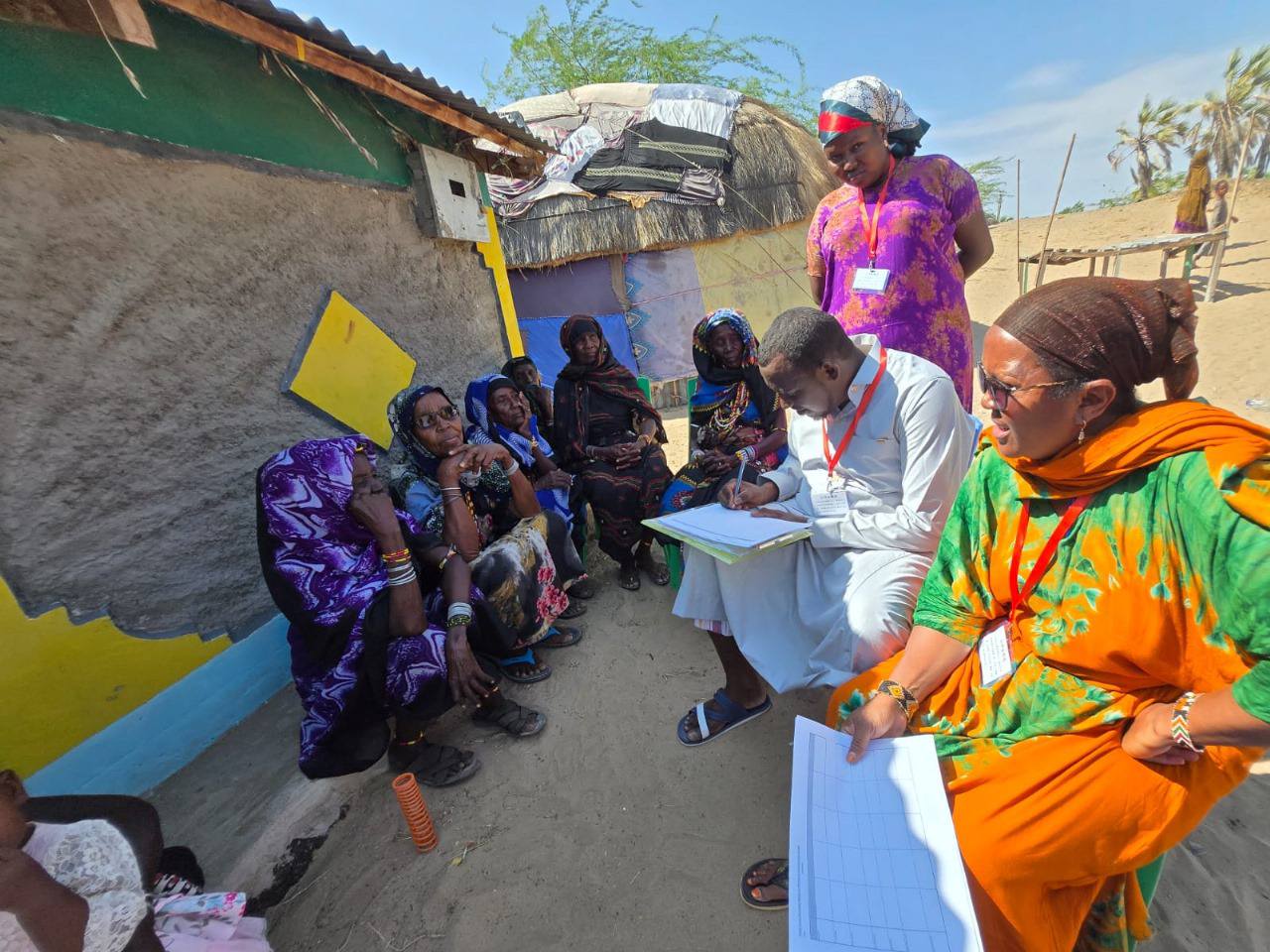
Community Health Assistants and Promoters conduct household visits to monitor child growth and provide encouragement, while County and Sub-County Health Management Teams ensure effective coordination and sustainability.
At the heart of this transformation are Agri-nutrition demonstration gardens now sprouting outside health facilities from Maikona to Telesgaye.
These gardens are teaching mothers how to cultivate green leafy vegetables, orange-fleshed sweet potatoes, and high-iron beans.
These crops combat vitamin A deficiency and anaemia while building food security in harsh dryland conditions.
“When you see a mother harvesting spinach outside a health facility in Maikona, you see more than a crop; you see empowerment,” said a County Nutrition Officer.
“That’s what PD Hearth is about: local solutions creating lasting change.”
The programme’s strength lies in its multi-sectoral collaboration, uniting the departments of Health, Agriculture, and Livestock.
Together, they ensure that nutrition education, food production, and water access work hand-in-hand to build resilience and protect children’s health.
What truly sets PD Hearth apart is its deep community ownership.
Instead of imposing external solutions, the approach identifies “positive deviants”, families who, despite poverty, manage to keep their children healthy, and uses their practices as models for others.