
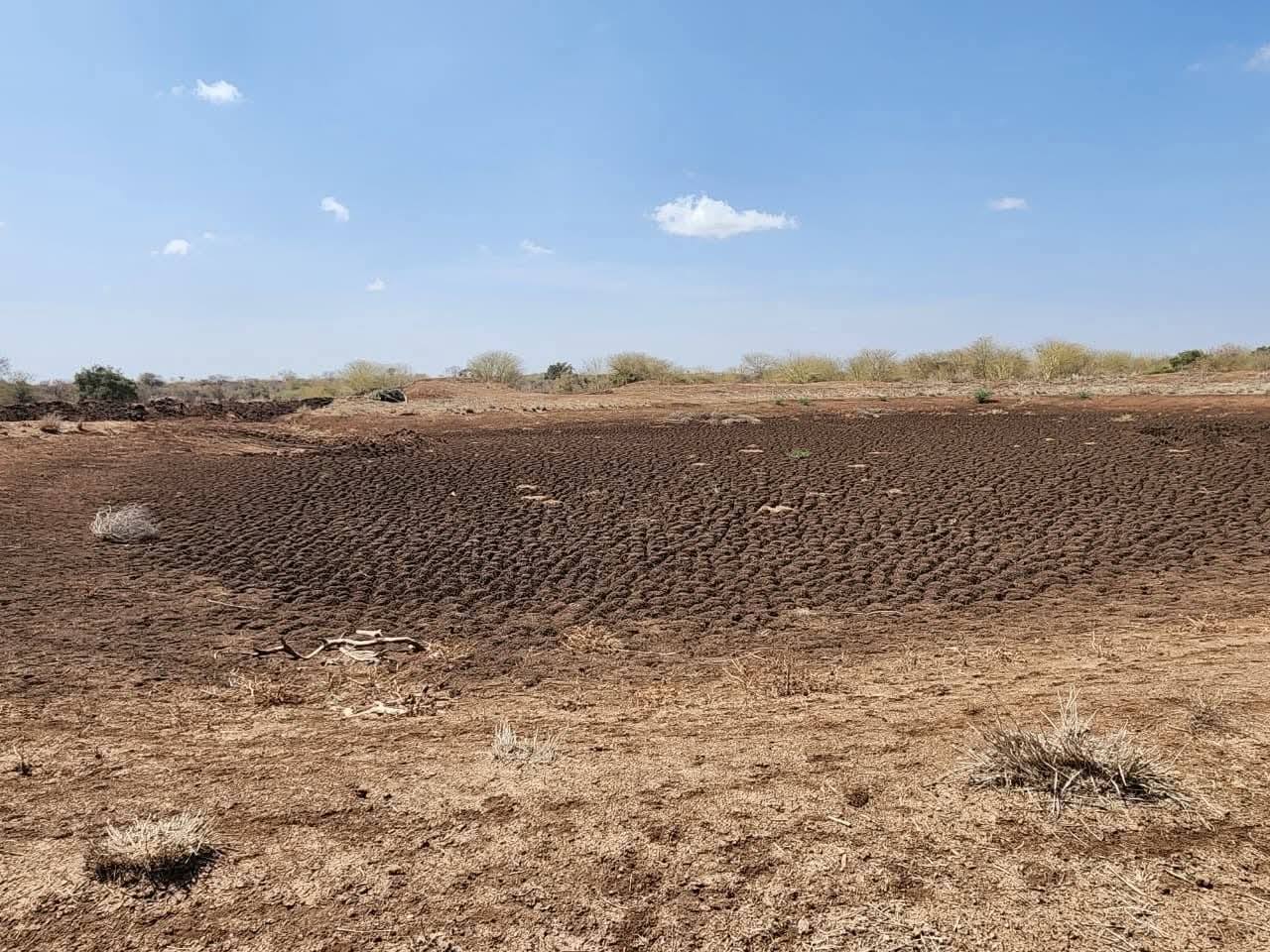
County governments across Kenya have stepped up efforts to protect vulnerable communities from the effects of prolonged drought, with a renewed focus on strengthening resilience and safeguarding livelihoods in arid and semi-arid regions.
This emerged during a Senate engagement where Nathif Jama appeared before the Senate Committee on National Security, Defence and Foreign Relations to present the position of counties on drought preparedness and response.

Speaking in his capacity as Chair of the ASAL and Disaster Risk Management Committee of the Council of Governors, Jama outlined a series of interventions being implemented at the county level.
“Counties continue to take the lead in protecting communities from the impact of drought. Timely resources will allow us to strengthen response efforts and support vulnerable households,” he told the committee.
According to the governor, counties have intensified a wide range of measures aimed at cushioning affected populations.
These include scaling up health and nutrition programmes, expanding access to water, and promoting climate-smart agriculture to sustain food production despite harsh conditions.
In addition, county governments are strengthening early warning systems to improve preparedness and enable timely responses to emerging drought risks.
Livestock protection measures, a critical intervention in pastoral regions, are also being enhanced to prevent losses and support livelihoods.
Social protection programmes have also been expanded to support households most affected by food insecurity and economic hardship, particularly in arid and semi-arid lands (ASALs).
Jama emphasised that while counties remain on the frontline of disaster response, their efforts are constrained by delays in funding.
He called on the National Treasury to expedite the disbursement of equitable share allocations and conditional grants to enable faster and more effective interventions.
The governor also urged Parliament to fast-track the enactment of the National Disaster Risk Management Bill and support the establishment of a dedicated Disaster Risk Management Fund.
He noted that such measures would strengthen the country’s institutional capacity to prepare for and respond to disasters more effectively.
The Senate committee engagement highlighted the critical role of county governments in managing drought impacts, particularly as climate variability continues to increase the frequency and severity of extreme weather events.
As the drought persists in several parts of the country, stakeholders are calling for stronger coordination between national and county governments, as well as sustained investment in resilience-building initiatives to protect communities and secure livelihoods in the long term.