
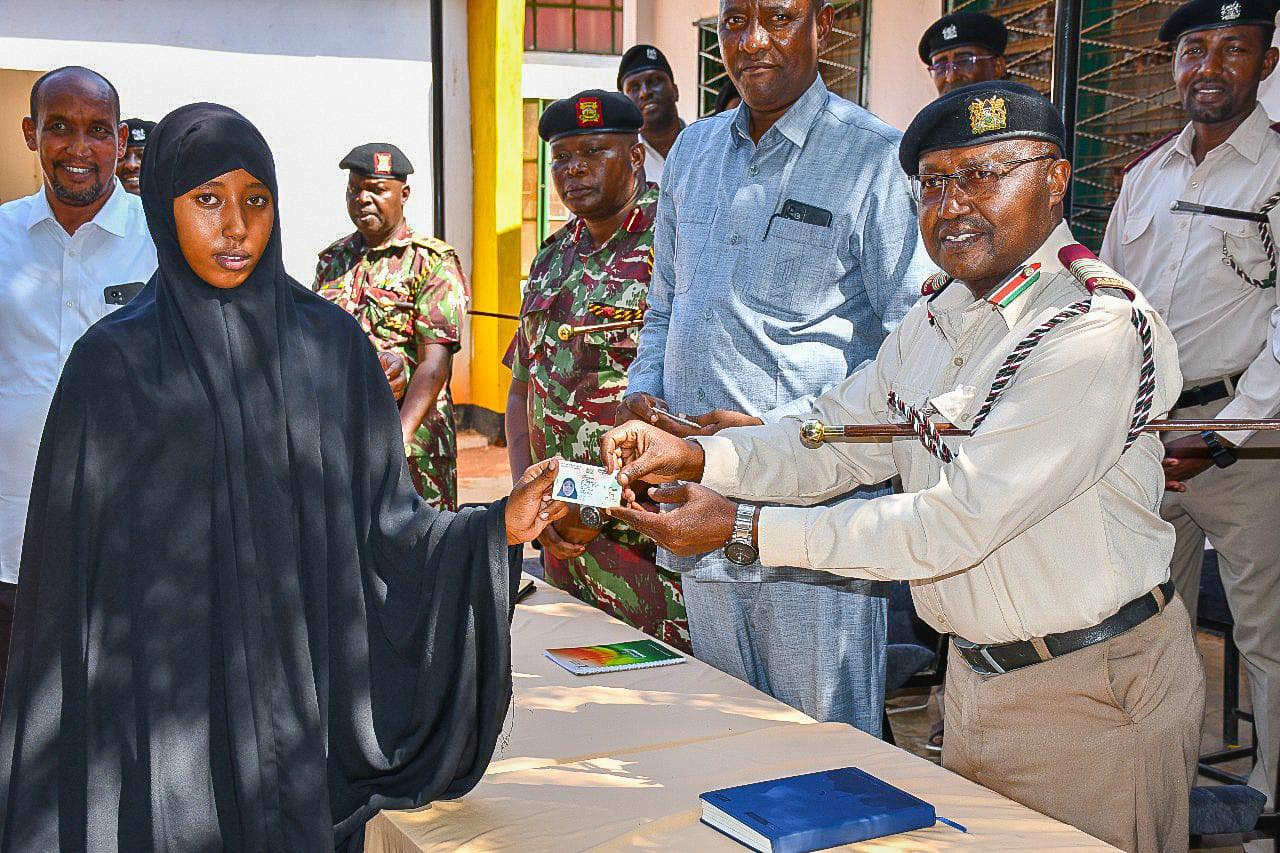
A governance advocate from northern Kenya has commended President William Ruto’s administration for addressing one of the longest-standing injustices in the region, the systemic denial of national identification cards to thousands of genuine citizens.
For decades, communities across northern Kenya have suffered deep-rooted marginalisation, with many elders living without national IDs due to historical injustices dating back to the early years of independence.
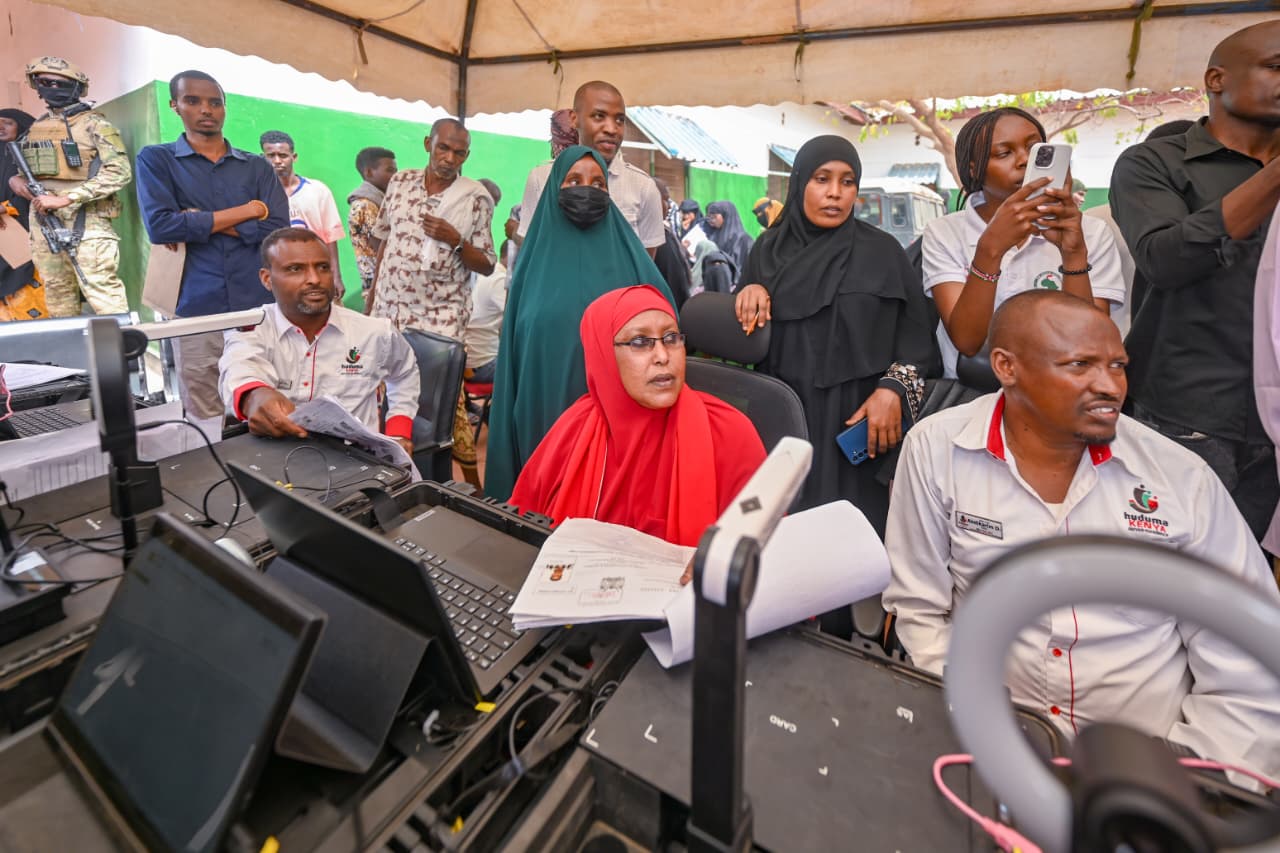
The advocate described the current ID issuance drive as “not a favour, but a correction of delayed justice.”
“Kenya government critics have been spinning narratives that foreigners are being issued with Kenyan IDs and insinuating some form of irregularity and threat to our security,” the advocate said.
“Before you jump to such conclusions, it is only fair to understand the historical wounds that still bleed beneath the surface of this region’s quietly resilient people.”
According to the advocate identified as Kabelo on X, the roots of the crisis lie in the state-led atrocities of the 1960s through the 1980s, when northern Kenya was “a land under siege not by foreign forces, but by its own government.”
“The atrocities of Daaba in Isiolo, Wajir’s Wagala, Malka Mari in Mandera and Garissa’s Gubey are not just wounds on the families. They are the chronicles of some of the darkest chapters in Kenya’s post-independence history,” he noted.
“During these years, massacres, mass rapes and widespread human rights abuses were inflicted upon innocent pastoralist communities.”
In the aftermath of these brutal campaigns, thousands of residents had their identification cards confiscated, effectively erasing their recognition as citizens.
“That small piece of plastic represented more than just identity; it was a citizen’s gateway to belonging,” he said.
“Without it, many elders retreated into silence and isolation, herding their animals in the wilderness and avoiding government offices out of deep-seated trauma and distrust.”
The advocate further highlighted that successive regimes entrenched discrimination through harsh vetting procedures that targeted residents of the north.
“The vetting process became a symbol of discrimination, intimidation and deliberate profiling. The message was clear: you are a Kenyan, but not quite enough,” he explained.
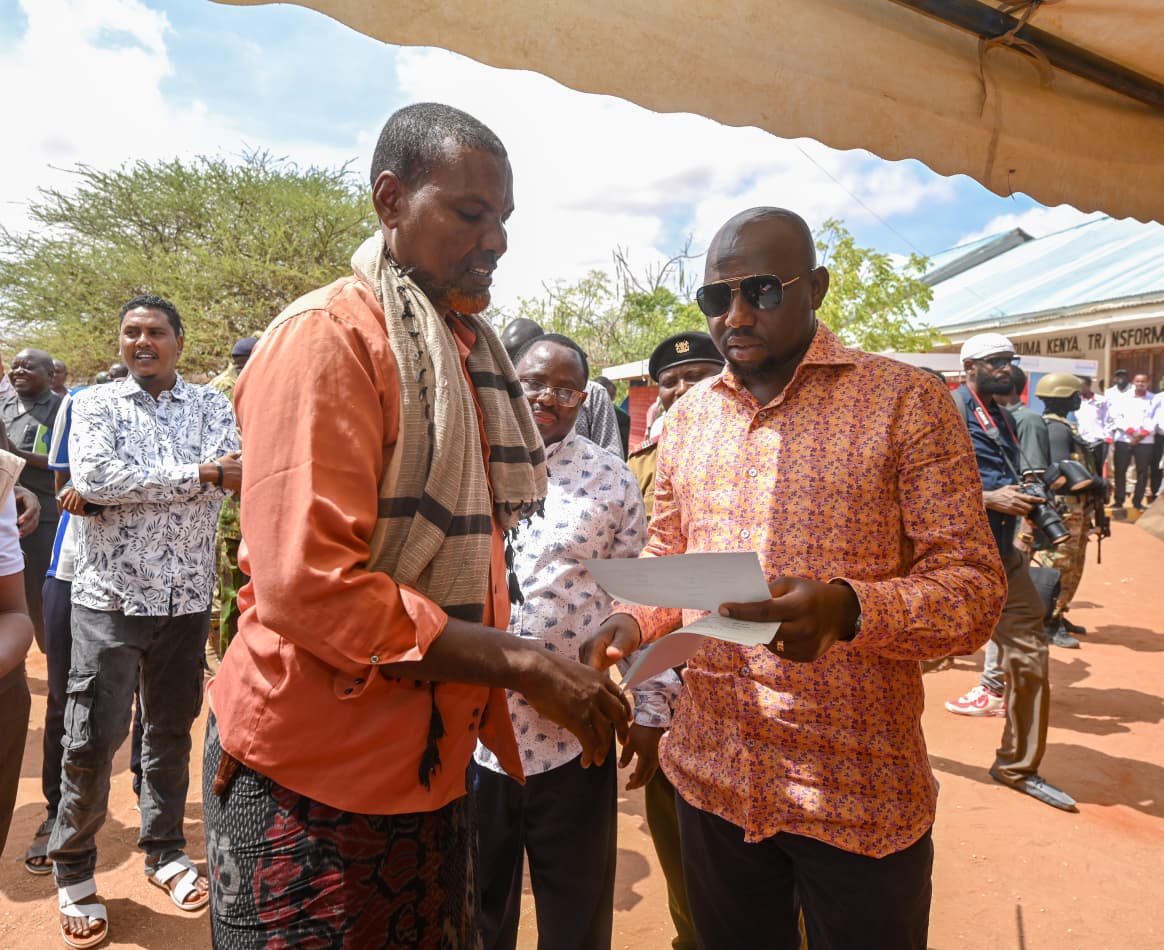
He credited the Ruto administration for taking bold steps to simplify the ID acquisition process, enabling many elders to come forward after years of fear and stigma.
“It took the current administration’s effort to ease these draconian measures for many elders to finally come forward with renewed courage,” he said.
“To weaponise this process politically or to label it as ‘foreign infiltration’ is not only misleading but grossly insensitive to the painful history of a people who have endured systemic exclusion for decades.”
As the Independent Electoral and Boundaries Commission (IEBC) begins its voter registration drive, some have questioned the low turnout in the north.
However, the advocate urged patience, citing cultural and political factors that influence registration patterns.
“Kenyans are notorious last-minute participants in national exercises, and northerners are no exception,” he said.
“But beyond that, voter registration in pastoralist communities is deeply political. People must first decide where their collective interest lies before they register to vote.”
He added that once communities reach consensus on their preferred candidates or political alignments, registration numbers would rise significantly.
In conclusion, the advocate called for empathy and understanding rather than suspicion toward the people of northern Kenya.
“The north is not apathetic; it is deliberate. It is not foreign; it is Kenyan. Its people are emerging from decades of fear and exclusion into a renewed sense of belonging,” he emphasised.
Observers say the ongoing reforms could mark a turning point in the relationship between the state and northern communities.