
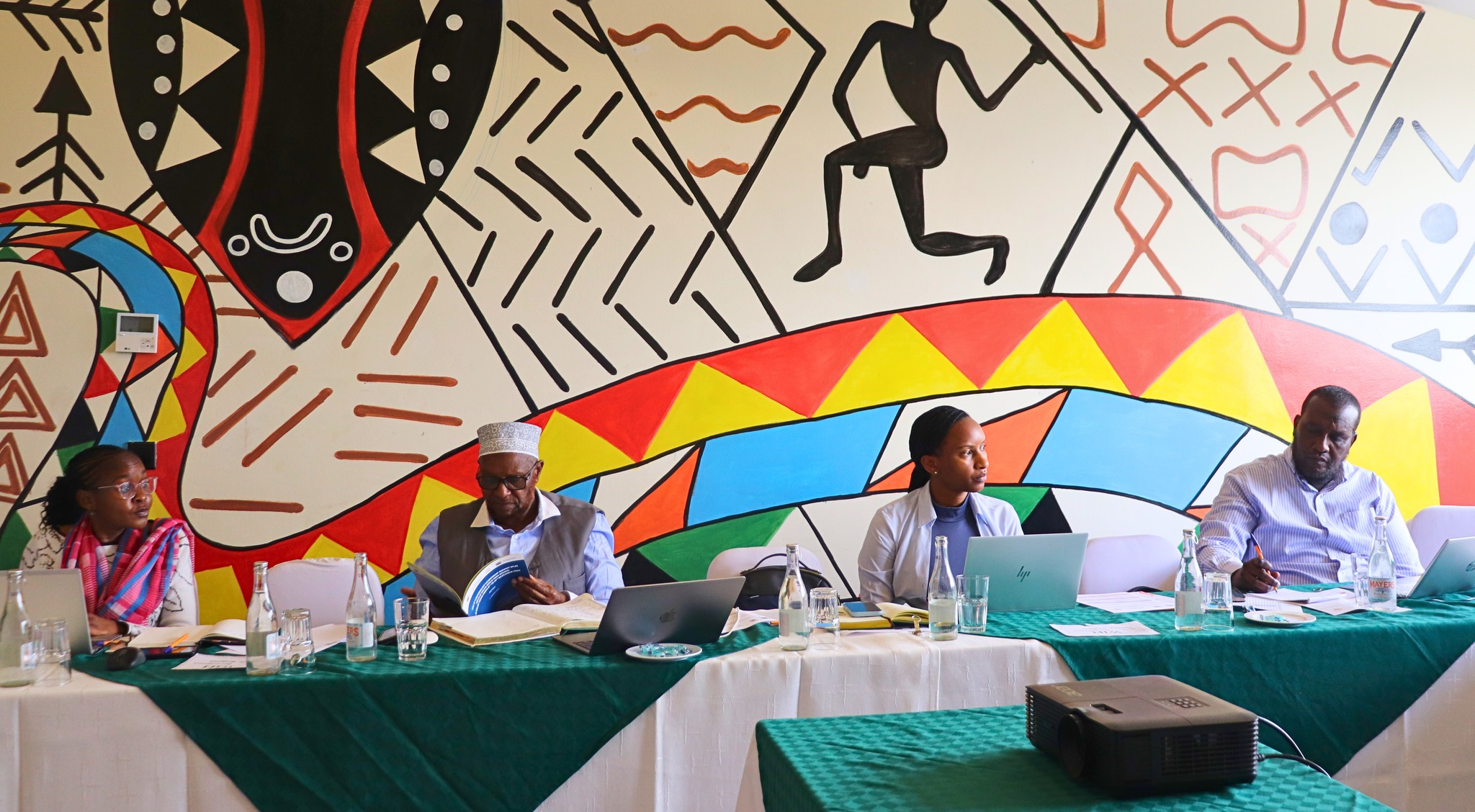
The Drylands Learning and Capacity Building Initiative (DLCI), in partnership with the State Department for ASALs and Regional Development (SDARD) and the Frontier Counties Development Council (FCDC), convened the Human Capital and Basic Services Sector Working Group meeting to review progress and accelerate the implementation of key resolutions from the 4th Pastoralist Leadership Summit (PLS).
Opening the forum, Eng. Alex Mwangi from SDARD underscored the importance of tracking milestones in the implementation of PLS resolutions, noting that measurable progress is vital to improving service delivery in Kenya’s arid and semi-arid lands (ASALs).
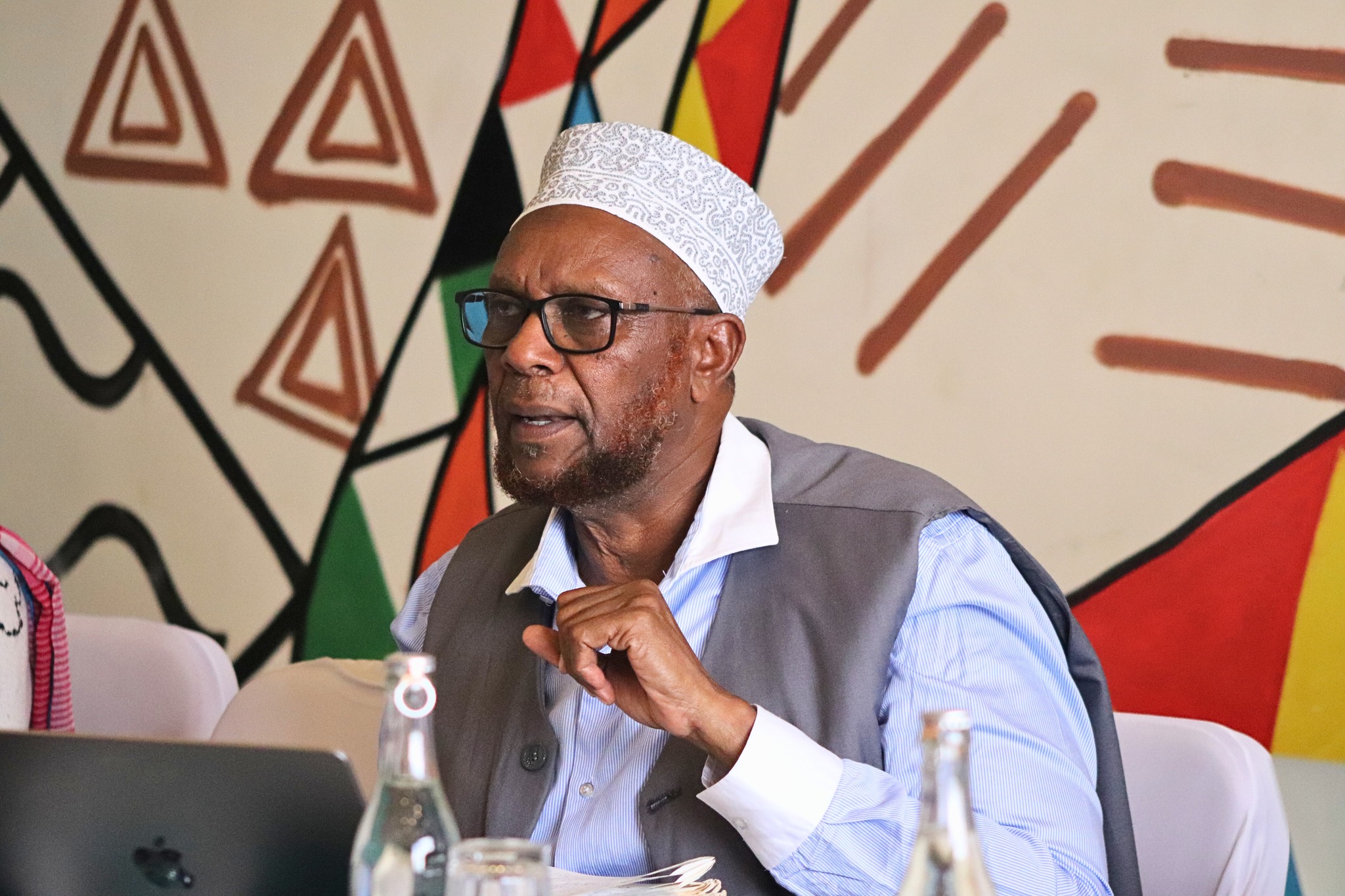
Dr. Jarso Mokku, CEO of DLCI, and Prof. Idle Omar Farah, CEO of FCDC, both emphasised the need for enhanced intersectoral collaboration to translate summit resolutions into tangible, community-level impact.
They noted that bridging gaps across sectors such as health, education, and water remains central to achieving equitable development in dryland counties.
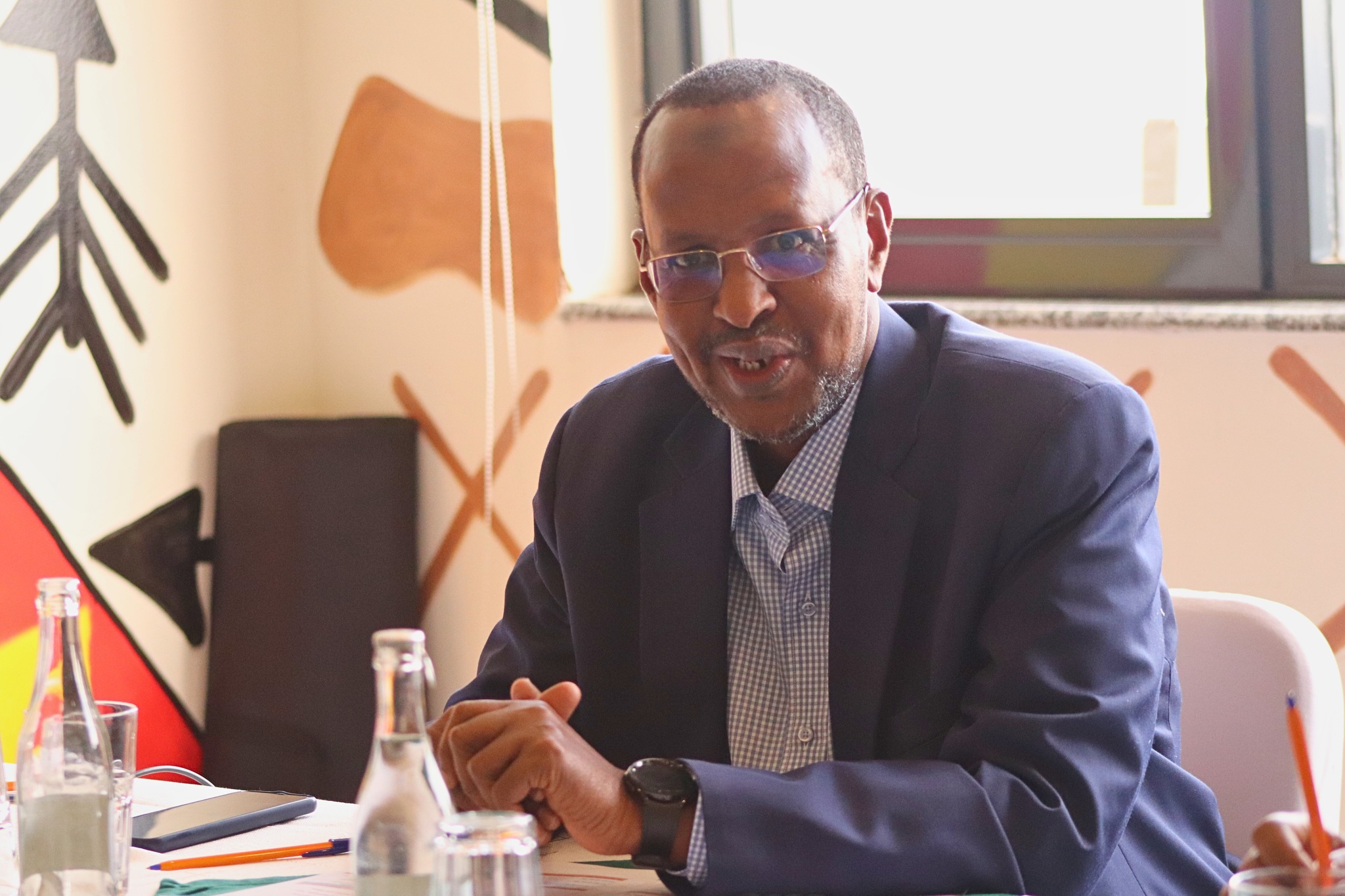
Davis Ndambo of NACONEC presented an overview of the sector’s milestones and activities, highlighting successes in some areas but also identifying critical gaps where urgent focus is required.
Leading a candid discussion, Prof. Dr. Guyo Jaldesa, Member of Parliament for Moyale and thematic lead, issued a strong call for accountability and renewed commitment to action.
He cautioned that while policies and resolutions exist, the pace of implementation remains slow, leaving pastoralist regions lagging in essential services.
He cited persistent inequalities, including high maternal mortality rates in Garissa, inadequate access to clean water in schools, and limited benefits from the Equalisation Fund meant to support marginalised areas.
In her closing remarks, Lilian Lenaiyasa from DLCI outlined the next steps, calling for the inclusion of missing partners in the health and education sectors.
She stressed the need to strengthen accountability frameworks and ensure that no community is left behind in the journey toward equitable human capital development in ASALs.
The meeting reaffirmed the partners’ shared commitment to transforming pastoralist livelihoods through coordinated action, evidence-based policy, and inclusive collaboration.