
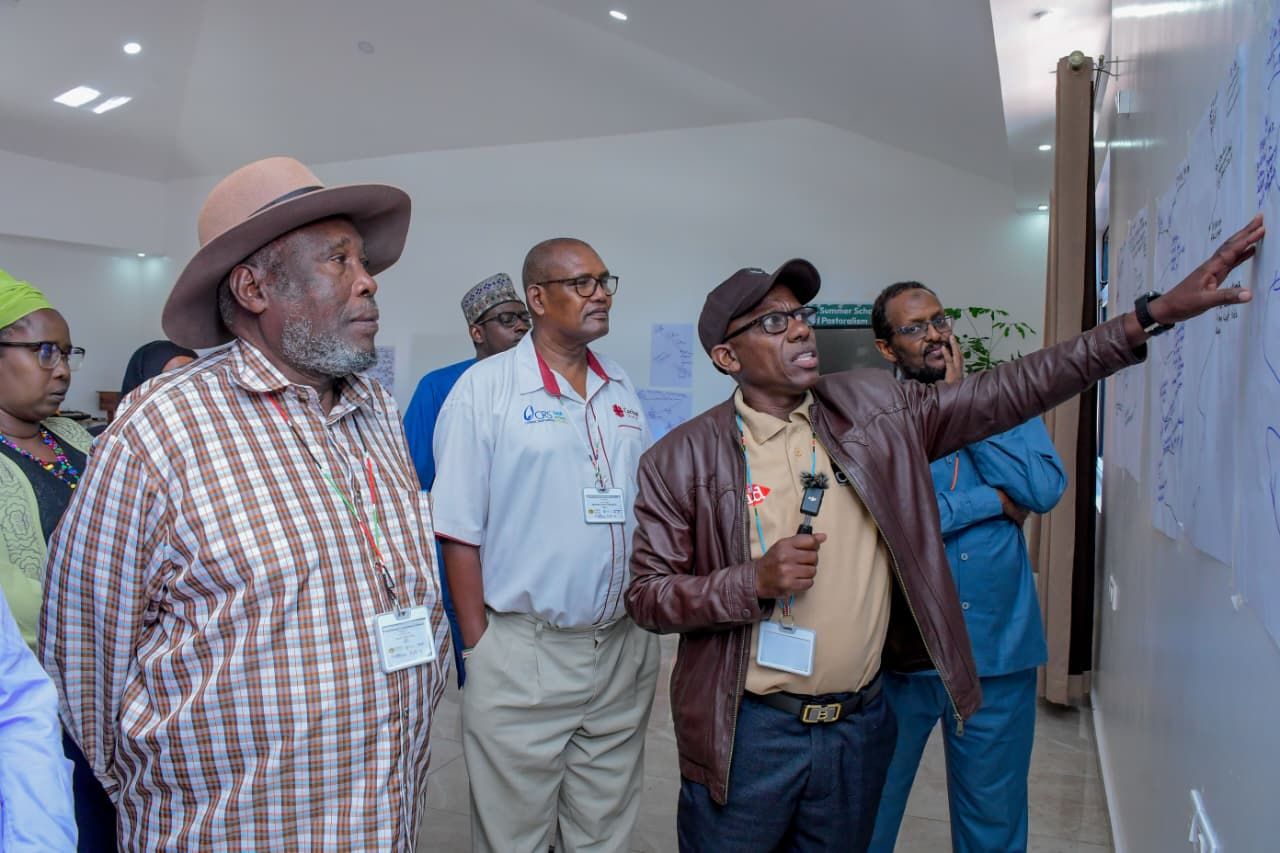
The Drylands Learning and Capacity Building Initiative (DLCI) is among key stakeholders participating in the 2026 Practitioners’ Summer School on Drylands and Pastoralism, currently underway in Isiolo County.
The five-day convening, running from April 12 to 16, has brought together practitioners, government representatives, researchers, civil society actors, and development partners from across Kenya and beyond.
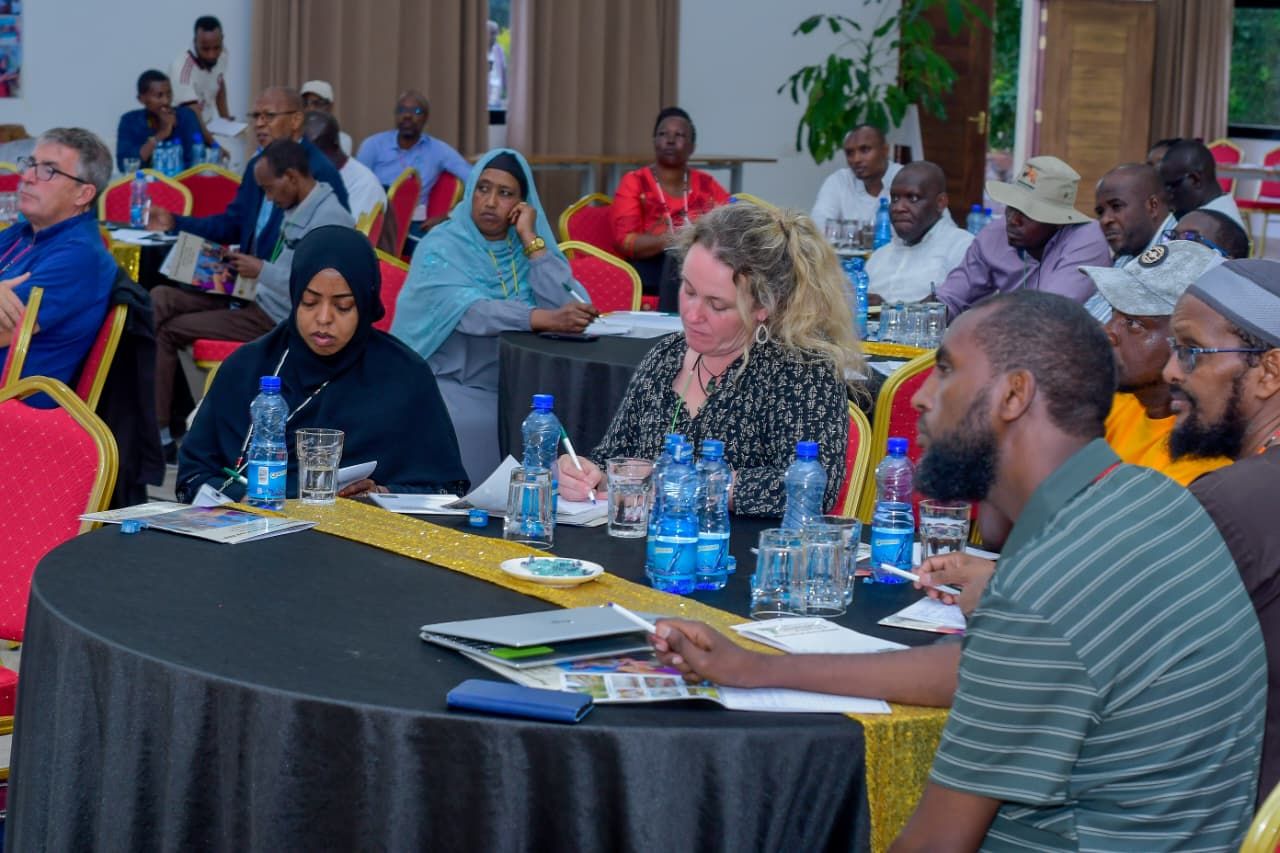
The forum is designed to foster learning, exchange ideas, and reflect on sustainable approaches to dryland development.
DLCI, an independent resource advocacy organization and Secretariat of the Pastoralist Parliamentary Group (PPG), is actively contributing to discussions on pastoralism, community land governance, and strategies to strengthen resilience in arid and semi-arid regions.
Participants are engaging in cross-sector dialogue aimed at identifying practical solutions that can support pastoral communities, whose livelihoods are increasingly threatened by climate variability, land pressures, and limited access to resources.
The Summer School is convened by the Centre for Research and Development in Drylands (CRDD) in partnership with the Jameel Observatory, with support from the Australian Centre for International Agricultural Research (ACIAR).
Organizers say the forum provides a critical platform for grounded discussions on what works in drylands, drawing from both local experiences and global expertise.
Through its participation, DLCI is reaffirming its commitment to promoting drylands-friendly policies and strengthening advocacy efforts that support pastoralist communities.
The organization is also leveraging the platform to build partnerships and amplify voices from dryland regions in national and international policy conversations.
As the impacts of climate change continue to intensify across dryland areas, stakeholders at the Isiolo meeting have underscored the importance of collaboration, knowledge sharing, and inclusive policy frameworks in building resilient and sustainable pastoral systems.