
A man-made famine has been officially confirmed in Zamzam camp, one of Darfur’s largest displacement sites, marking a devastating escalation of Sudan’s deepening humanitarian crisis.
The Famine Review Committee’s latest report warns that hundreds of thousands of people in the camp are now facing starvation, trapped by conflict and deprived of lifesaving assistance.
Located near Al Fasher, the besieged capital of North Darfur, Zamzam camp has swelled with new arrivals as conflict intensified in recent months.
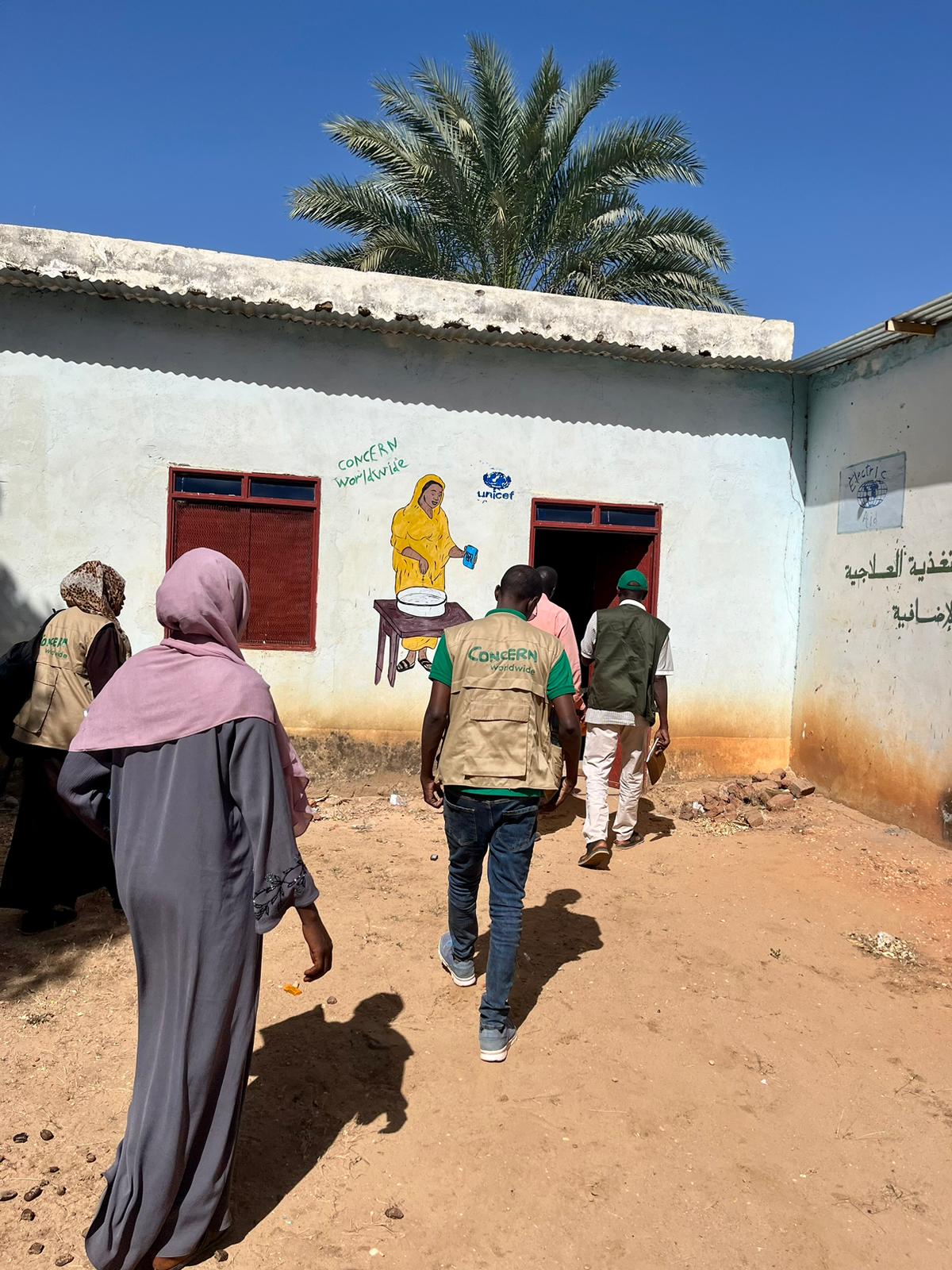
An estimated 150,000 to 200,000 people have fled to the site, bringing its total population to over half a million.
With access to food, farming, and aid completely cut off, residents are facing catastrophic levels of deprivation.
Across Sudan, more than 25 million people are now severely food insecure, according to the latest data.
Of these, 8.5 million are in IPC Phase 4 (Emergency) and 755,000 are in IPC Phase 5, the highest level of hunger, classified as famine. Humanitarian workers have long warned that children are dying daily from hunger-related causes, particularly in Darfur, Kordofan, Khartoum, and Al Jazira states.
Reports from NGOs paint a grim picture. In Kalma camp, South Darfur, one in every four children under five is acutely malnourished, and some clinics report four to five child deaths every day due to malnutrition.
In parts of Central Darfur, more than 90 per cent of children under five are suffering from acute malnutrition.
While Zamzam is the only area where famine conditions have been independently verified, aid agencies believe the true scale of starvation across Sudan is far greater but remains undocumented due to restricted access and limited data collection.
The catastrophe, humanitarian experts say, is entirely man-made.
Over the past 15 months of conflict, both warring parties have committed repeated violations of international humanitarian law, including the destruction of civilian infrastructure, agricultural assets, and food markets.
Widespread looting and deliberate obstruction of humanitarian aid have left entire regions isolated from assistance.
In many areas, lifesaving food and nutrition supplies take months to arrive due to bureaucratic hurdles and deliberate blockades, including restrictions on medical supplies entering El Fasher.
International agencies and observers have condemned the global community’s sluggish response.
Despite repeated warnings, the humanitarian appeal for Sudan has received less than a third of the required funding this year.
Efficient interventions such as cash assistance and support for local responders remain critically underfunded, leaving communities to face famine largely on their own.
The Famine Review Committee and aid organisations are urging immediate action.
They are calling on all conflict parties to respect international law, cease attacks on civilian infrastructure, and reopen key humanitarian corridors, including the Adre crossing from Chad, which is vital for delivering aid to Darfur.
They also urge the creation of safe and continuous aid routes into Khartoum, Al Jazira, Kordofan, and Darfur.
Aid agencies are appealing for the rapid removal of bureaucratic barriers, including restrictive permits and delays in project approvals, to expedite the flow of food, medicine, and essential supplies.
They are also pressing donors to prioritise flexible funding mechanisms that empower local responders, especially women-led organisations, to lead famine response efforts on the ground.
Diplomats and donors are being urged to act decisively, reconvening international efforts to end hostilities, secure humanitarian access, and ensure that pledges made at the Paris conference are swiftly disbursed to agencies with the capacity to operate in the hardest-hit regions.
The confirmation of famine in Zamzam camp, observers warn, is likely only the beginning.
Without urgent, large-scale intervention, countless other communities across Sudan may soon face the same fate, starving to death in silence as the world looks away.