
Kenya’s frontier counties are piloting offline digital learning technology in 17 schools, enabling access to educational resources where internet connectivity remains unreliable.
FCDC’s digital education initiatives include restoring approximately 200 tablets in Samburu and introducing LEGO Braille Bricks in 15 centres across three counties.
Governance expert Abdullahi Maalim has called for investment in affordable, inclusive technology to expand digital learning and youth skills development in underserved communities.
Kenya’s frontier counties are adopting offline digital learning solutions to reach schools with unreliable internet access, alongside efforts to restore devices, support learners with visual impairments and equip out-of-school youth with digital skills.
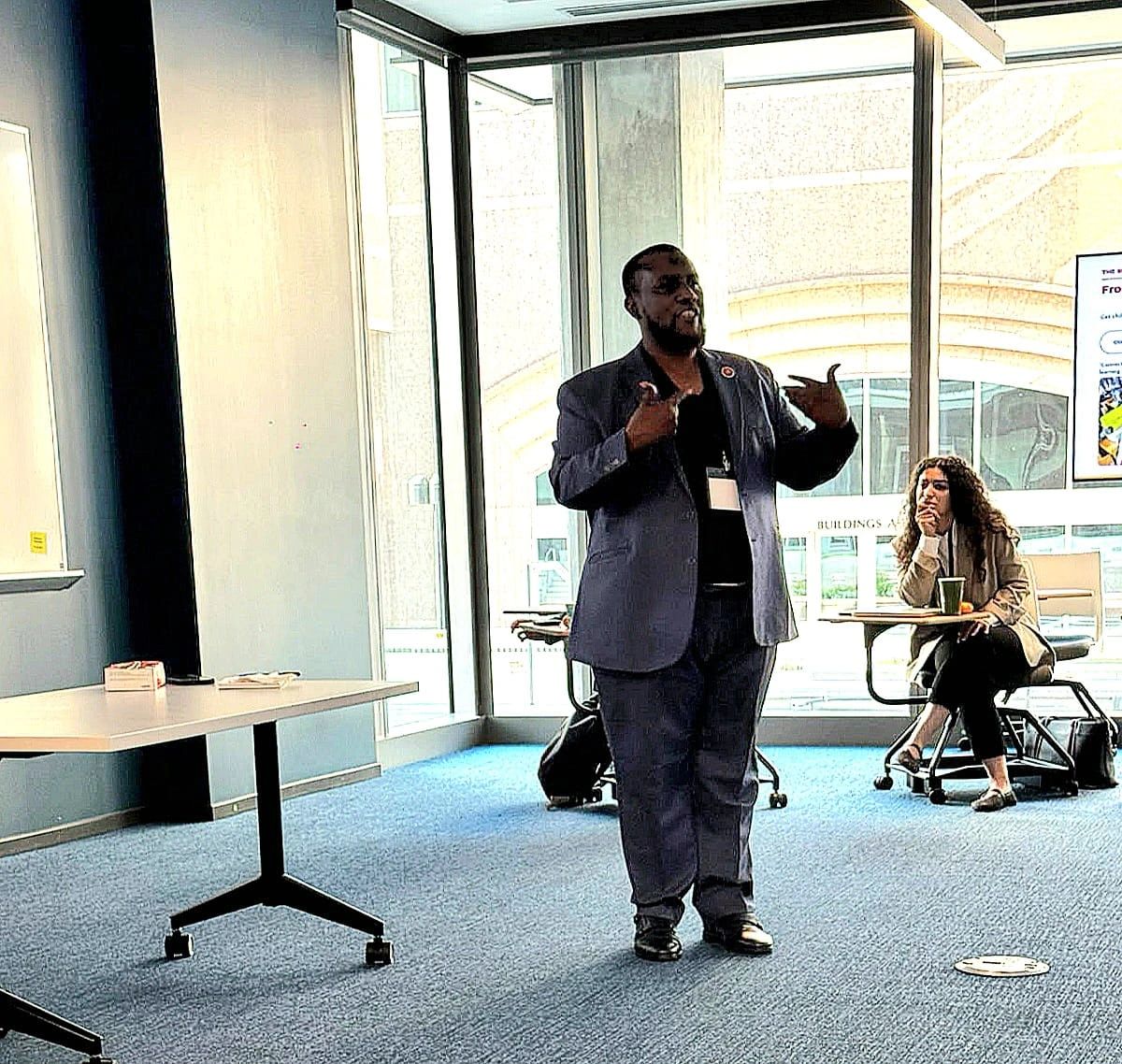
According to governance and policy expert Abdullahi Maalim, the Frontier Counties Development Council (FCDC) approach places access to learning resources at the centre of technology investment, allowing education initiatives to proceed even where connectivity remains weak.
“How do we deliver digital learning where connectivity is weakest? Put learning first, not connectivity first,” Maalim said.
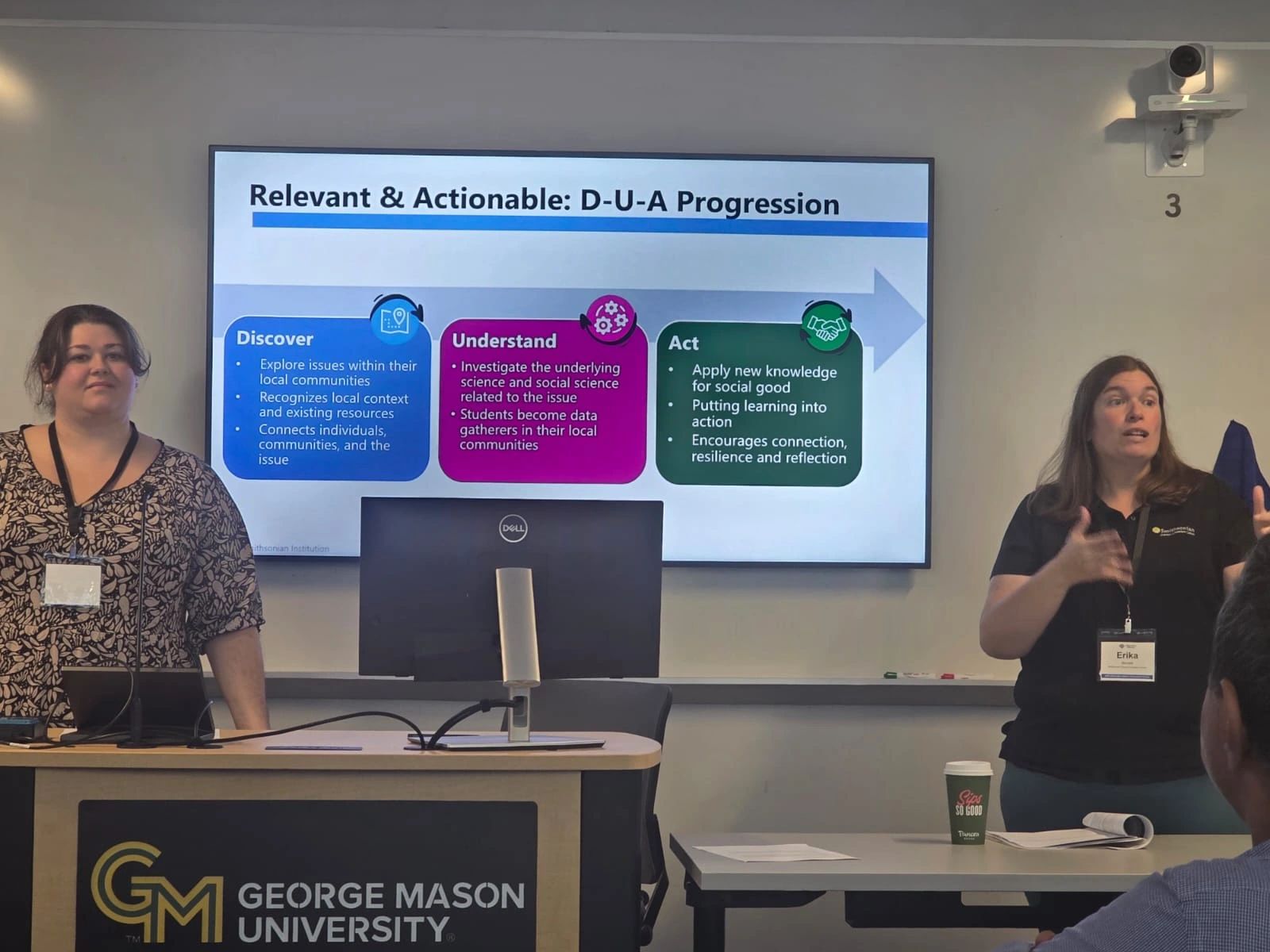
Maalim, a former county secretary and education sector strategist, shared the council’s experience during the 16th mEducation Alliance Summit, held from October 8 to 10, 2026, at George Mason University in Arlington, Virginia.
He outlined initiatives combining offline learning tools, device rehabilitation, inclusive education resources and county-level coordination to address barriers facing underserved communities.
Offline learning reaches 17 schools
A central intervention is the piloting of KulBox kits in 17 frontier county schools without reliable internet connectivity.
The kits provide access to digital learning resources without requiring an internet connection, offering a practical option for schools where connectivity limits the use of online materials.
On October 10, Maalim joined Nissim Dsilva and Ammar Mahmoud of Ontum Education to demonstrate the technology to summit participants.
“Together with Nissim Dsilva and Ammar Mahmoud from Ontum Education, we showcased how KulBox kits deliver digital learning resources without internet connectivity,” he said.
The demonstration presented the pilot as an example of how education programmes can respond to existing conditions while wider connectivity gaps are addressed.
Restoring devices and supporting inclusion
Alongside the offline learning pilot, Maalim reported the restoration of approximately 200 tablets in Samburu County.
Device rehabilitation forms part of the approach to expanding access by bringing existing equipment back into use.
The initiatives also include the introduction of LEGO Braille Bricks in 15 centres across Wajir, Marsabit and Samburu counties to support inclusive education.
Maalim presented these interventions as complementary measures: improving access to learning materials while responding to the needs of learners who may otherwise be excluded from education technology programmes.
Digital skills beyond the classroom
The council’s work also extends to out-of-school youth through Community Digital Hubs and holiday boot camps in Wajir and Marsabit.
According to Maalim, these initiatives are equipping young people with digital skills and broadening access to learning opportunities beyond formal school settings.
Similar activities are planned for Lamu County in November during its annual cultural festival.
The planned expansion reflects an effort to reach young people through community spaces and events, alongside school-based interventions.
County coordination guides implementation
Maalim said termly county coordination meetings help align priorities, partnerships and investments.
The approach brings together participating actors to review needs and coordinate support across the initiatives.
Review meetings, field visits and periodic studies are also being used to monitor progress and refine implementation.
These processes are intended to help partners identify what is working, respond to challenges and guide subsequent investment.
Summit creates opportunities for collaboration
The summit provided opportunities to exchange experiences with organisations working on education technology, digital content and inclusive learning.
Maalim highlighted engagements with representatives from Taleemabad, The Wilderness Technology Alliance, Storytime AI, mEducation Alliance, K-12 Teachers Alliance, Maketank Inc, SIL Global, Learning Equality and Engineers Without Borders USA.
He also connected with Kenyan education technology practitioners, including John Kimotho of Spike Foundation and Jennifer Cotter Otieno and Ciku Mbugua of EdTech East Africa.
Maalim acknowledged the collaboration and support of Kenya’s Ministry of Education, frontier county governments, UNICEF Kenya, Raspberry Pi Foundation, Ontum Education, EIDU, EdTech East Africa and The Action Foundation.
Call for investment in affordable solutions
Maalim urged governments, development partners and technology innovators to support solutions designed around the circumstances of underserved communities.
“Our priority is to build on what works and reach further,” he said. “We call on governments, development partners and technology innovators to invest in affordable, inclusive solutions tailored to the diverse realities of underserved communities.”
He called for the expansion of effective interventions to bridge the last-mile digital divide and reach more frontier communities.
“Let us scale impact, bridge the last-mile digital divide and ensure no frontier community is left behind,” Maalim said.