
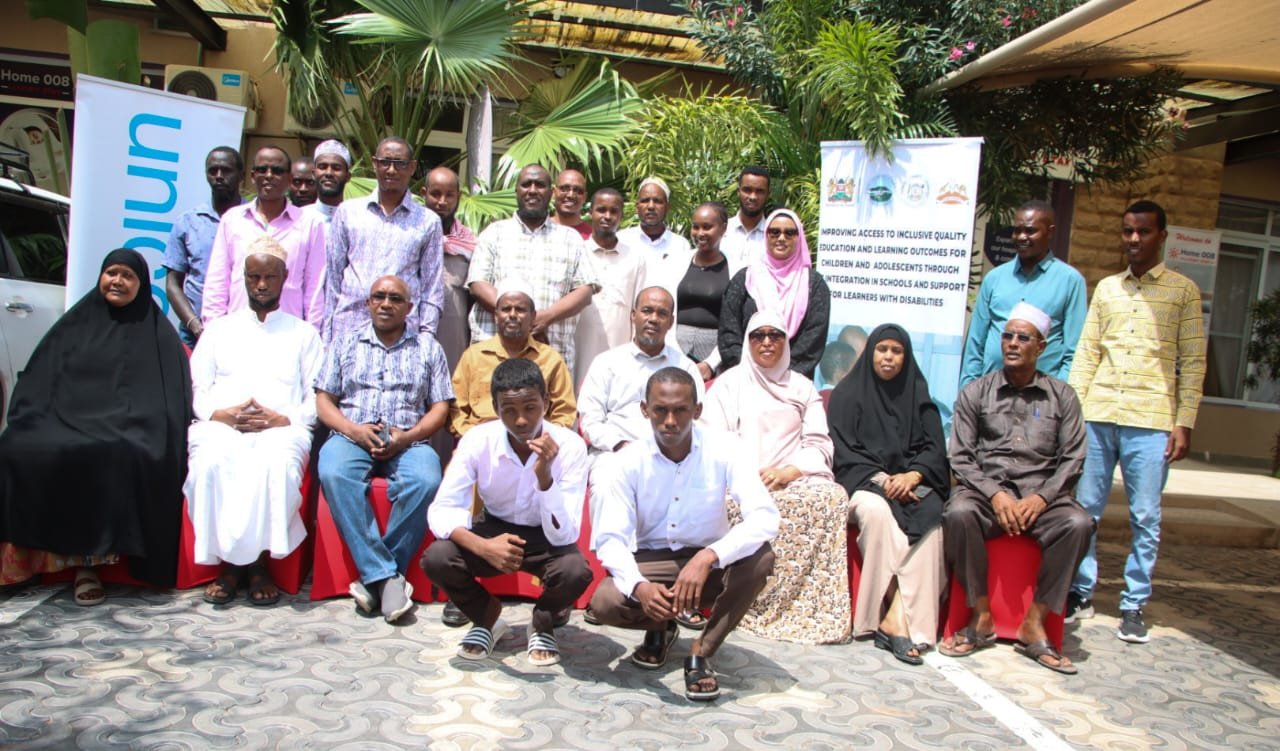
Education stakeholders in Wajir County have reaffirmed their commitment to advancing digital learning through innovative teaching models, following a successful workshop on Blended Learning Approaches.
The event, supported by UNICEF Kenya and implemented by the Frontier Counties Development Council (FCDC) in collaboration with The Action Foundation (TAF), brought together key partners to explore ways of integrating technology into classrooms to enhance learning outcomes and promote inclusivity.
The opening session was officiated by Dr Koriyow Ali, County Director of Education, and Mr Daniel Kioko, Teachers Service Commission (TSC) County Director.
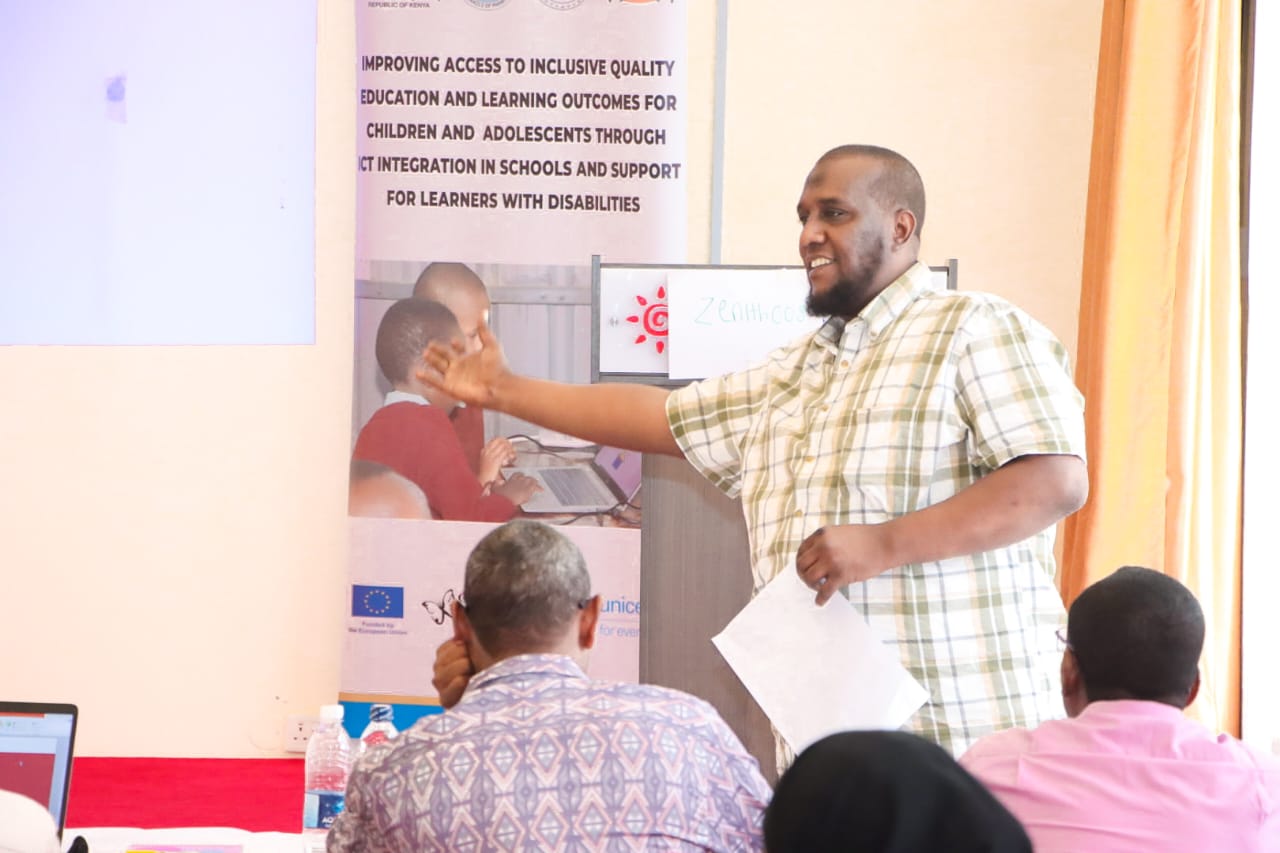
Both officials underscored the growing importance of blended learning as a flexible and forward-looking model that bridges traditional and digital education.
“Blended learning represents the future of education in frontier regions,” Dr Koriyow said, noting that it allows teachers to combine classroom instruction with digital tools to meet diverse learning needs.
Mr Kioko highlighted the success of the TSC Livestreaming Model, which has demonstrated positive results in Wajir and is set for expansion.
He emphasised the need to strengthen teacher training and ICT infrastructure to ensure the sustainability of such models.
During the technical sessions, Mr Salat Mohamed Kheyley, Raspberry Pi Foundation (RPF) County Trainer, and Mr Mohamednur Abdikarim, TSC Curriculum Support Officer and RPF focal person, introduced participants to the RPF Digital Learning Curriculum for Grades 4–9.
The program, officially approved by the Ministry of Education, is being rolled out nationally to strengthen digital literacy and computing skills among learners.
The workshop also featured a presentation by Mr Osman from UNICEF Kenya, who shared insights on the Virtual Labs Model piloted by Windle International Kenya (WIK) with UNICEF’s support.
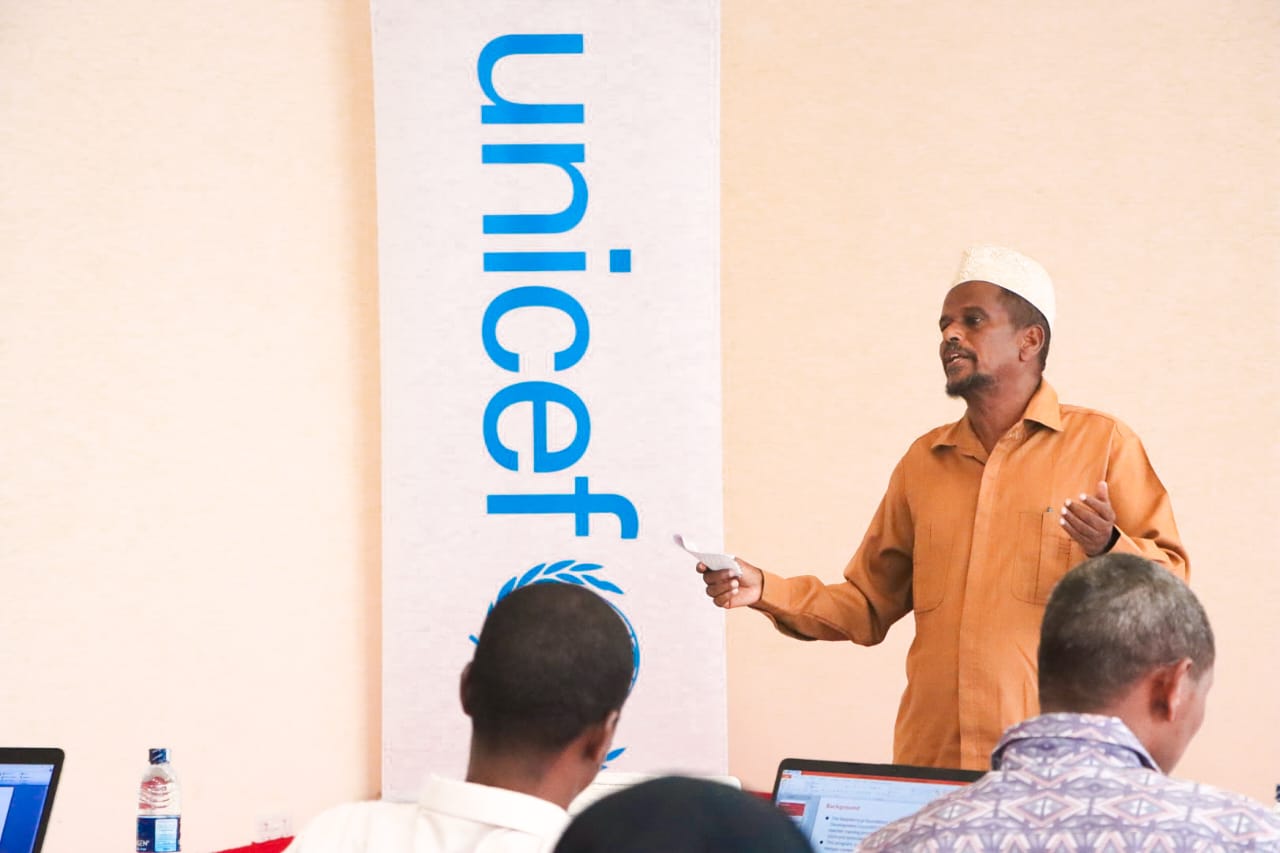
The model, initially tested in refugee settings, has proven effective and is now being adapted for use in schools across Wajir, Marsabit, and Samburu Counties.
The event concluded with an inspiring demonstration by pupils from AMA Primary School, who showcased how digital tools are transforming learning in real time.
Their presentation highlighted the tangible progress achieved through the FCDC–RPF partnership, which is embedding technology into classrooms across Kenya’s frontier counties.
In closing, participants reaffirmed their collective vision of ensuring that no learner is left behind in the digital age.