
Turkana County Deputy Governor Dr John Erus has raised the alarm over sharp reductions in international funding for refugee operations, warning that the cuts are already undermining years of progress in Kakuma Refugee Camp and the Kalobeyei Settlement Scheme.
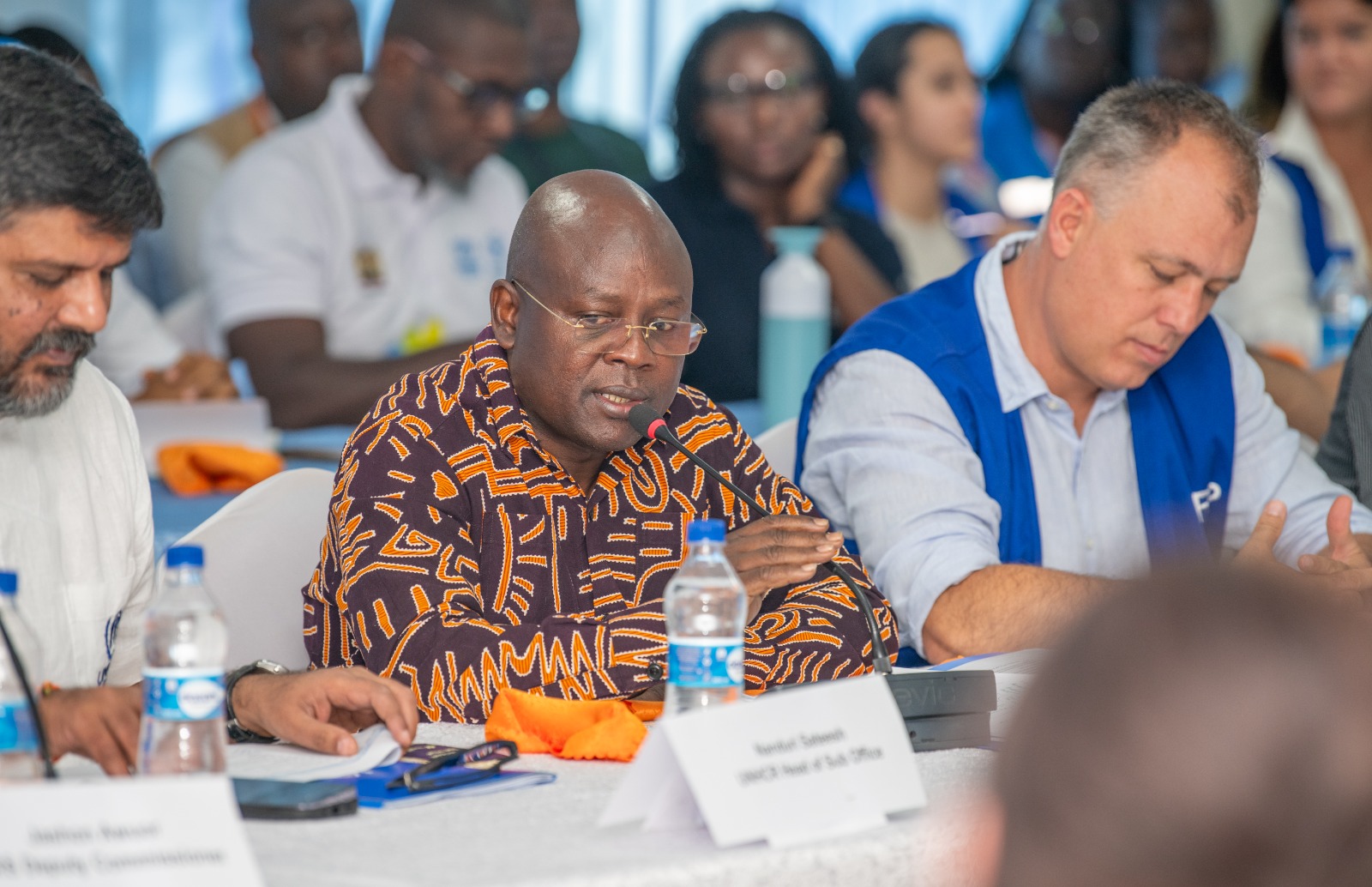
Speaking during a high-level visit by the EU Council Working Groups on Development (CODEV) and Humanitarian Affairs (COHAFA), Dr Erus cautioned that the decline in humanitarian financing threatens essential services and the socio-economic inclusion of refugees and host communities.
Kakuma, one of Africa’s largest and most densely populated refugee complexes, has long relied on strong support from the European Union and other international partners. But with shrinking humanitarian budgets, pressure is mounting across critical sectors.
Dr Erus noted that health services, food distribution, social protection, and livelihood initiatives are already showing signs of strain.
He called for a harmonised funding model that would consolidate support under a single mechanism to prevent fragmented service delivery.
“The County Government has been working closely with UNHCR and the Department of Refugee Services to bridge gaps in service provision. We had made significant gains; however, the recent rollout of differentiated assistance due to funding cuts and the rollback of activities has reversed progress previously achieved,” he said.
The Deputy Governor also appealed for stronger backing to clarify and implement the Shirika Plan and KISEDP frameworks, key blueprints for refugee inclusion.
He warned that misinformation and confusion surrounding the two programs could dilute their impact if not addressed.
In addition to humanitarian concerns, Dr Erus urged the EU delegation to consider supporting the proposed Tarach Dam project, arguing that improved water security would enhance livestock productivity and catalyse industrial growth in the region.
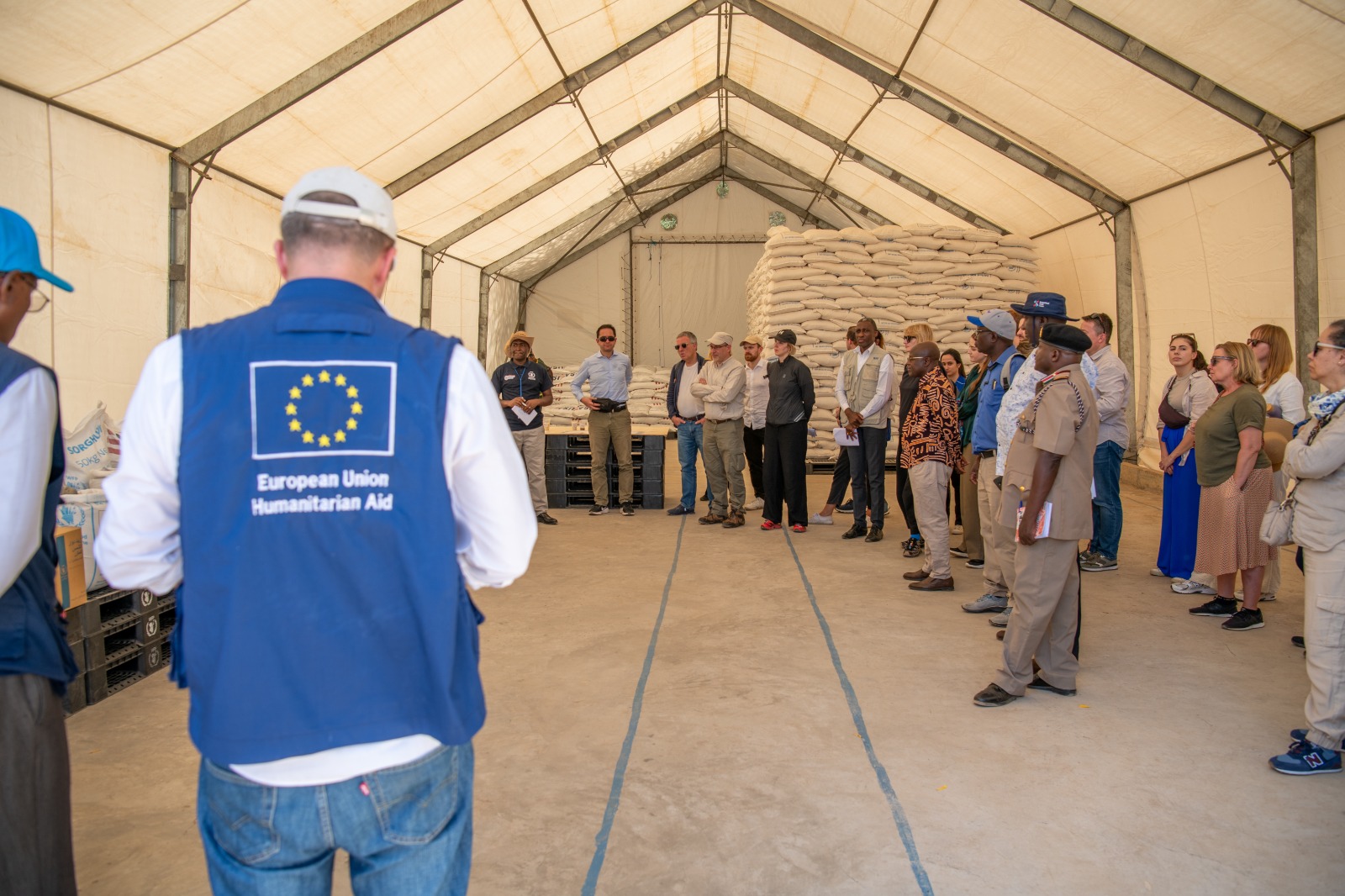
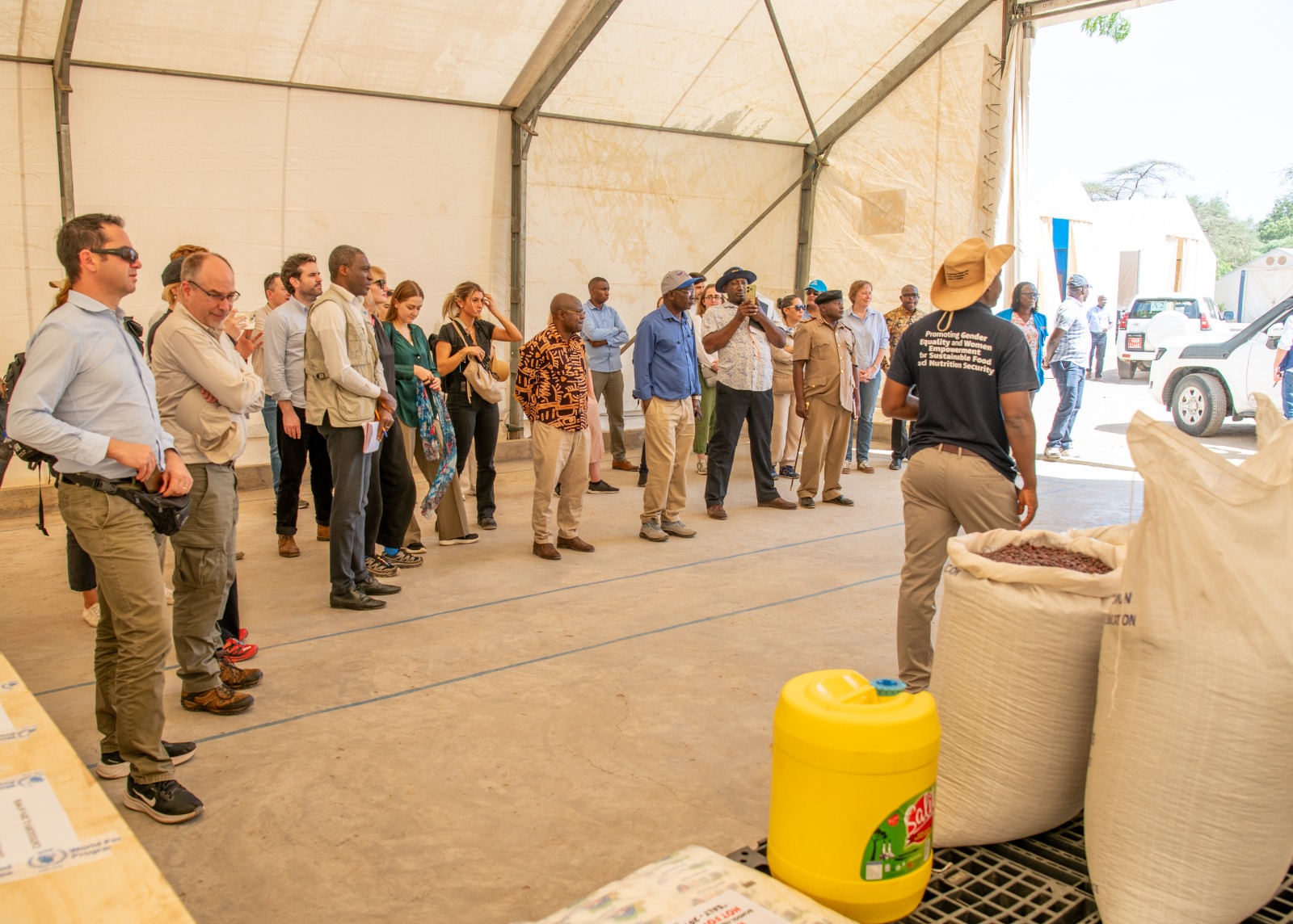
The delegation, led by EU Ambassador to Kenya H.E. Henriette Geiger and Danish Ambassador H.E. Stephen Schønemann, visited several operational sites in Kakuma, including health facilities, agricultural farms, protection centres for women and girls, and food distribution points.
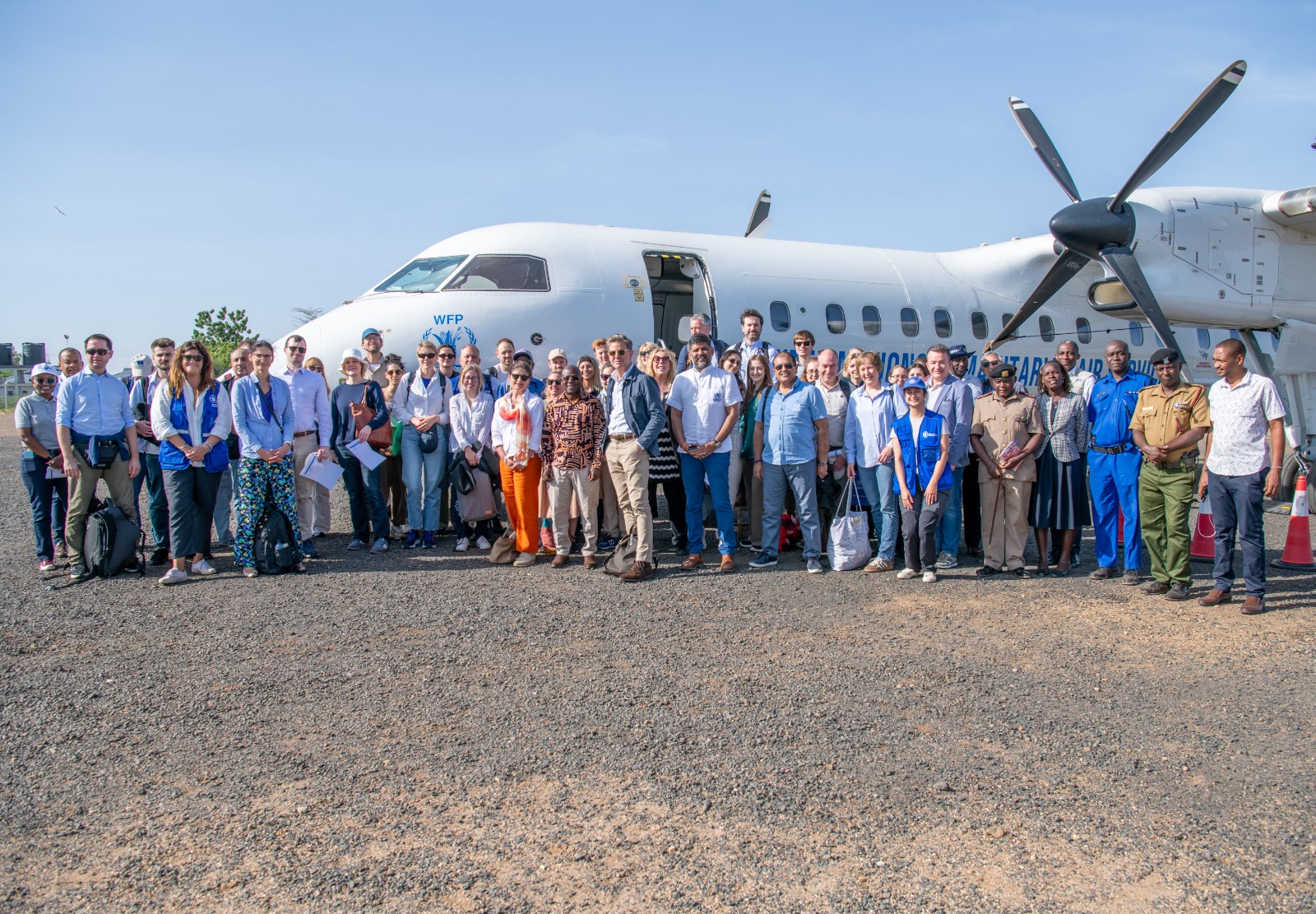
The tour aimed to provide firsthand insight into the implications of reduced funding on ongoing refugee and humanitarian programs.
Turkana County leaders emphasised that sustained, coordinated support is essential to protect the progress made in refugee inclusion and ensure that vulnerable populations do not bear the brunt of global funding shifts.