
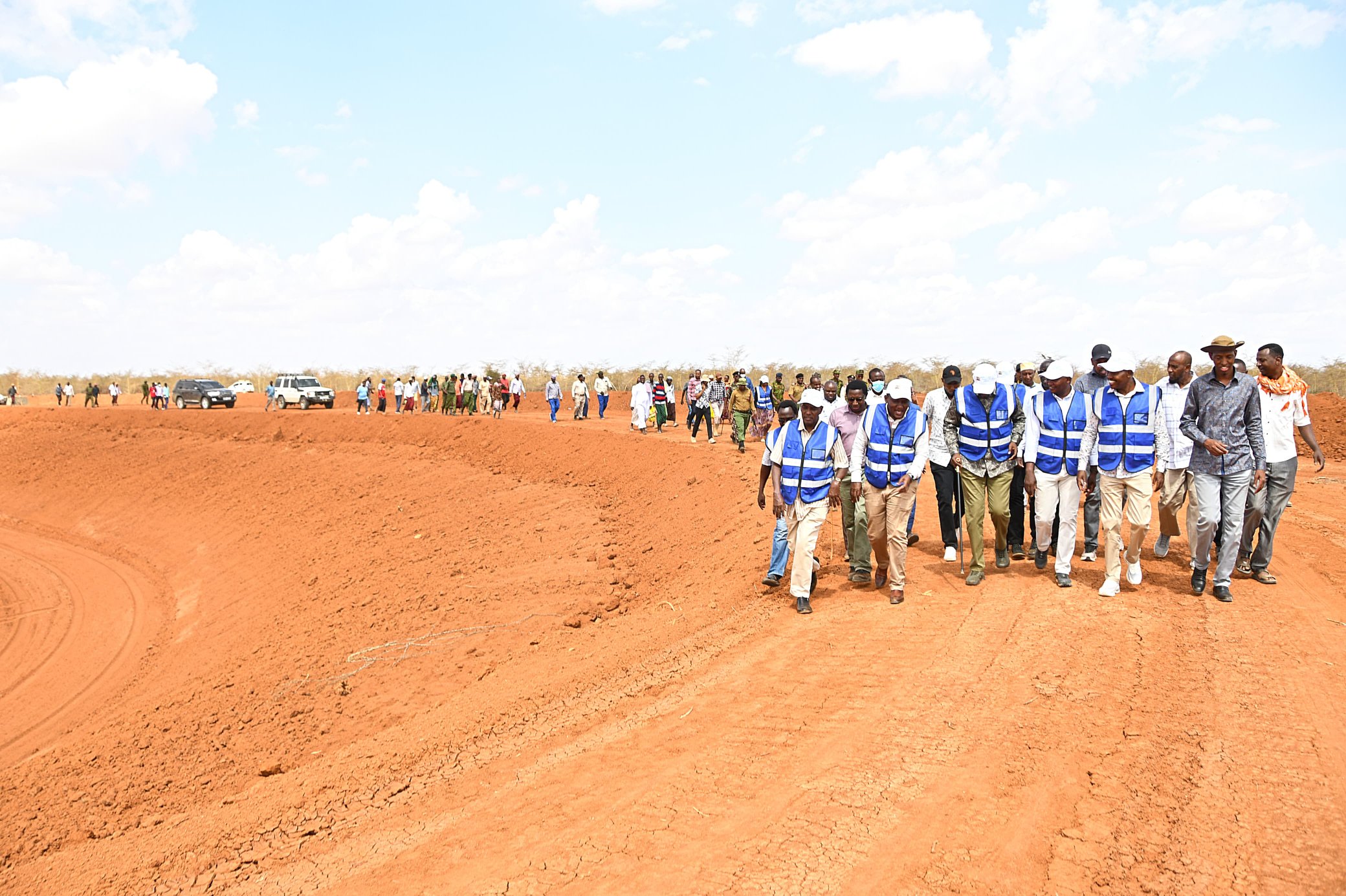
The government has intensified efforts to transform livestock production and enhance drought resilience across Kenya’s arid and semi-arid lands (ASALs) through the establishment of a 5,000-acre irrigation and feedlot project in Griftu, Wajir West.
The Griftu Irrigation and Feedlot Project, currently under implementation, underscores the government’s commitment to improving livelihoods through livestock commercialisation and sustainable water management.
The project was inspected by the Principal Secretary for the State Department for ASALs and Regional Development, Kello Harsama, accompanied by Wajir Governor and Council of Governors Chairperson, and Principal Secretary for Irrigation, CPA Ephantus Kimotho, CBS.
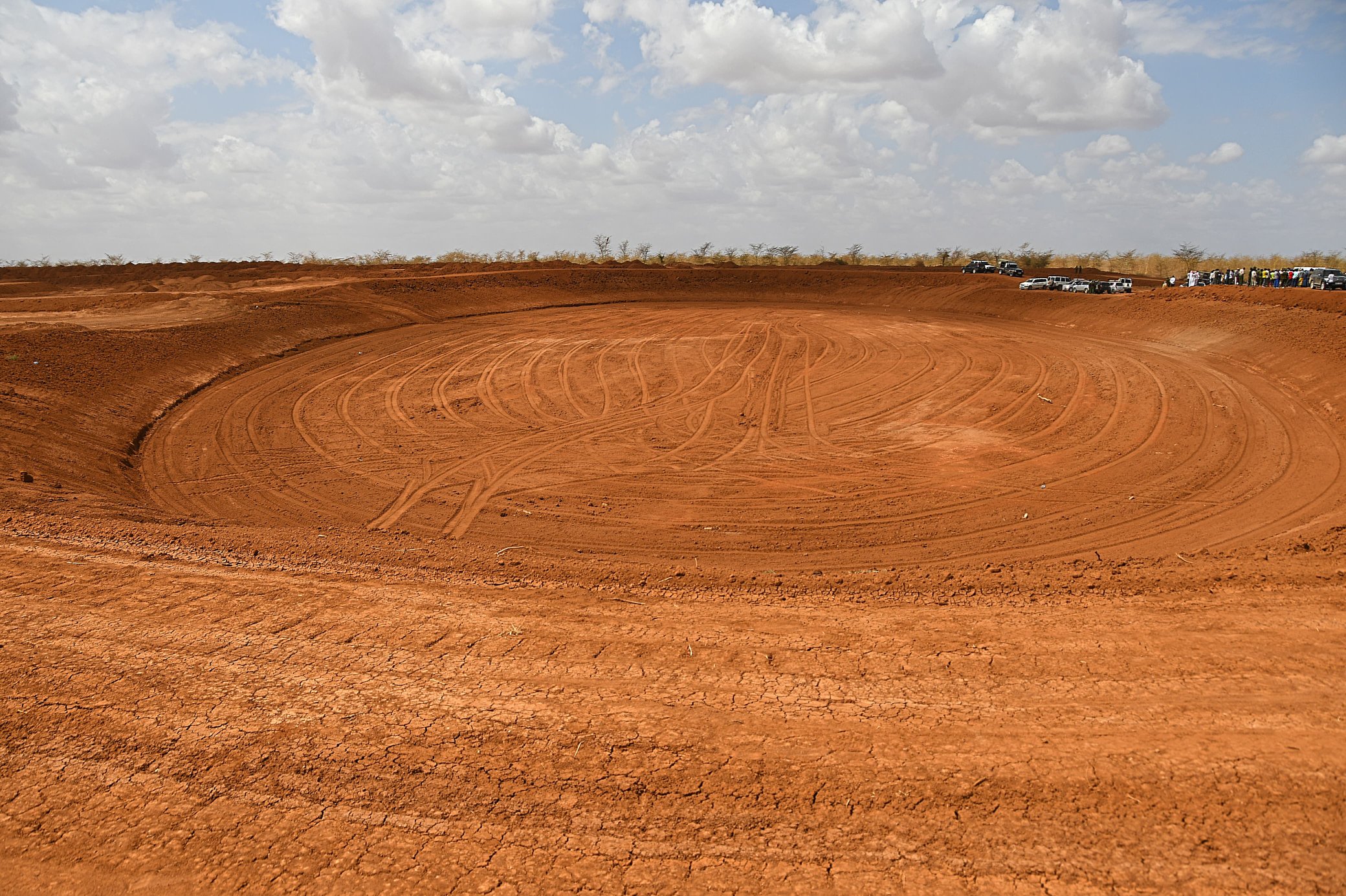
According to PS Harsama, the project will benefit at least 250 households and accommodate up to 2,000 cattle for cross-breeding, fattening, and value addition.
“This initiative is a model for drought resilience and sustainable livestock production across ASAL counties. It will boost household incomes, enhance food security, and strengthen the livestock value chain,” he said.
The Wajir Feedlot Project was conceived from lessons learned during the 2020–2021 drought, which resulted in the loss of more than 2.5 million livestock.
The government now plans to establish 450 feedlots across ASAL counties as part of a broader strategy to build resilience, promote livestock commercialisation, and secure the livelihoods of pastoralist communities.
Key features of the Griftu project include diversion works, a 6.5-kilometre open water channel, road crossings, four water pans with a total capacity of 750,000 cubic metres, solar power installations, and perimeter fencing to safeguard the investment.
PS Harsama announced that the State Department for ASALs and Regional Development will fully fence the 5,000-acre project area to prevent encroachment and ensure sustainability.
“This is a strategic investment to protect livelihoods and position livestock production as a viable commercial enterprise in ASAL regions,” he noted.
The inspection visit also brought together senior government officials, including Irrigation Secretary for Land Reclamation and Climate Resilience, Joel Tanui, and Director of Regional Development, Wanjiku Manyatta, who reaffirmed the government’s long-term vision to link irrigation, livestock production, and climate resilience for sustainable rural development.
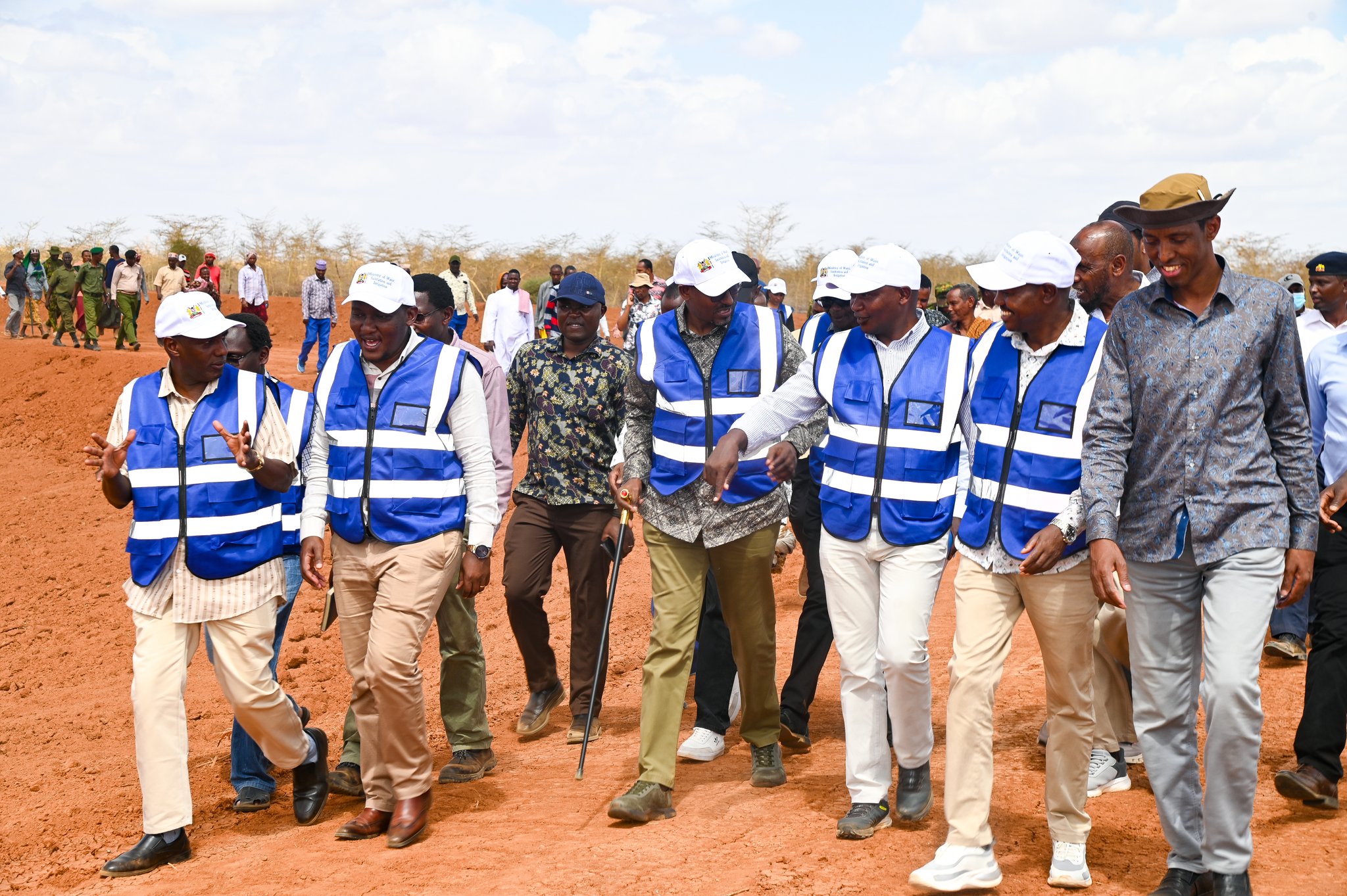
Governor Wajir lauded the partnership between the national and county governments, noting that the project aligns with the county’s development priorities.
“This initiative reflects our shared goal of turning Wajir into a centre of agri-livestock innovation. It will not only empower local farmers but also improve market access and food stability,” he said.
The Griftu Feedlot and Irrigation Project is expected to serve as a replicable model for other ASAL counties, offering a pathway toward resilient livelihoods, enhanced productivity, and climate-smart livestock production in northern Kenya.