
A few years ago, pastoralist communities across Kenya’s Arid and Semi-Arid Lands (ASALs) suffered one of the worst droughts in recent history, losing more than 2.5 million livestock.
The unprecedented losses pushed thousands of households to the brink, eroding incomes, food security, and the very foundation of pastoral livelihoods.
In response to the crisis, President William Ruto directed the State Department for ASALs and Regional Development, working through the National Drought Management Authority (NDMA), to implement a comprehensive livestock restocking programme targeting the most affected families.
The ongoing initiative aims not only to replace lost animals but also to restore dignity, resilience, and long-term economic stability for pastoralist households.
As part of this recovery effort, the government has already supported families in Marsabit County with camels and goats, animals well-suited to the region’s increasingly harsh climatic conditions.
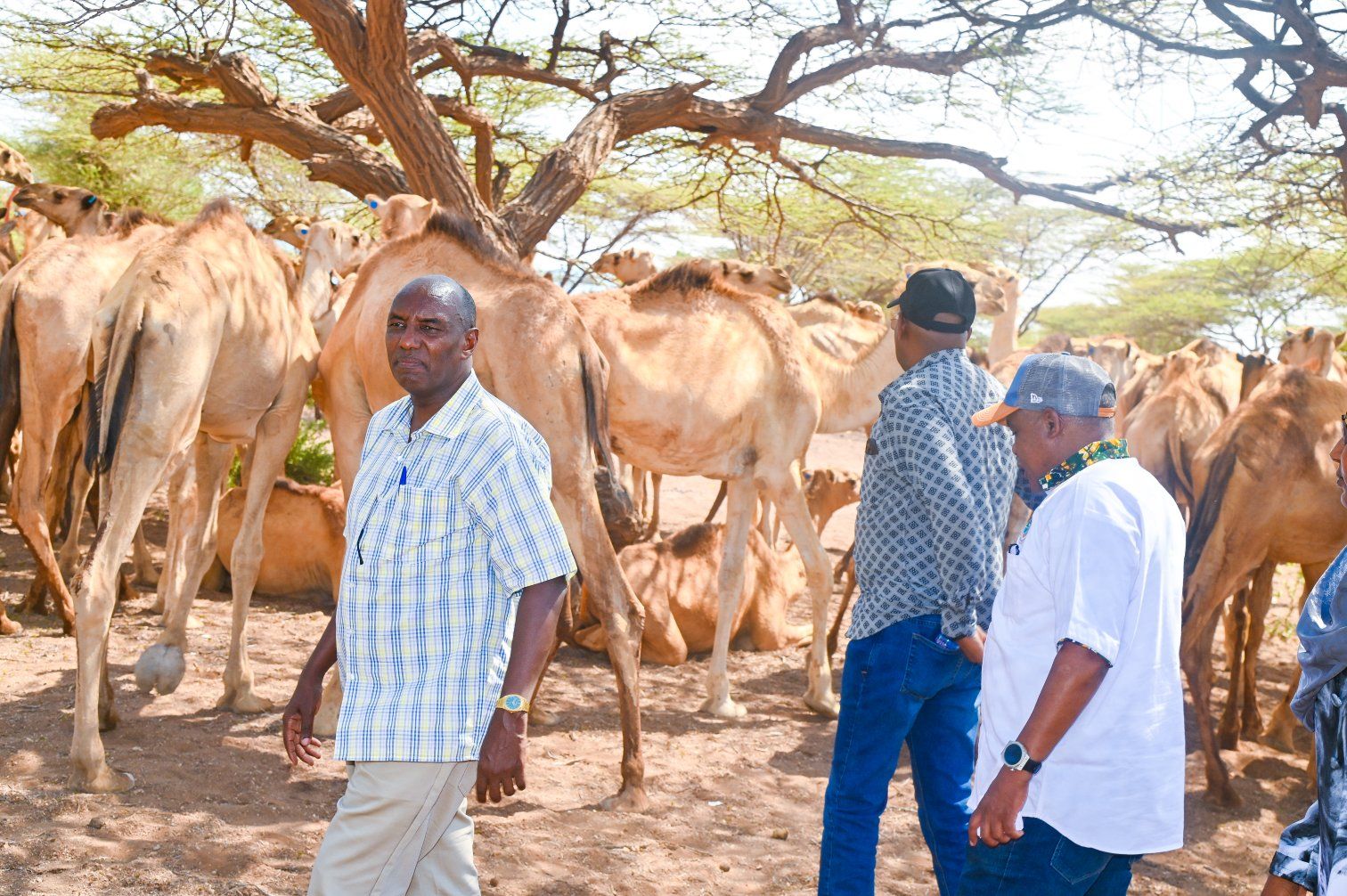
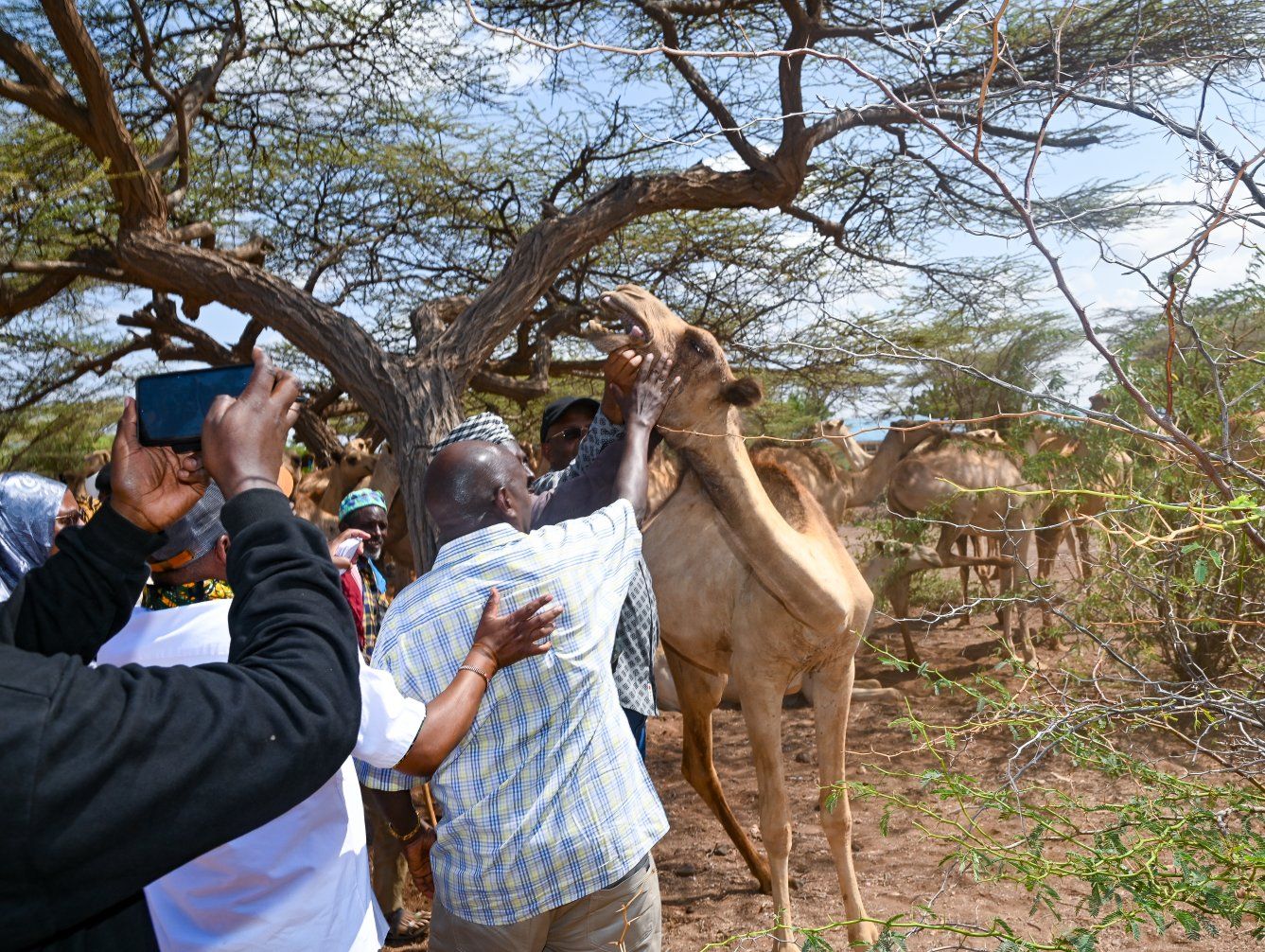
On Tuesday, Principal Secretary for ASALs and Regional Development, Kello Harsama, alongside North Horr MP Hon. Wario Adhe, led another major restocking exercise in Kalacha, North Horr Constituency.
During the event, 100 camels were distributed to vulnerable households in the area.
PS Harsama said the gesture represents the government’s unwavering commitment to helping ASAL communities rebuild their livelihoods after the prolonged drought.
“This programme is more than an intervention; it is a testament to our dedication to restoring hope, resilience, and economic security across ASAL counties,” he stated.
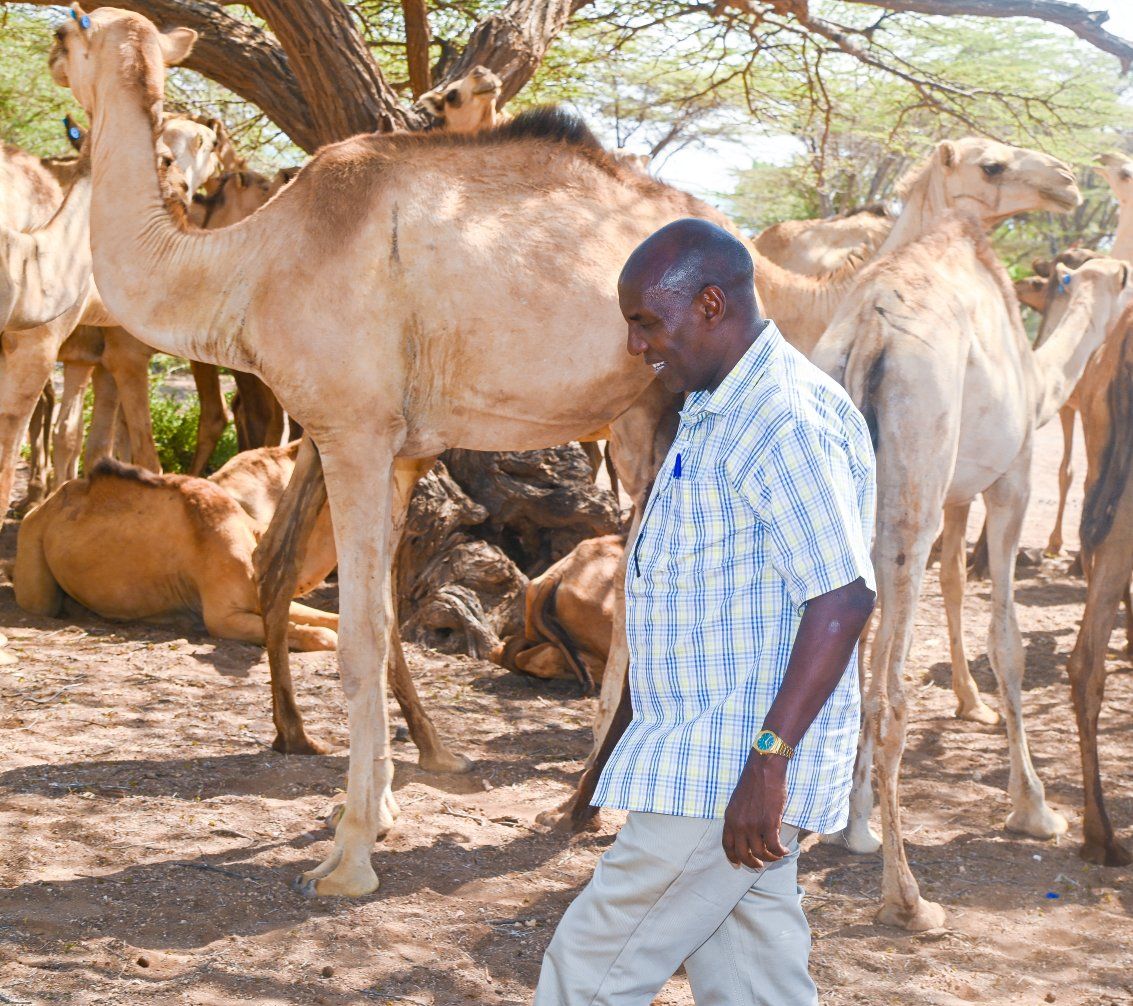
The camels distributed are expected to provide families with a stable source of income, nutrition, and adaptability as they work to recover from years of climate-induced shocks.
According to NDMA, the restocking initiative will continue across affected counties to ensure that pastoral communities can rebuild sustainably and strengthen their resilience to future droughts.