
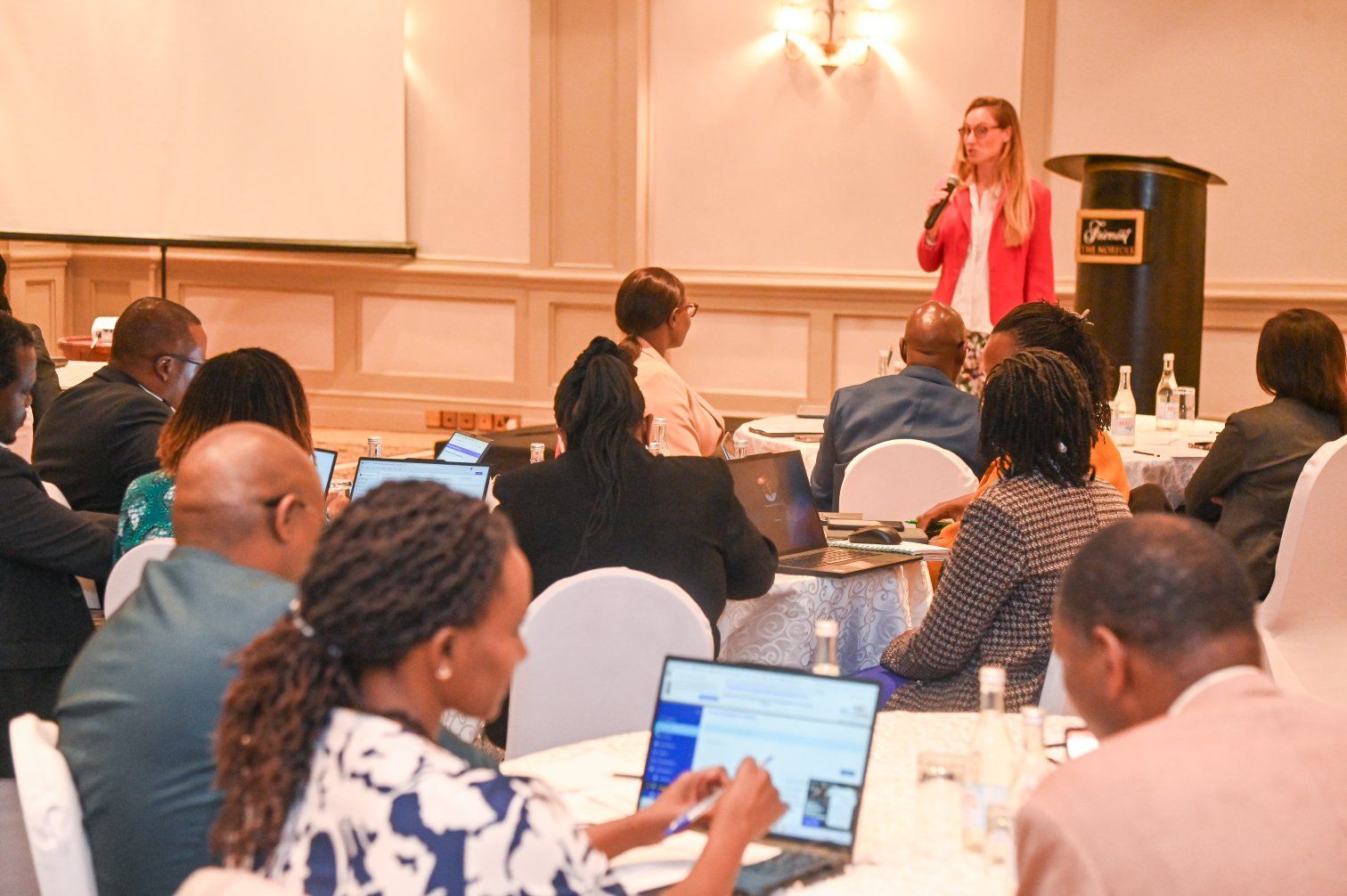
The Government of Kenya, in partnership with the World Bank, has launched a six-day Implementation Support Mission for the Kenya Social and Economic Inclusion Project (KSEIP II), marking a major step toward strengthening social protection systems in Arid and Semi-Arid Lands (ASALs).
Speaking during the opening in Nairobi, Principal Secretary for the State Department for ASALs and Regional Development, Kello Harsama, said the mission brings together government officials and development partners to align efforts and accelerate delivery of the programme.
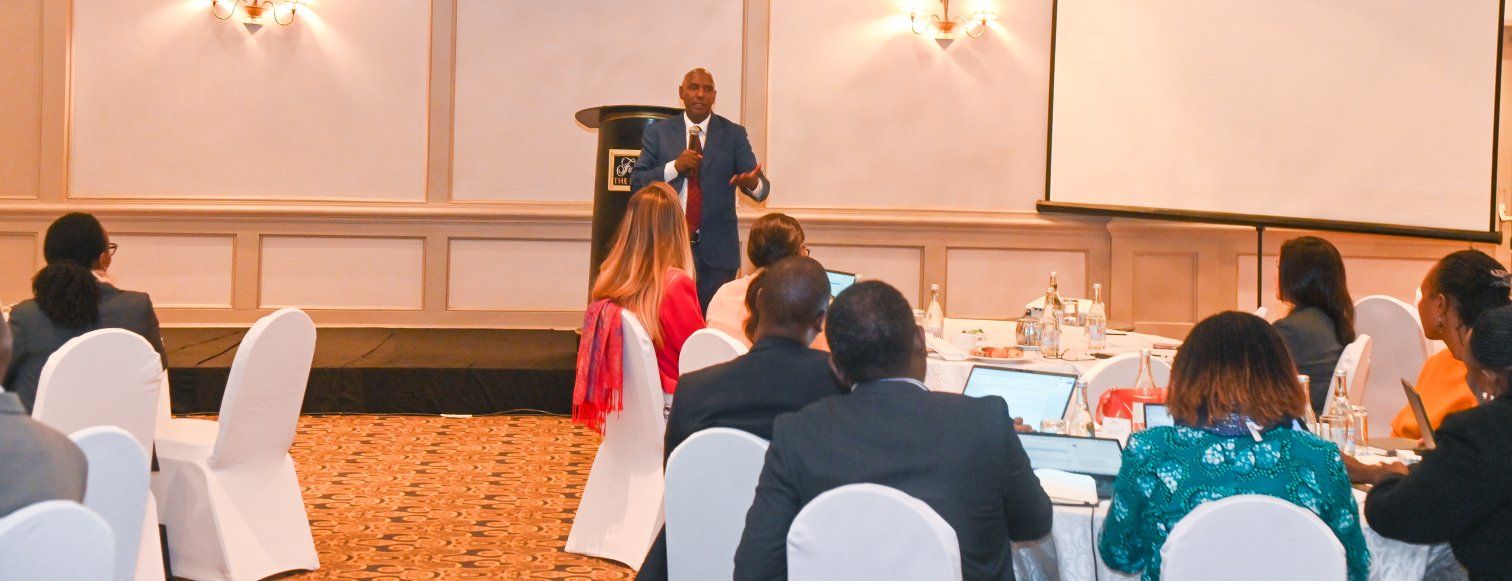
“Together with Children Service PS, CPA Carren Ageng’o, and the World Bank team led by Federica Ricaldi, we welcomed Government colleagues and development partners to Nairobi for the six-day Implementation Support Mission of the Kenya Social and Economic Inclusion Project (KSEIP II),” he said.
Harsama noted that the government is shifting its approach to social protection from reactive interventions to a more proactive, shock-responsive system that supports vulnerable communities before crises escalate.
“The Government reaffirmed its commitment to shift from reactive responses to a proactive, shock-responsive social protection system,” he stated.
A key component of KSEIP II will be the expansion of the Hunger Safety Net Programme (HSNP) to all 23 ASAL counties, a move expected to enhance support for vulnerable households significantly.
“KSEIP II will expand the Hunger Safety Net Programme to all 23 ASAL counties, ensuring a predictable safety net while strengthening resilience, livelihoods, and self-reliance for vulnerable households,” Harsama explained.
Beyond cash transfers, the programme introduces a climate-responsive economic inclusion model aimed at promoting long-term sustainability.
This includes linking financial support to livelihoods development, climate insurance, and improved market access.
“The project also adopts a climate-responsive economic inclusion approach linking cash transfers with livelihoods support, climate insurance, and market access to enable sustainable graduation,” he added.
The Principal Secretary also called for stronger coordination among stakeholders to maximise impact and reduce inefficiencies.
“I called on partners to align their programmes with the Bottom-Up Economic Transformation Agenda (BETA), avoid duplication, and enhance coordination for maximum impact,” he said, adding that improving delivery through digital systems and strengthening early warning mechanisms will be critical.
“I emphasised improving delivery efficiency through digital systems, scaling climate-resilient livelihoods, and strengthening early warning systems linked to early action and financing,” he noted.
With funding already secured and collaboration between government and partners strengthening, KSEIP II is expected to play a transformative role in Kenya’s social protection landscape.
“With funding secured and strong collaboration between Government, the World Bank, and partners, KSEIP II sets the foundation for an adaptive, resilient, and inclusive social protection system for vulnerable Kenyans,” Harsama said.
The initiative is seen as a cornerstone in building resilience among communities in ASAL regions, which are frequently affected by drought and climate shocks, while supporting Kenya’s broader development agenda.