
A swift, community-led mediation effort has helped avert a looming humanitarian crisis in drought-stricken parts of Mandera County, following retaliatory attacks in Qoqai (Mandera North) and Merille (Banisa Sub-County) that threatened to escalate into widespread conflict.
The October clashes, which unfolded on the same day a peace agreement was being signed in Mandera Town, revealed how fragile local harmony remains across the county’s hotspot corridors.
The violence immediately disrupted daily life, exposing vulnerabilities already deepened by prolonged drought.
In the tense aftermath, thousands of livestock were denied access to the critical Merille water point, movement of people and goods along the Banisa–Mandera Town route came to a standstill, and mistrust between the Garre and Degodia communities resurfaced.
Hundreds of households across Banisa, Guba, and Merille faced displacement as fears of further attacks mounted.
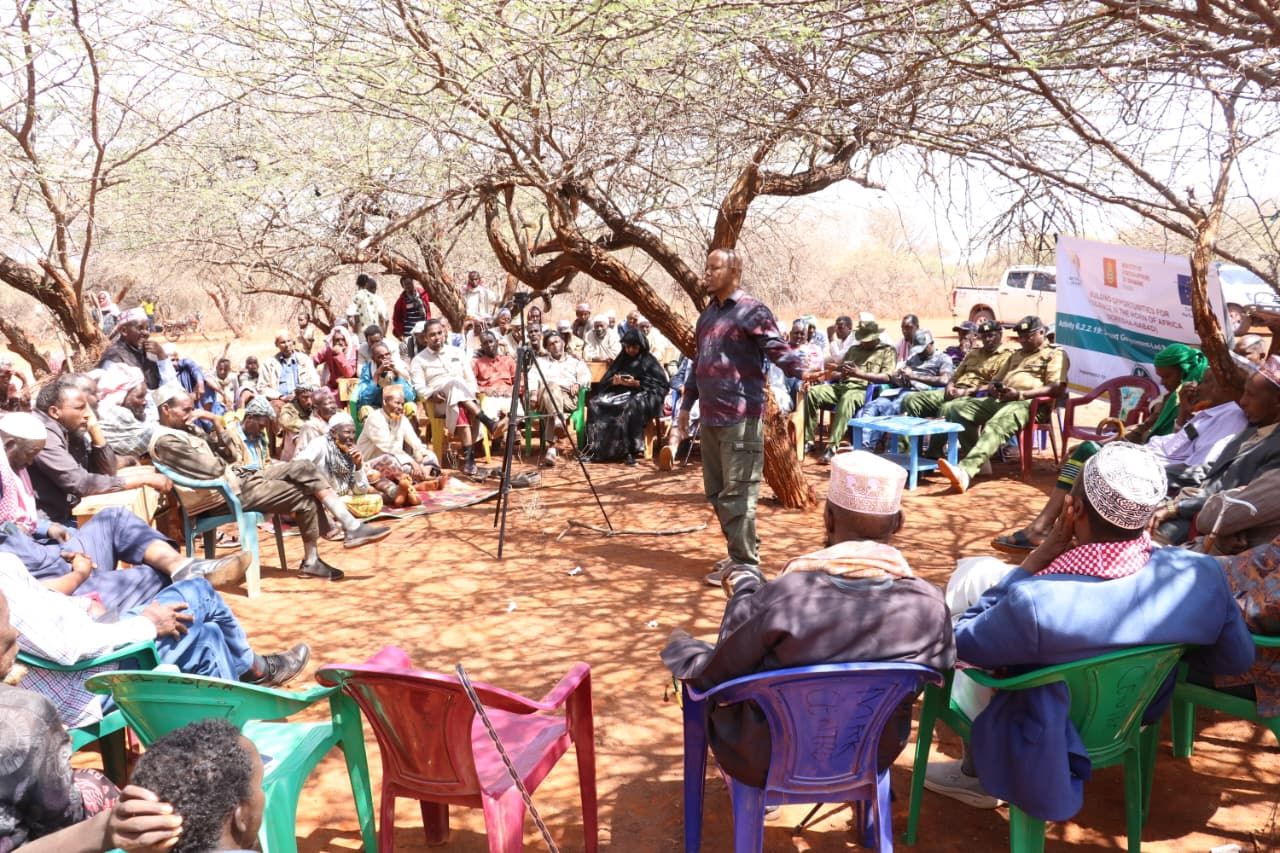
To prevent further deterioration, the Building Opportunities for Resilience in the Horn of Africa (BORESHA–NABAD) programme partnered with the Mandera County Department of Community Cohesion and the Office of the Banisa Deputy County Commissioner to convene a grassroots peace dialogue in Merille, the epicentre of the tensions.
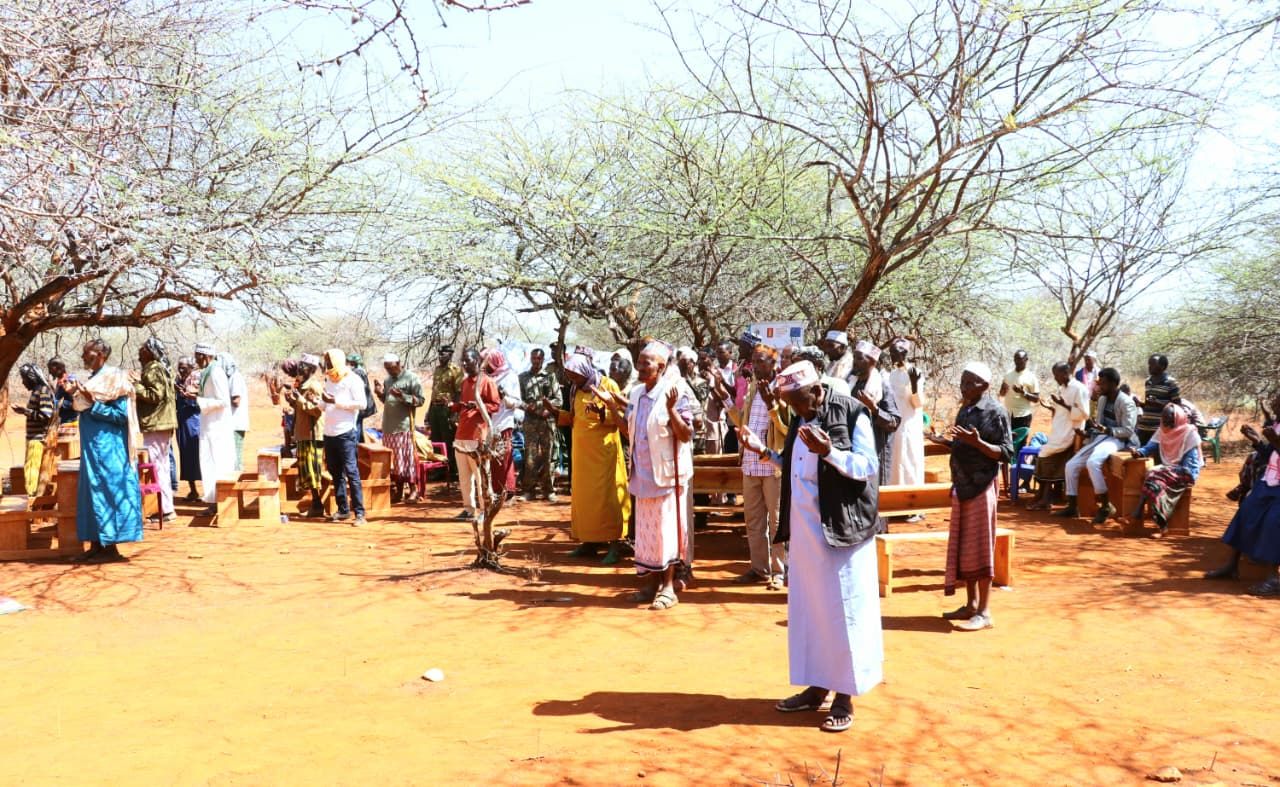
The intervention placed community structures at the forefront. Conflict Monitoring Committees, featuring representatives from both clans, led the process.
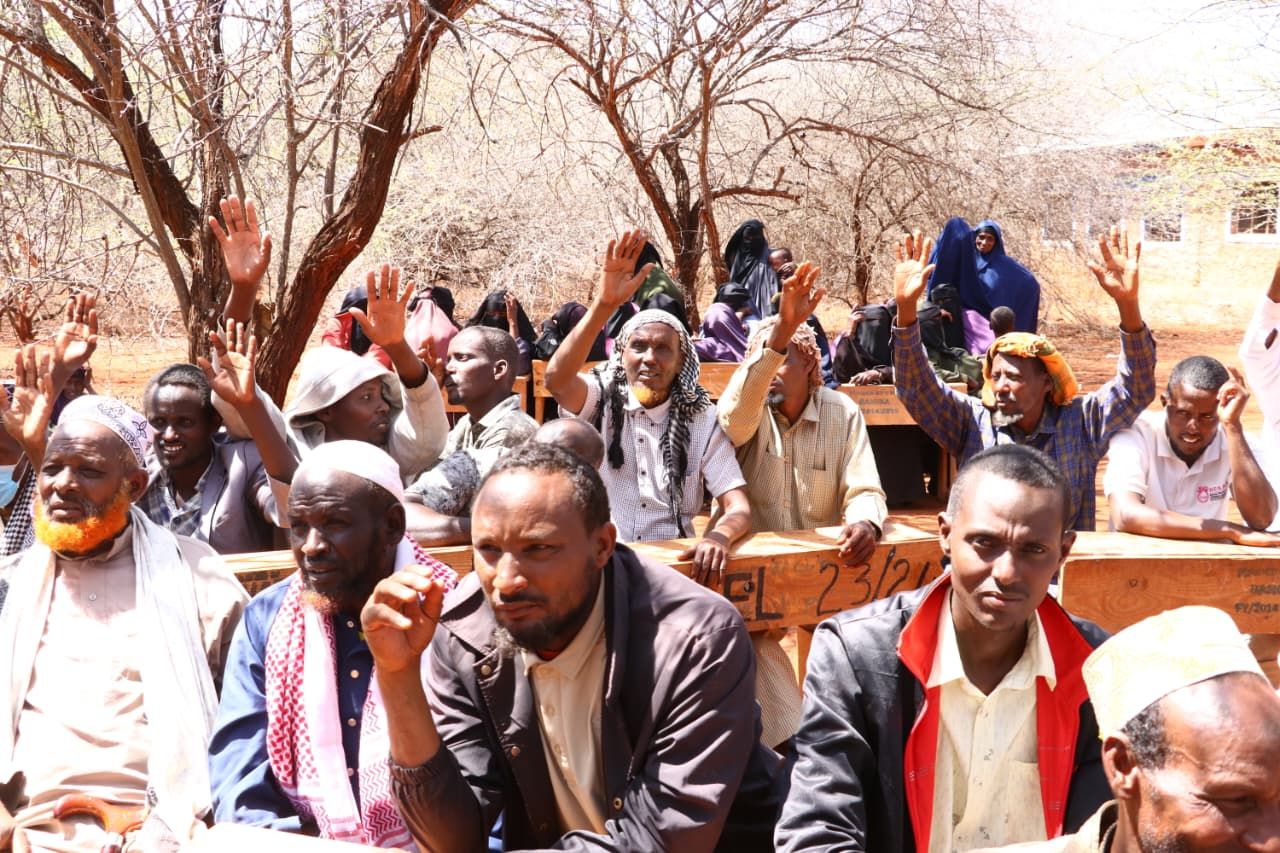
They were joined by members of the Inter-Village Dialogue Spaces representing all 14 villages in the Banisa–Guba–Merille corridor, as well as elders, religious leaders, women, youth, and local administrators.
After hours of consultations, the dialogue resulted in several critical resolutions: an immediate cessation of hostilities, the reopening of the contested Merille water point for shared access, and a commitment to pursue blood compensation discussions through county conflict-resolution mechanisms.
Security agencies were also directed to accelerate the apprehension of the perpetrators to ensure individual accountability rather than communal blame.
The success of the mediation underscores BORESHA–NABAD’s emphasis on community-driven peacebuilding, an approach that recognises that durable solutions must be shaped by the people most affected.
By empowering grassroots structures and strengthening local dialogue platforms, the programme continues to support long-term reconciliation and resilience across Mandera’s conflict-prone areas.
As drought persists and competition over scarce resources intensifies, stakeholders say such locally anchored interventions will remain essential in preventing violence and promoting peaceful coexistence in the region.