
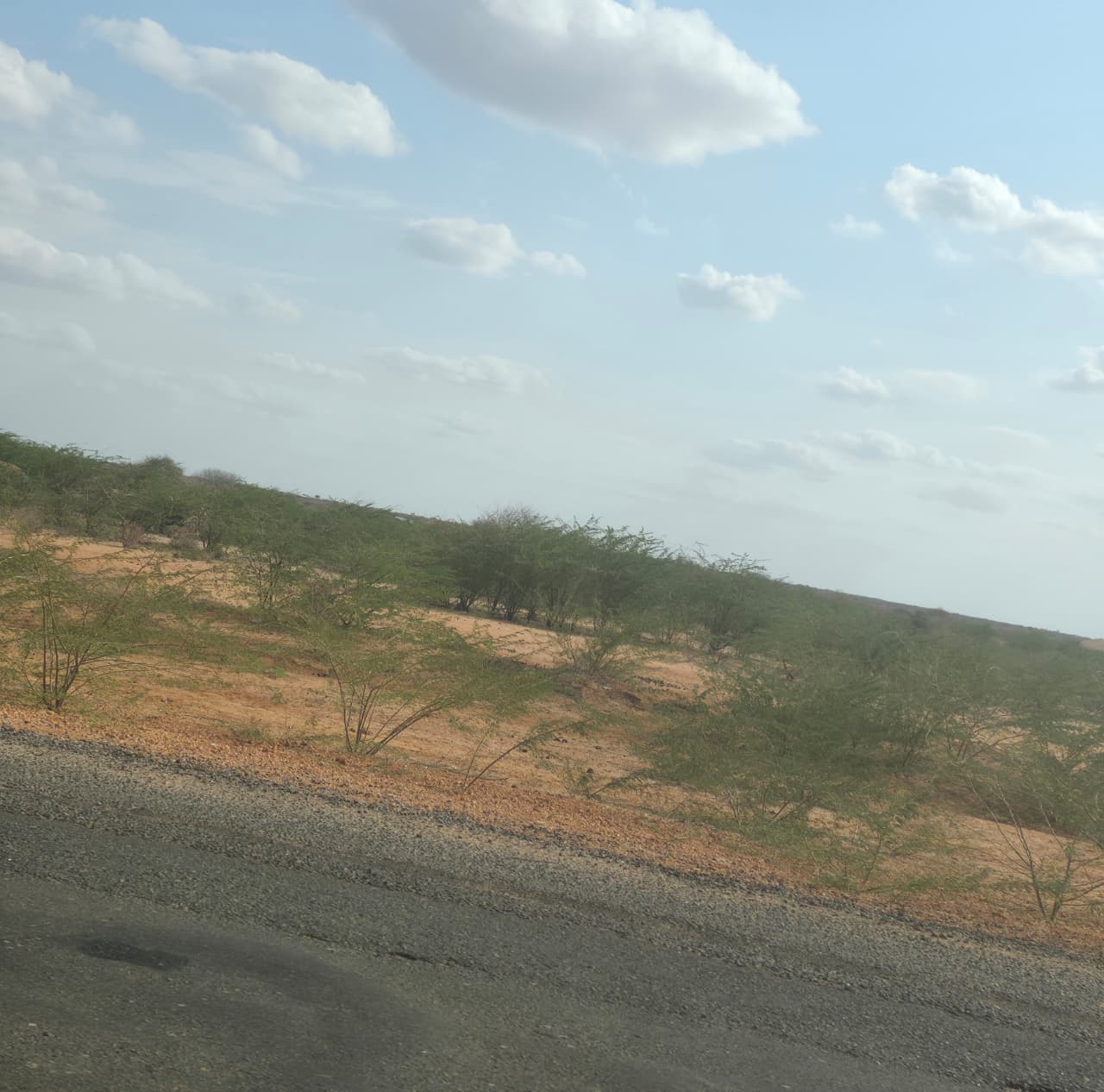
According to an opinion piece published on earth.org, a silent ecological crisis is spreading across the world’s rangelands as invasive plant species take over millions of hectares of grazing land, threatening pastoralist livelihoods, livestock production, biodiversity and global food security.
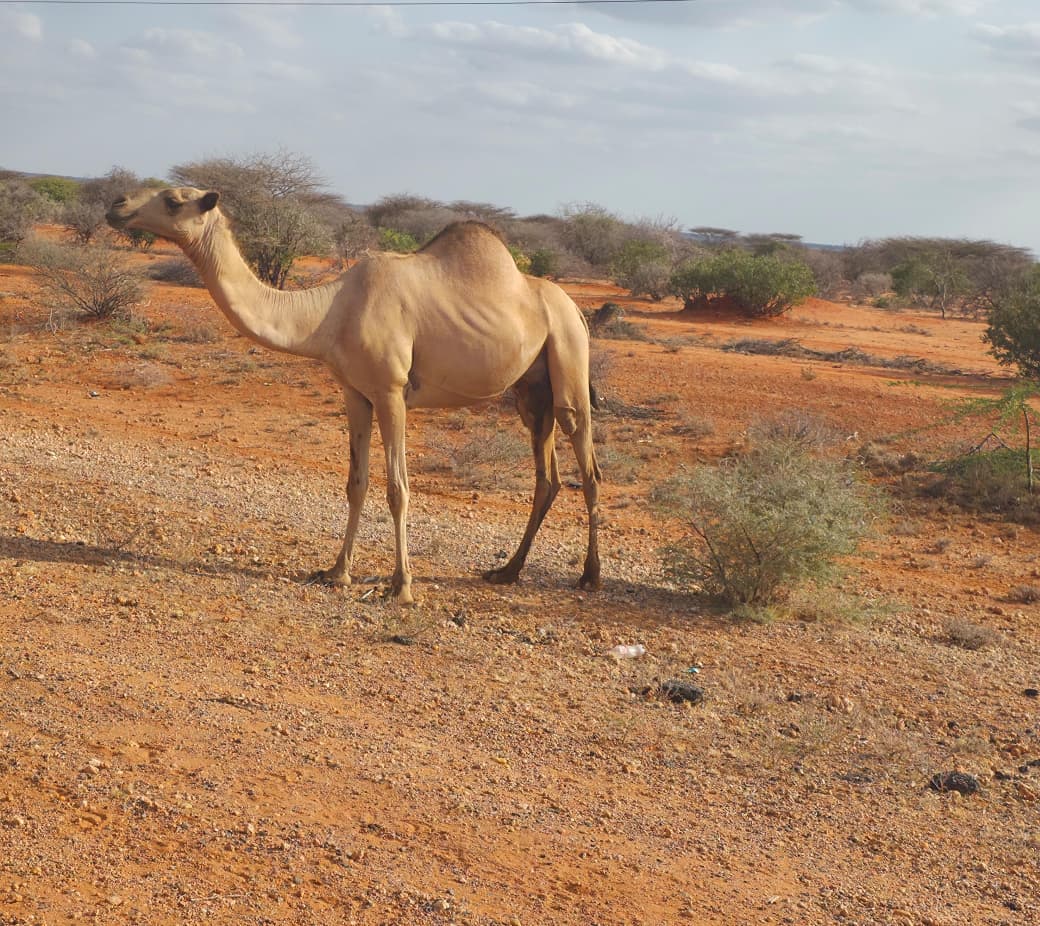
Rangelands cover approximately half of the Earth’s land surface and support the livelihoods of an estimated 500 million pastoralists. These landscapes also sequester carbon, regulate water cycles and provide habitats for diverse wildlife, including many of the world’s protected large animal species.
Despite their importance, rangelands are increasingly being overwhelmed by non-native plants that disrupt natural ecosystems. Although invaded areas may appear green, lush and even attractive, the vegetation often conceals severe environmental and economic damage.
Invasive plants suppress native vegetation, reduce access to water and grazing areas, and force livestock and pastoralist communities into increasingly confined spaces. Some species are toxic to animals, while others have sharp thorns that injure livestock and people. Plants with unusually high sugar content can also damage livestock teeth, affecting their ability to feed and survive.
These impacts undermine livestock productivity and threaten the food and income sources of millions of people who depend on pastoralism.
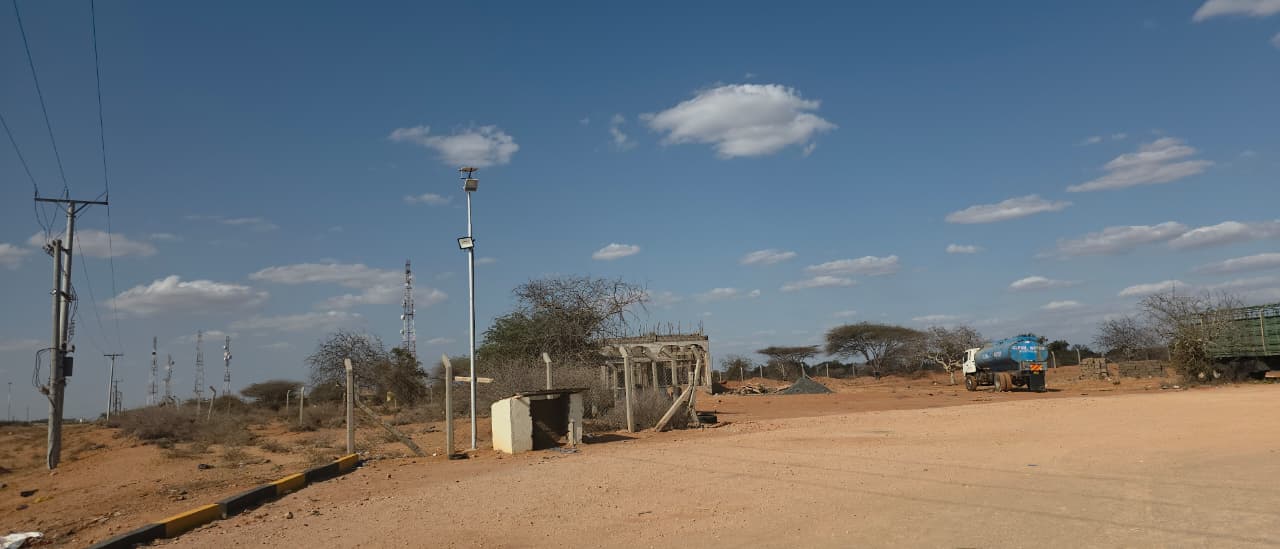
Some invasive species were deliberately introduced for agroforestry, soil conservation, ornamental purposes or animal fodder. Others arrived accidentally. Once established, they spread rapidly through wind, water, vehicles, human movement and livestock.
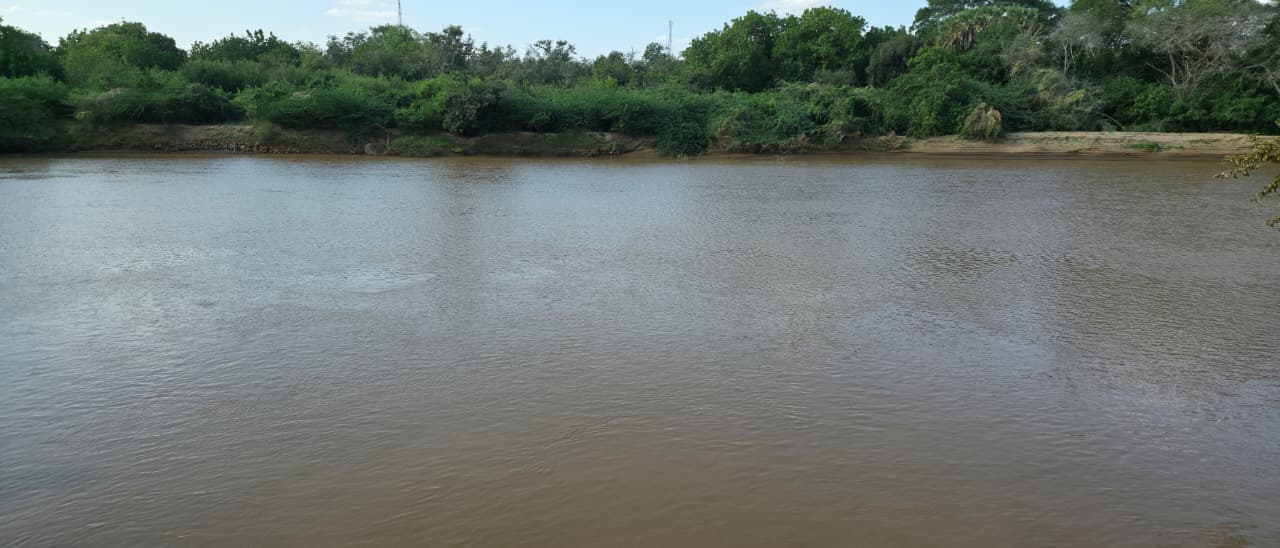
Riverbanks and transport corridors are particularly vulnerable. When invasive plants take over these productive areas, livestock are pushed onto the remaining grazing land, increasing pressure on native vegetation and accelerating overgrazing, soil erosion and land degradation.
The economic consequences are already substantial. In Ethiopia’s Afar Region, Prosopis has spread across millions of hectares, particularly along river valleys and transport routes. Its expansion reportedly caused approximately US$602 million in ecosystem-service losses over 31 years.
Across Africa, invasive species are estimated to cost the agricultural sector US$65.6 billion annually through reduced livestock and crop production, degraded grazing land and rising management costs.
Globally, the economic cost associated with invasive plants has quadrupled every decade since 1970. Without urgent intervention, those losses could reach trillions of dollars as invasive species continue spreading across agricultural areas, forests and rangelands.
Climate variability is expected to make the situation worse. Under a business-as-usual scenario, the number of alien species globally could be one-third higher by 2050 than it was in 2005.
However, efforts to manage the crisis remain inadequate. Many governments, environmental agencies and land users have not taken sufficient action to prevent, monitor or control invasive plants.
The challenge is especially severe in communal rangelands where land-tenure security is weak. Communities may have little incentive to invest their limited time and resources in controlling invasive plants when their long-term rights to the land are unclear.
Although 196 countries had established national invasive-alien-species inventories by 2022, approximately 83 per cent still lacked the necessary legislation, regulations, financing or coordination systems to translate their commitments into measurable action.
Only a small number of countries voluntarily include invasive species in their Land Degradation Neutrality reporting. Making invasive plants a core indicator of land degradation would help reveal the true scale of the problem and encourage greater policy attention and investment.
The United Nations Convention to Combat Desertification’s 17th Conference of the Parties in Mongolia provides an important platform for governments to confront the threat. Leaders have an opportunity to strengthen global monitoring, mobilise coordinated action and recognise invasive species as an official indicator of landscape degradation.
Beyond monitoring, governments and development partners must invest in stronger communal land tenure, rangeland governance and sustainable land-management systems. Cross-border coordination will also be essential because invasive plants spread across national boundaries.
The next round of projects financed by the Global Environment Facility offers an opportunity to direct more resources towards preventing and controlling invasive species. Investments in pastoralist food systems and climate resilience should similarly recognise invasive plants as a priority area requiring sustained intervention.
Effective action must also involve the communities living with the problem. Pastoralists are often the first people to identify new invasive species, yet they are frequently the last to receive the knowledge, resources and technical assistance needed to control them.
Training pastoralists, giving them access to appropriate technologies and control methods, and providing incentives for long-term management could determine whether interventions succeed or fail.
For years, green vegetation has often been interpreted as evidence of a healthy environment. However, lush growth does not necessarily mean an ecosystem is thriving. Invasive plants can create the appearance of productivity while silently destroying native biodiversity, grazing resources and water systems.
Monitoring, investment and community-based governance must therefore form the foundation of a serious response to invasive plants. Without decisive global action, the continued spread of these species could undermine pastoralist livelihoods, weaken food systems and cause the gradual disappearance of some of the world’s most important rangelands.
Dereje Wakjira has served as Director of the IGAD Centre for Pastoral Areas and Livestock Development since April 2022. He joined IGAD in February 2015 and has led projects supporting the IGAD Drought Disaster Resilience and Sustainability Initiative. He previously worked in Ethiopia’s forestry and natural-resources sector for 18 years with the Ethiopian government, the Worldwide Fund for Nature, the Frankfurt Zoological Society and other organisations.