
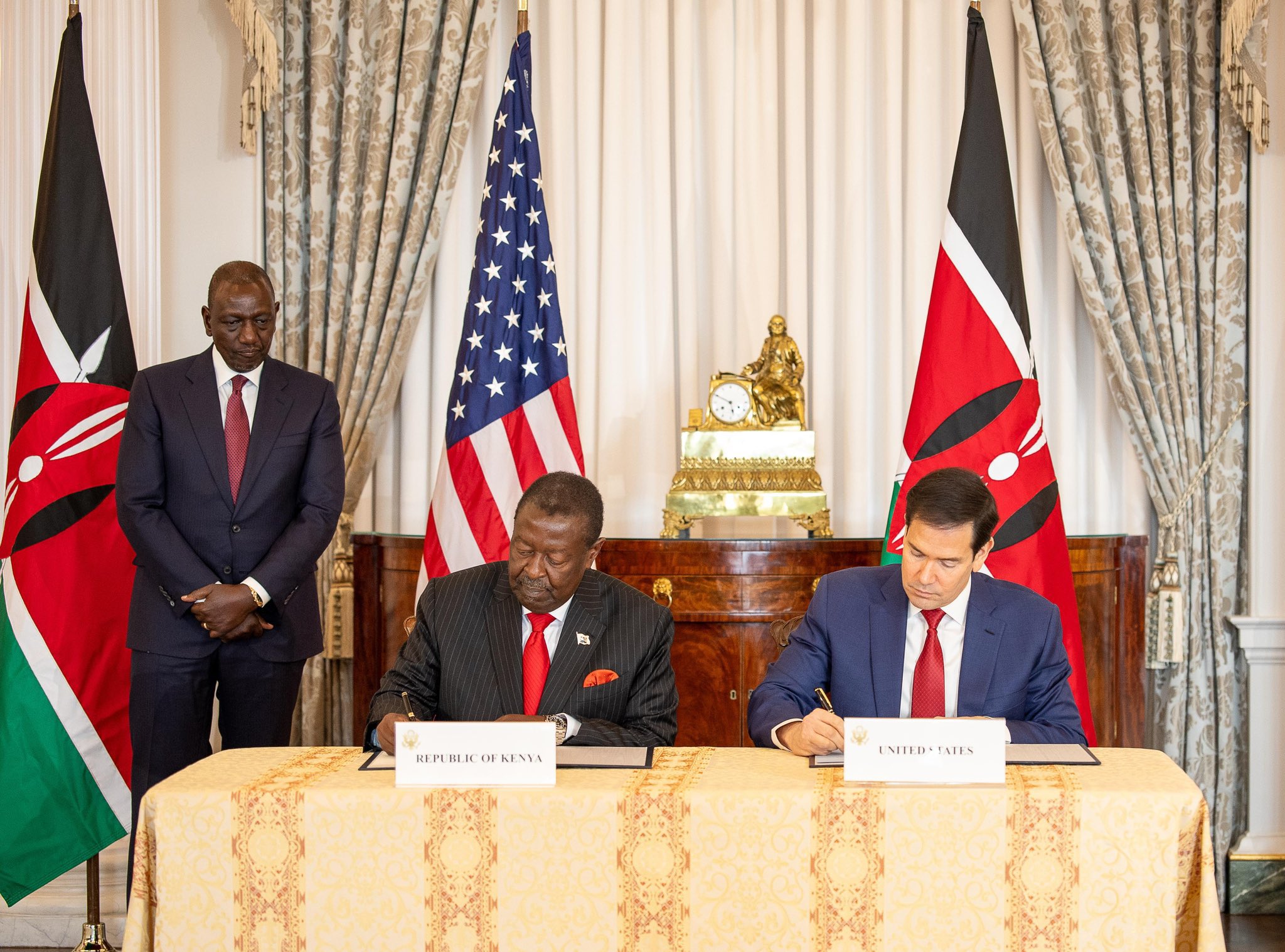
Kenya has entered a new chapter in its health sector after signing a landmark five-year, $2.5 billion Health Cooperation Framework with the United States, the first major bilateral agreement forged under President Donald Trump’s sweeping overhaul of America’s foreign aid system.
The deal, signed in Washington, D.C. by Kenya’s Prime Cabinet Secretary Musalia Mudavadi and U.S. Secretary of State Marco Rubio, with President William Ruto in attendance, marks a decisive shift away from NGO-driven aid toward direct government-to-government cooperation. It is one of the largest health investments Kenya has received in more than a decade.
The agreement comes against the backdrop of a dramatic restructuring of the U.S. global aid architecture. On his first day in office in January 2025, President Trump froze foreign aid, initiated a government-wide spending review, and dismantled the U.S. Agency for International Development (USAID) the primary institution through which American development assistance had been routed for more than six decades.
The collapse of USAID triggered sharp reductions in the availability of essential drugs in many developing countries and forced a renegotiation of how the U.S. delivers global health funding. In September, the administration unveiled the “America First Global Health Strategy,” a policy that ties U.S. support to direct negotiations with national governments, reducing reliance on international NGOs.
It is within this new policy environment that Kenya became the first African country to secure a structured bilateral health agreement under the revised system.
Rubio: “We’re not doing this anymore.”
At the signing ceremony, Secretary of State Marco Rubio made it clear that Washington was abandoning what he described as an inefficient, fragmented model of donor funding.
“We’re not doing this anymore,” Rubio said, referring to past reliance on foreign NGOs.
He added that the new framework aims to “strengthen U.S. leadership and excellence in global health while eliminating dependency, ideology, inefficiency, and waste from our foreign assistance architecture.”
Rubio’s comments underscore a central plank of the new U.S. approach: money must flow directly to governments capable of managing it transparently, not to intermediary organisations.
Ruto: “Every shilling and every dollar will be spent efficiently.”
President William Ruto welcomed the pact as a milestone in Kenya’s ambition to modernise its health systems and place national institutions at the heart of donor-funded programs.
“I assure you that every shilling and every dollar will be spent efficiently, effectively, and accountably,” Ruto said.
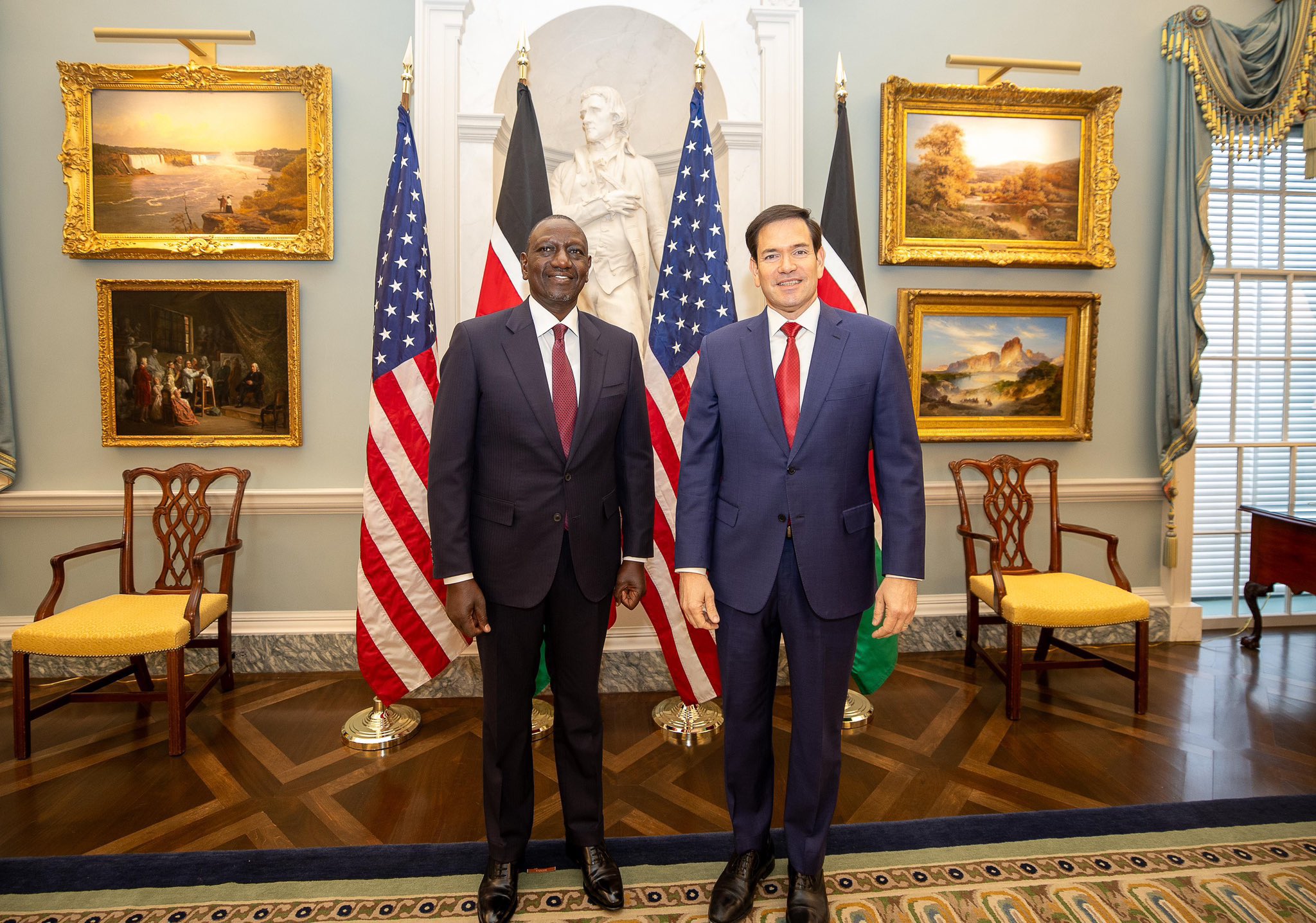
The Kenyan government will contribute approximately $850 million (KSh 110 billion) over five years, while the U.S. will invest about $1.6–1.7 billion.
This marks a fundamental departure from decades of donor-led pilot projects, parallel systems, and NGO-driven programs that often bypassed national structures.
Concerns Over Health Data Access, and Kenya’s Response
The bilateral nature of the deal has raised public concerns that the U.S. could gain real-time access to Kenya’s sensitive health databases, including information on HIV, maternal health, TB, and other patient records.
Health Cabinet Secretary Aden Duale moved swiftly to address the fears.
“Your health data is a national strategic asset. Under the new US–Kenya Framework, all data sharing follows Kenyan laws. Only de-identified, aggregated data is shared,” Duale said.
He reaffirmed that any data exchange must be approved by both the Digital Health Authority and the Data Protection Commissioner.
Kenya’s Data Protection Act and Digital Health Act remain fully in force under the new arrangement.
A Policy Test Case for Africa
As the first country to sign such a deal under Trump’s reengineered global aid strategy, Kenya is now viewed as a test case for a new model of development cooperation that prioritizes national sovereignty, transparency, and direct accountability.
Analysts say the pact could reshape the future of health financing in Africa, especially if the U.S. proceeds with similar agreements in countries aligned with its strategic goals.
The agreement also underscores Kenya’s growing diplomatic influence and Washington’s recognition of Nairobi as a stable and strategic partner in the region.
A Turning Point in U.S.–Africa Cooperation
With the dismantling of USAID and the introduction of the America First Global Health Strategy, the traditional donor landscape is undergoing its steepest transformation in decades. Kenya, by securing this deal early, has positioned itself at the forefront of that shift.
If implemented effectively, the framework could strengthen Kenyan institutions, stabilise health commodity supplies, improve data systems, and enhance long-term planning marking a significant step in Kenya’s journey toward health system self-reliance.