
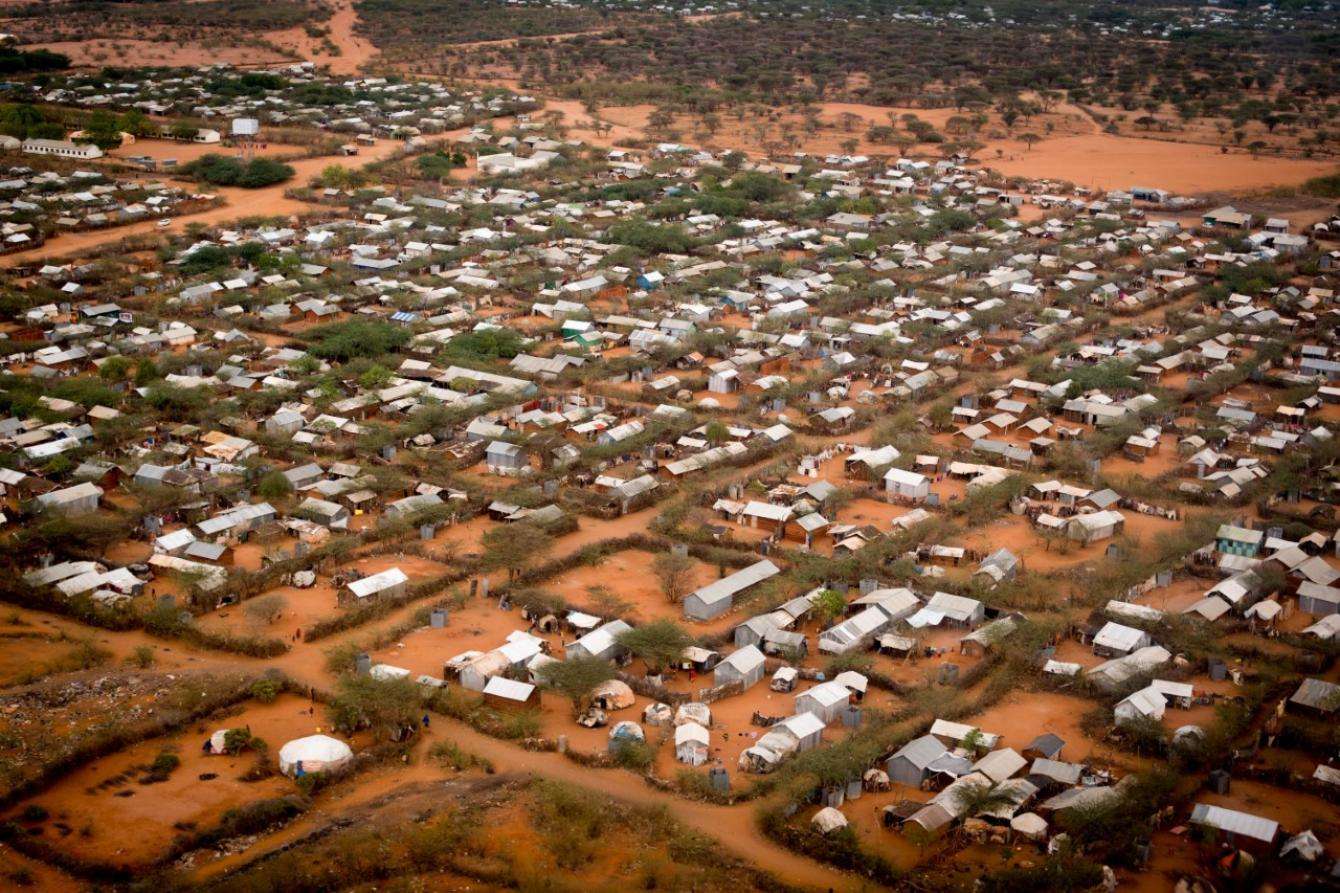
Kenya has restated its commitment to a 12-year refugee integration plan, even as the number of refugees and asylum seekers in the country rises to 860,000, one of the highest figures in Africa.
Interior Cabinet Secretary Kipchumba Murkomen made the remarks during the opening session of the IGAD Support Platform for the Global Compact on Refugees (GCR) in Nairobi, where he underscored the urgency of implementing the government’s 2035 integration blueprint.
Launched in March this year, the plan aims to support socio-economic empowerment and long-term self-reliance for both refugees and the communities that host them.
Murkomen said the initiative marks a shift toward transforming refugee camps into integrated and sustainable settlements, guided by principles of cooperation, equitable burden-sharing, and regional solidarity.
“We must confront the reality that many children were born here and know no other home,” he said.
“It becomes extremely difficult to tell such a person that this is not their home simply because they lack documentation. Our thinking must shift, are we truly one Africa, one people, or do we remain bound by borders that prevent us from caring for our own?”

The CS noted that integration becomes more challenging when refugees fear competition over limited resources.
He urged African governments to invest in development that reduces the need for displacement in the first place.
Global displacement has now reached unprecedented levels, with more than 122 million people forcibly uprooted worldwide, around six million from the IGAD region alone.
Murkomen warned that the pace of displacement is outstripping available solutions, leaving millions in protracted crises with few opportunities to rebuild their lives.
“Conflicts within and beyond our borders continue to generate new waves of displacement, while climate change and economic shocks further strain national capacities,” he said.
“Host communities are carrying immense responsibilities during extremely challenging times.”
The CS urged participants to focus on easing pressure on host countries, enhancing refugee self-reliance, expanding opportunities for third-country resettlement, and supporting safe, dignified returns where possible.
“These objectives remain as relevant today as they were seven years ago,” he said, calling for stronger regional and global action.
Refugee-hosting areas across the IGAD region continue to face rapid population growth, environmental degradation, overstretched services, and dwindling humanitarian funding.
Murkomen warned that recent funding cuts threaten to reverse progress made under previous regional efforts.