
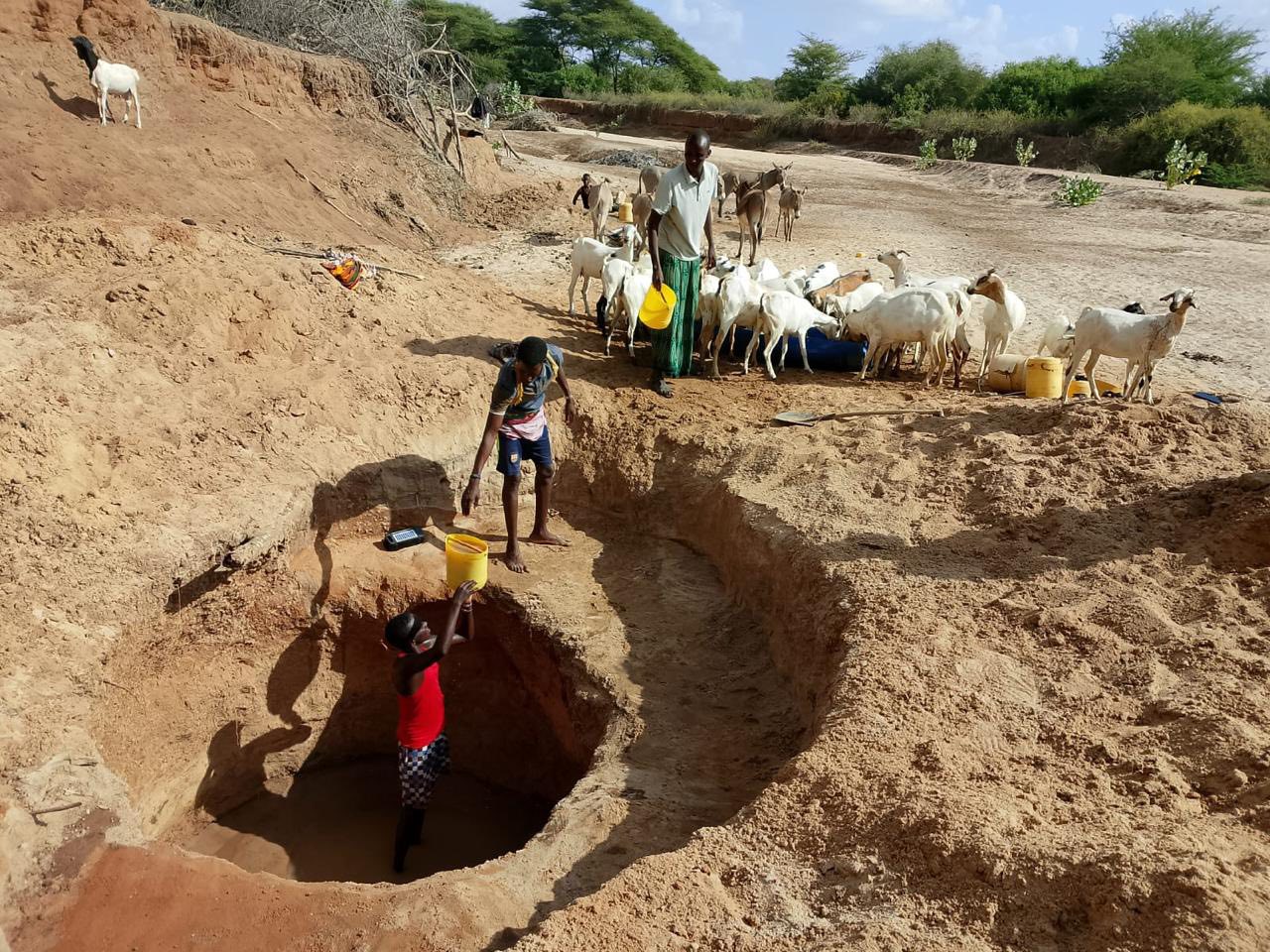
The Kenya Red Cross Society has intensified its humanitarian operations across drought-affected regions, reaching thousands of vulnerable households with emergency water, food, nutrition, and cash assistance as the crisis deepens in the Arid and Semi-Arid Lands.
Recent assessments indicate that more than two million people are in urgent need of support in counties severely affected by prolonged dry conditions, including Marsabit, Mandera, Wajir, Garissa, Isiolo, Samburu, Turkana and Baringo.
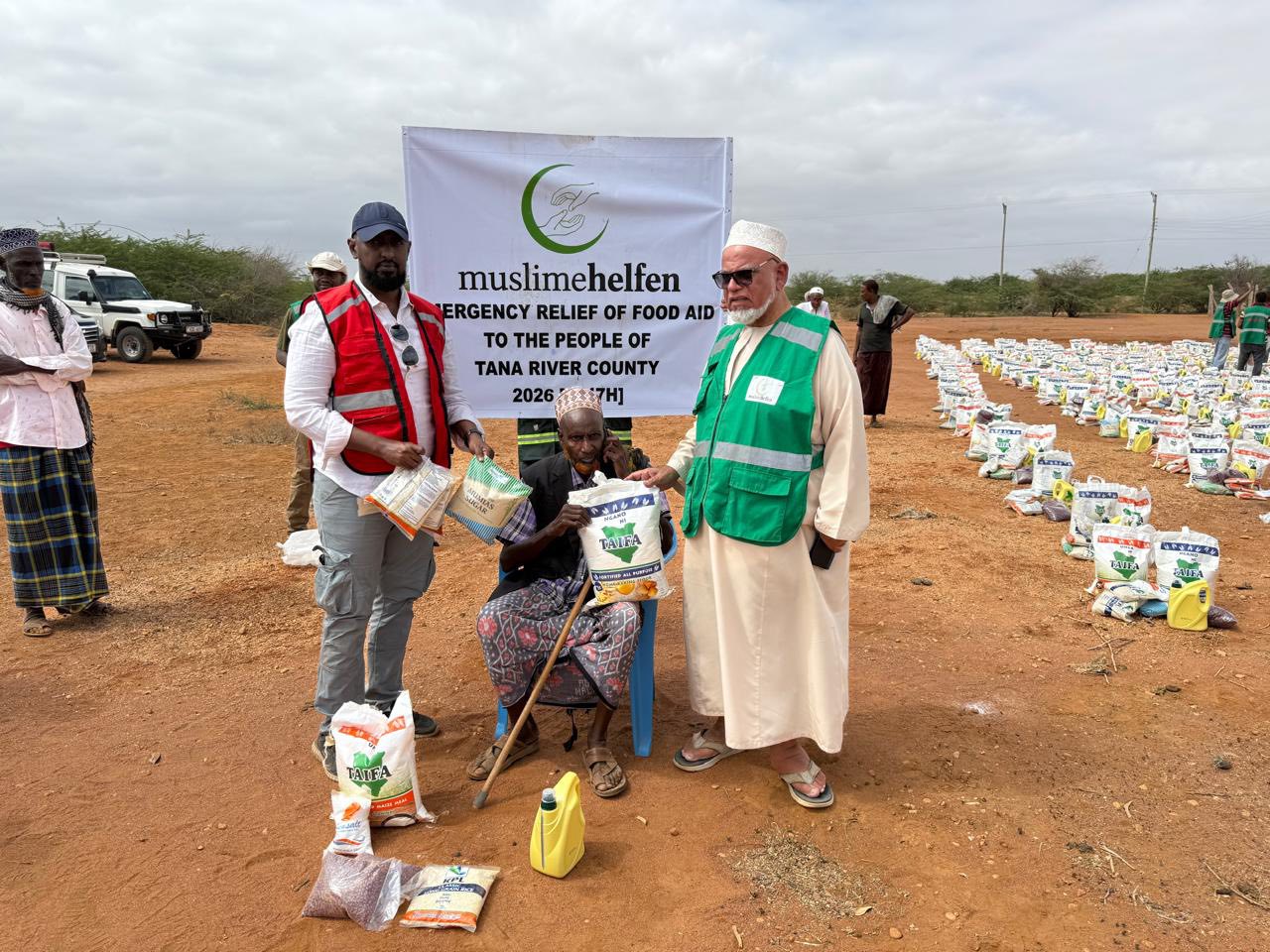
The worsening situation has heightened concerns over food insecurity, malnutrition and limited access to safe water, particularly among children and pregnant or breastfeeding women.
Humanitarian indicators paint a stark picture of the crisis. An estimated 784,000 children are malnourished, including about 194,000 classified as severely malnourished, while approximately 134,000 pregnant and breastfeeding women are also affected.
In addition, around 300,000 households, equivalent to roughly 1.5 million people, require urgent water support, with many families forced to walk an average of seven kilometres in search of water.
In response, the Kenya Red Cross, working alongside its partners, has scaled up emergency interventions to cushion the affected communities and prevent further deterioration of their livelihoods.
Through water trucking operations alone, 63,024 people have been supplied with safe water, while 65 boreholes have been rehabilitated to restore sustainable access in hard-hit areas.
The organisation has also identified 216 additional water systems in need of repair as part of ongoing efforts to stabilise the water supply.
Food and nutrition support has reached 108,790 people, including 15,645 children under the age of five and 2,772 pregnant and breastfeeding women, helping to address immediate dietary needs and reduce the risk of severe malnutrition.
Complementing these measures, 5,400 households have received cash assistance to enable families to meet essential needs with dignity and flexibility amid rising economic pressure.
The scale of humanitarian need reflects the growing severity of drought linked to repeated failed rainy seasons and broader climate variability affecting northern and parts of central Kenya.
Aid agencies warn that without sustained support, the number of people requiring assistance could rise further, particularly if upcoming rains underperform.
The Kenya Red Cross has reiterated the importance of continued collaboration between government, humanitarian partners and communities to expand life-saving interventions, strengthen resilience and protect vulnerable populations from the long-term impacts of recurring climate shocks.