
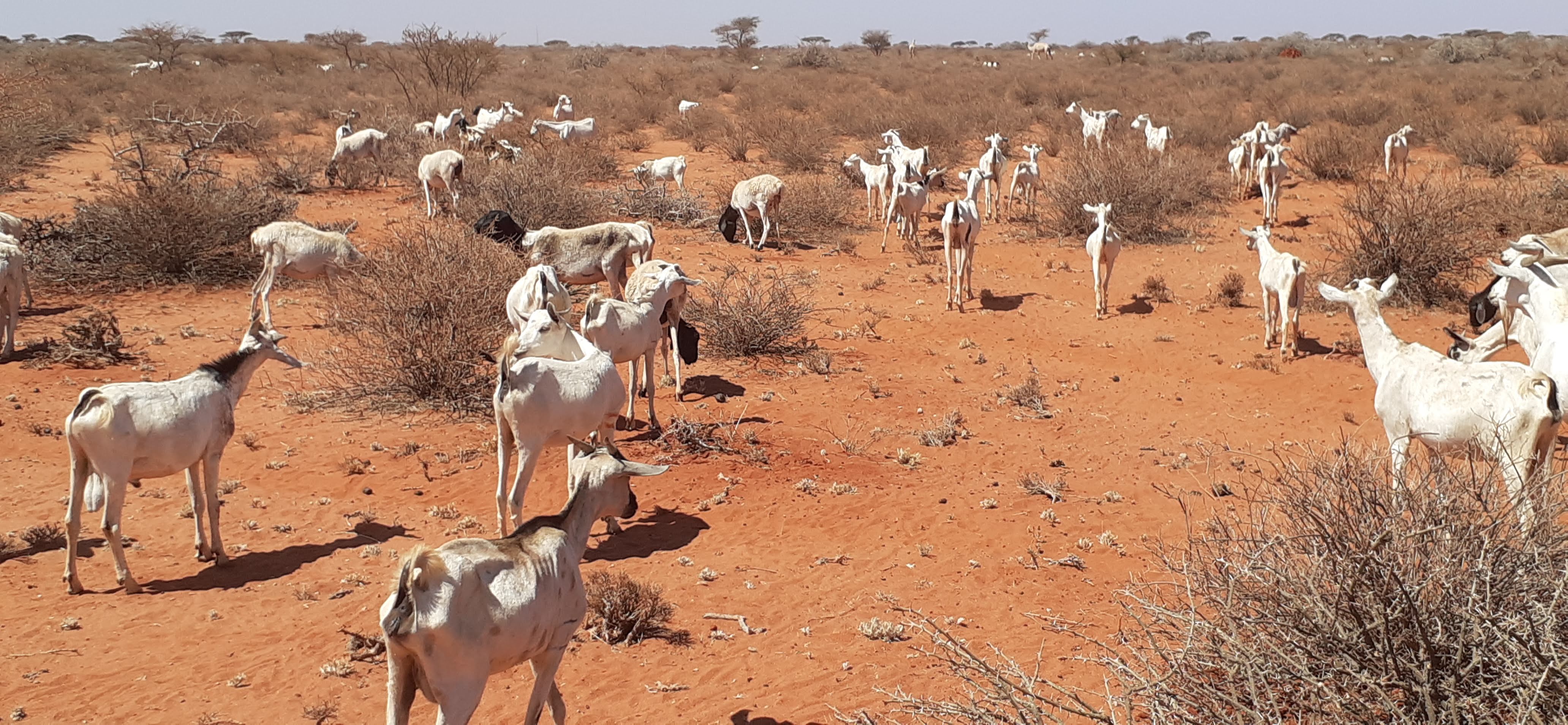
Drought conditions across Kenya continue to deteriorate, leaving nearly two million people facing acute food insecurity as water sources dry up, livestock weaken, and malnutrition rises, particularly in arid and semi-arid counties.
According to the Kenya Red Cross Society (KRCS), families in hard-hit areas such as Marsabit, Samburu, Garissa, and parts of Wajir and Mandera are surviving on just one small meal a day.
Milk production has dropped sharply as livestock lose condition, further threatening the nutrition and health of children who rely on it as a primary food source.
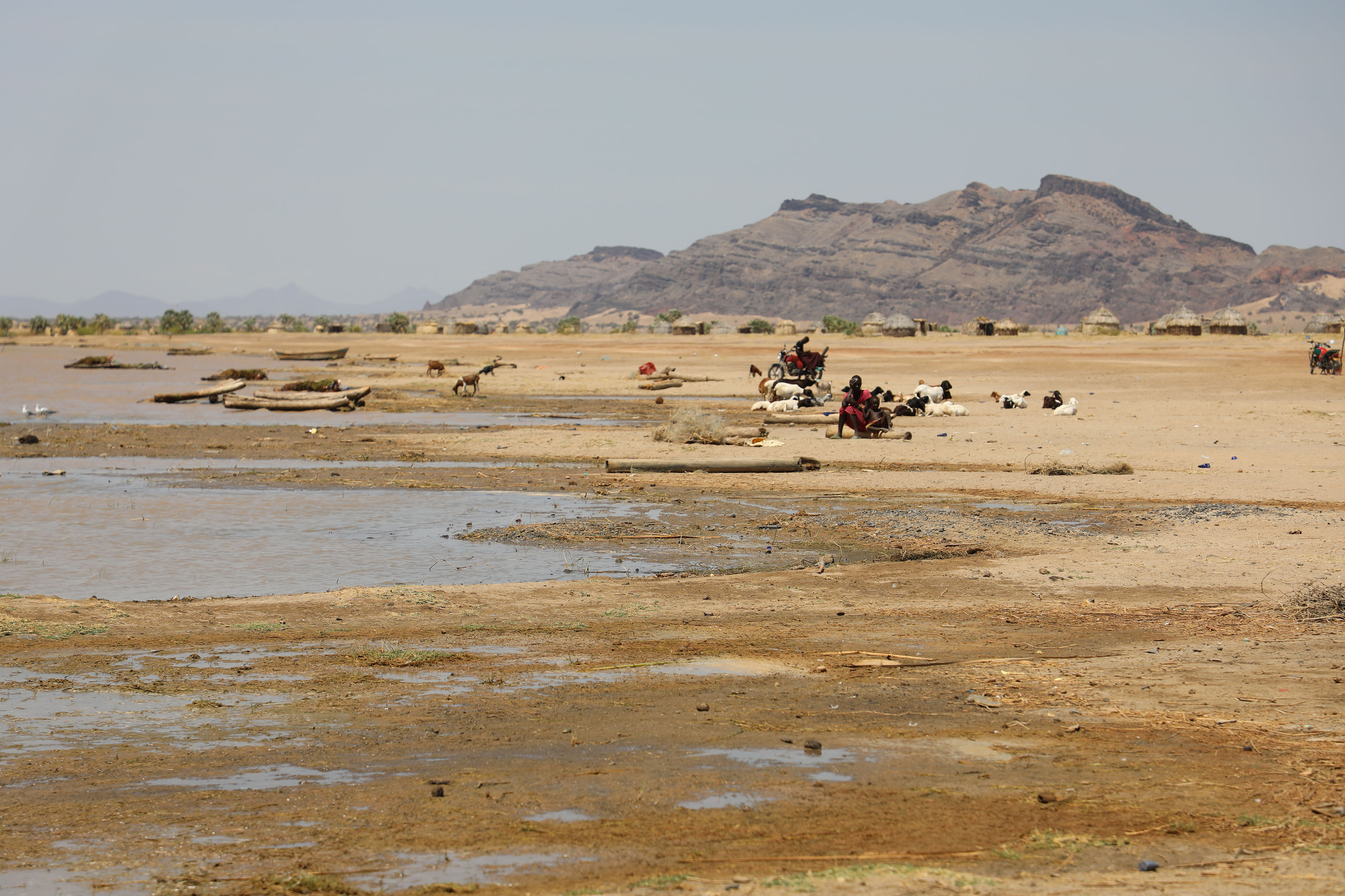
With water pans emptying and boreholes increasingly strained, communities are trekking longer distances in search of drinking water.
The worsening shortages are also affecting sanitation and heightening health risks, particularly in remote areas where humanitarian funding cuts have disrupted primary healthcare outreach.
In response, Kenya Red Cross teams are on the ground delivering relief supplies, cash transfers and early-action interventions across affected counties.
So far, 17,778 households in Garissa, Marsabit, Samburu, Tana River and Taita Taveta have received relief assistance.
Additionally, more than 5,000 vulnerable families in Wajir, Mandera and Turkana have benefited from cash support to help them buy food and essential supplies.
Despite these efforts, the humanitarian needs are rising faster than available resources.
KRCS warns that reduced funding is limiting outreach activities at a time when malnutrition cases are climbing, and water scarcity is expected to worsen.
“Even in the toughest times, we remain on the ground with communities,” the Society said, reaffirming its commitment to sustain lifesaving interventions as the drought emergency continues to escalate.
The Kenya Red Cross is calling for increased support to help prevent further deterioration and protect families already pushed to the brink by one of the harshest dry spells in recent years.