
Kenya has called for strengthened support from United Nations agencies to accelerate climate adaptation programmes for vulnerable urban communities, as the country intensifies its leadership in global climate action at the 30th Session of the Conference of the Parties (COP 30) in Belém, Brazil.
Speaking on behalf of President William Ruto, Deputy President Kithure Kindiki underscored Kenya’s commitment to advancing the Building Climate Resilience with the Urban Poor (BCRUP) Programme, a United Nations initiative co-led by Kenya and Brazil.
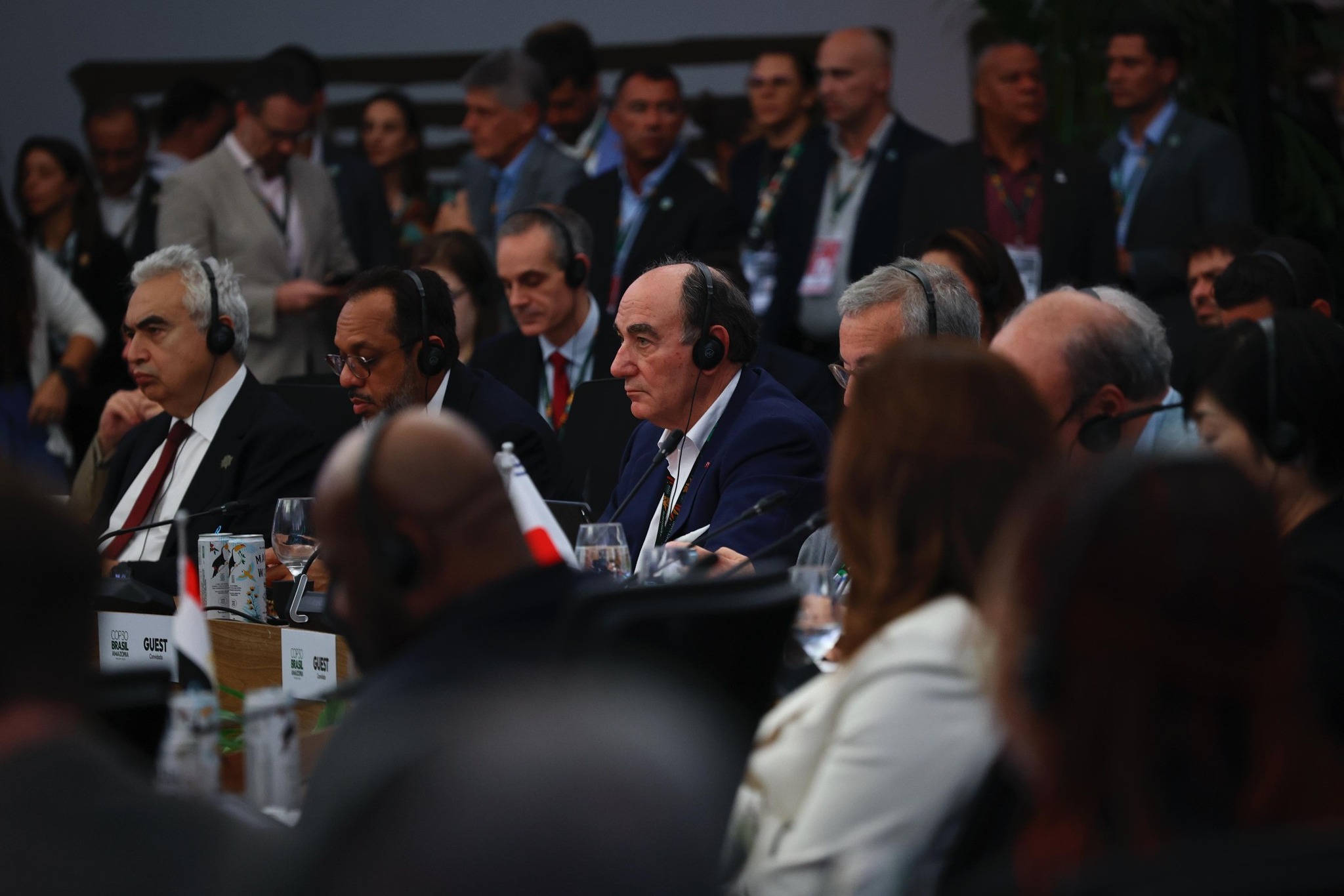
He said the programme seeks to enhance resilience for millions of urban poor residents, particularly those living in informal settlements disproportionately exposed to worsening climate risks.
“The Building Climate Resilience with the Urban Poor (BCRUP) Programme is an initiative of the United Nations (UN) to enhance the resilience of the urban poor populations particularly those residing in informal settlements with heightened exposure to adverse climate effects and disasters,” he stated.
Kindiki noted that President Ruto launched the initiative’s strategy at the 2023 African Climate Summit in Nairobi and its implementation plan during COP 28 in Dubai.
He held consultations with the UN Climate Action Team, UN-Habitat and the UNFCCC Secretariat, seeking stronger coordination and expanded support for countries implementing climate resilience measures for vulnerable populations.
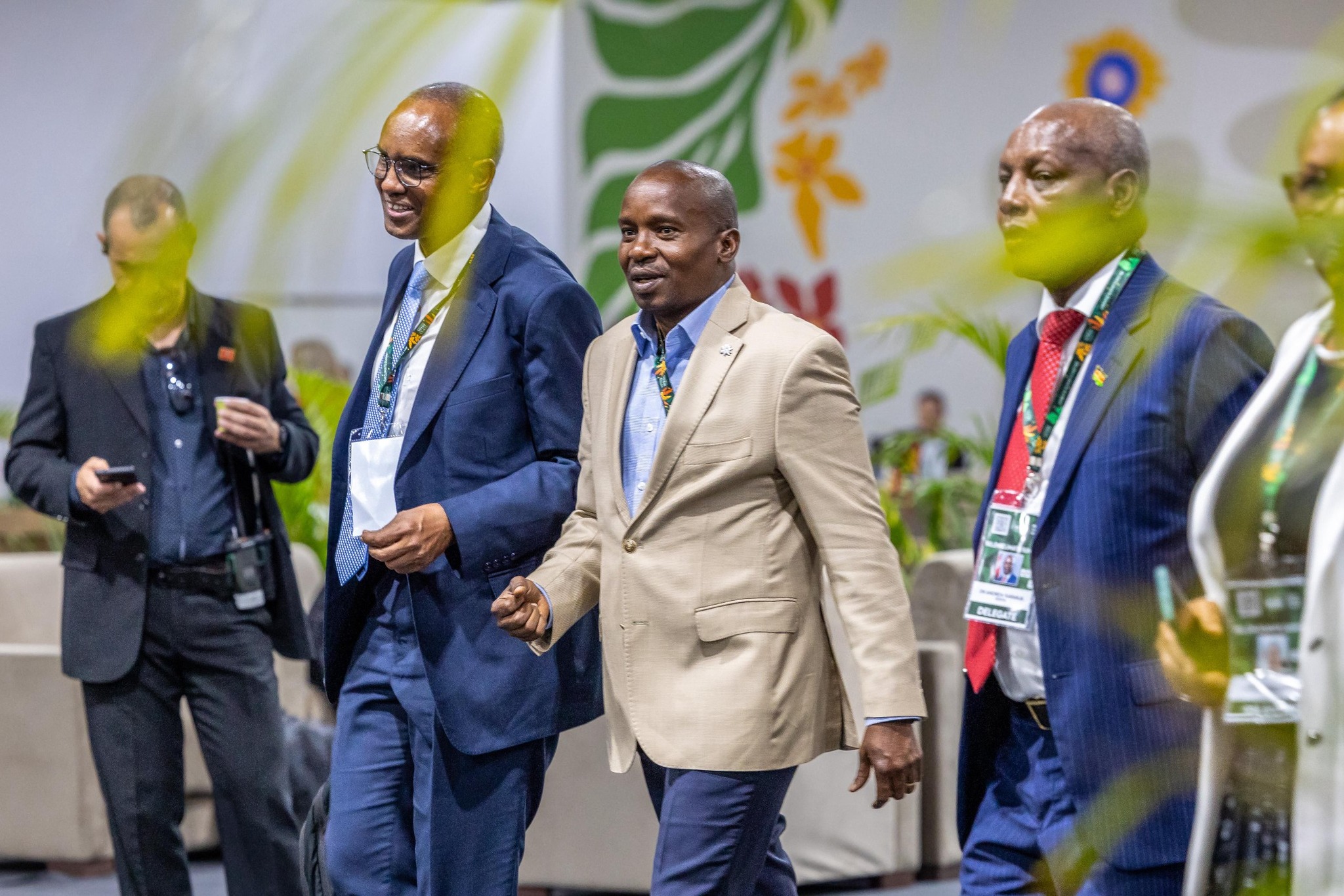
The second in command said Kenya is advocating for a more coherent and proactive role for UN agencies in delivering community-level climate adaptation solutions, enhanced national capacity to provide periodic reports to the UN General Assembly, and the development of a General Assembly resolution on climate resilience for the urban poor.
Kenya also pushed for the integration of BCRUP principles into the outcomes of COP 30 and the prioritisation of financing, technology transfer and capacity-building commitments to sustain adaptation programmes.
UN agencies commended Kenya’s domestically funded social housing programme in Nairobi and the Nairobi Rivers Regeneration Programme, describing them as among the most consequential climate resilience initiatives for the urban poor in the global south.
Kindiki further raised concerns that the world remains on a dangerous trajectory, with current Nationally Determined Contributions (NDCs) putting the planet on course for up to 2.7°C of warming.
He warned that Africa’s climate commitments face a massive financing gap.
“The process of realising Kenya and Africa's climate action commitments… is threatened by a 2 trillion dollar funding gap,” he said, stressing that filling the gap is “the non-negotiable floor for global solidarity.”
At a forum marking ten years since the Paris Agreement, Kenya urged developed countries to scale up climate finance, restructure it as grants rather than loans and prevent vulnerable nations from being burdened with unsustainable debt.
Kindiki cautioned that without reformed climate finance, developing countries could face “a climate induced sovereign debt crisis.”
Showcasing Kenya’s progress in clean energy, the Deputy President highlighted that 93 per cent of the country’s electricity is generated from renewable sources such as solar, wind and geothermal, earning global recognition.
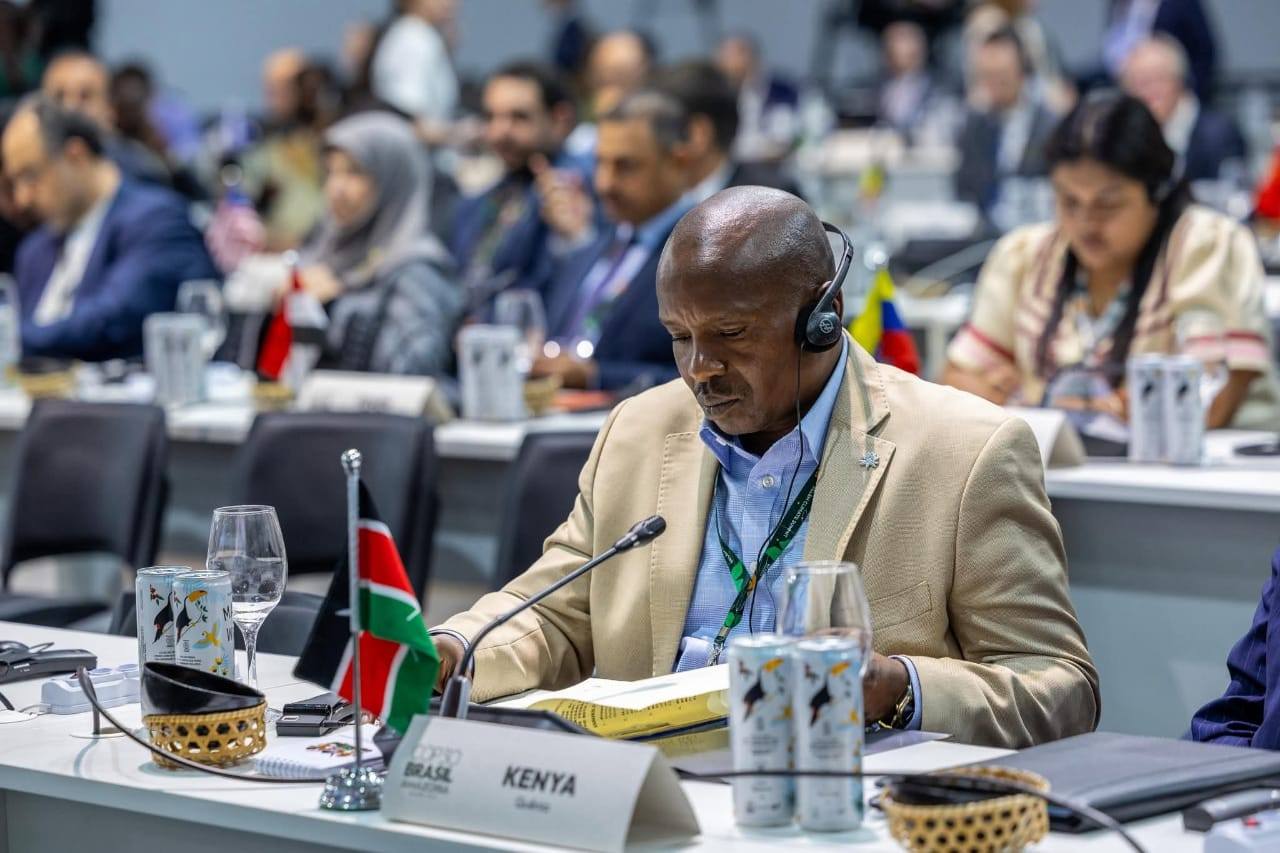
Kenya remains determined to achieve 100 per cent green energy by 2030, expand electricity access beyond the current 75 per cent and complete the phase-out of biomass cooking by 2028.
He said investments needed for the energy transition, estimated at 600 billion dollars, are being mobilised both domestically and globally.
During a Leaders’ Roundtable chaired by Brazil’s President Lula da Silva, Kenya called on COP 30 to address the outstanding global debate on fossil fuel phase-out, establish timelines for transition, invest in renewable energy and green minerals, and create a just transition framework.
Kindiki emphasised that Africa can play a transformative role in powering the global green transition, backed by vast renewable energy potential, critical mineral resources and a youthful population suited for manufacturing and innovation.
However, he said this potential can only be unlocked if climate finance pledges are honoured, global financial systems are reformed, and climate policies incorporate the empowerment of women, youth and farmers to ensure equitable benefits across communities and generations.
Representing Kenya at the Leaders’ Summit, Kindiki reiterated the country’s resolve to work with global partners to drive ambitious climate action and protect vulnerable urban communities from escalating climate threats.