
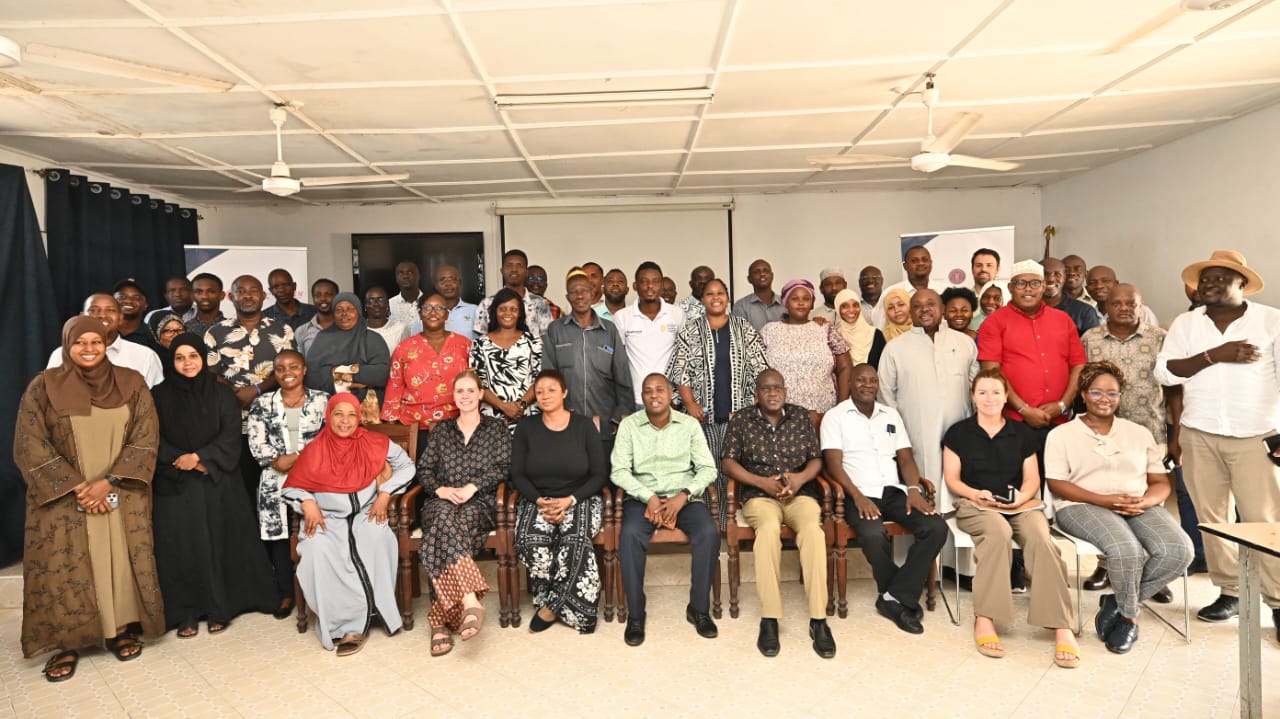
Lamu County has concluded a highly productive Inter-County Preventing and Countering Violent Extremism (P/CVE) Exchange Visit, which brought together delegations from Kilifi and Tana River, as well as security agencies, civil society actors, and development partners dedicated to advancing peace, security, and community resilience across the Coast Region.
The forum, coordinated by Action Life with support from the Dutch Embassy through a consortium of partners including Yashden and SDC under the National Counter Terrorism Centre (NCTC), focused on strengthening collaboration and enhancing county capacities in addressing violent extremism.
Participants shared innovative strategies, exchanged practical tools, and examined successful models that counties can adopt to improve their P/CVE frameworks.
The event was officially opened by Ms Khadija Fumo, Chief Officer for Public Service Management, who underscored the strong cooperation between the County Government of Lamu, national security agencies, development partners, and community-based organisations.
She reiterated Lamu’s unwavering commitment to zero tolerance for violent extremism, noting that sustained partnerships remain key to the progress the county has made in peacebuilding and resilience.
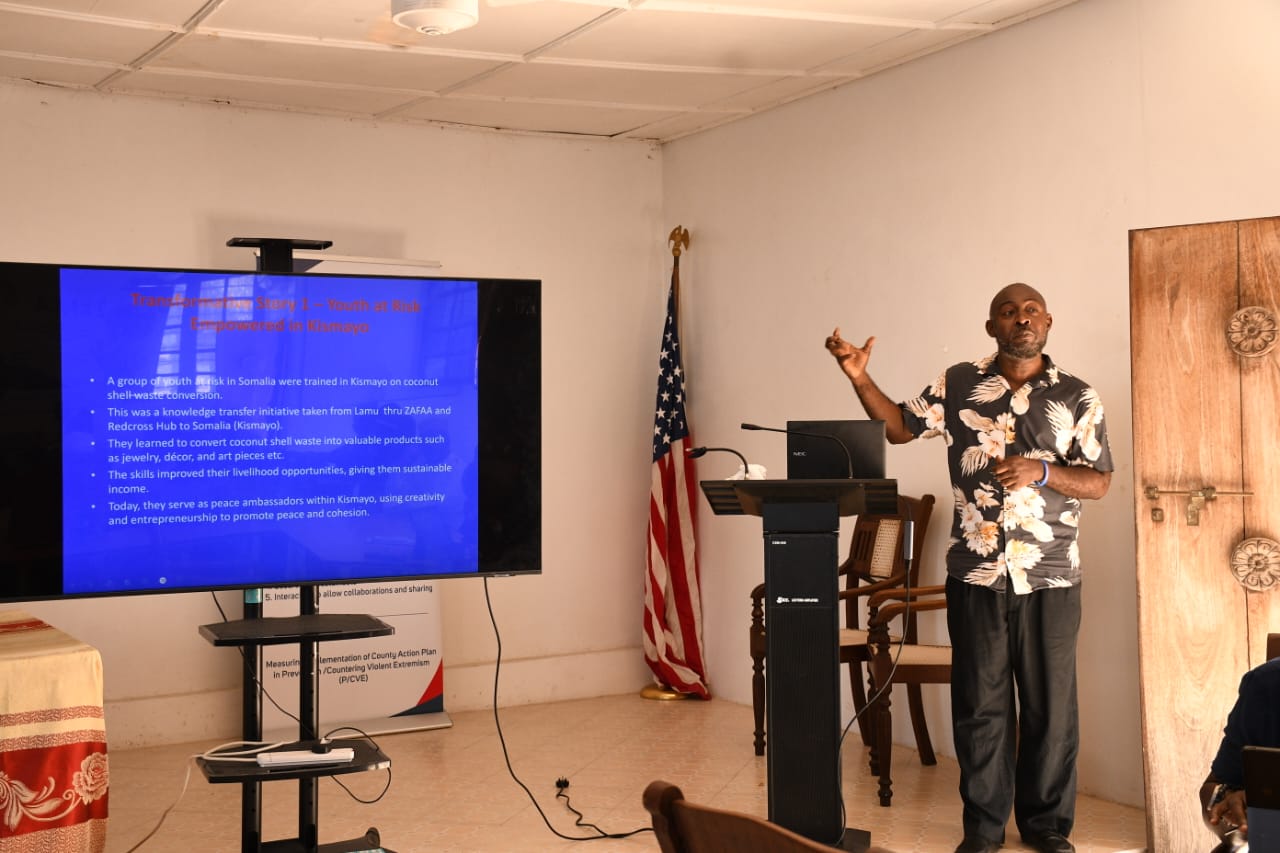
A session dedicated to storytelling highlighted inspiring initiatives led by Lamu peace actors.
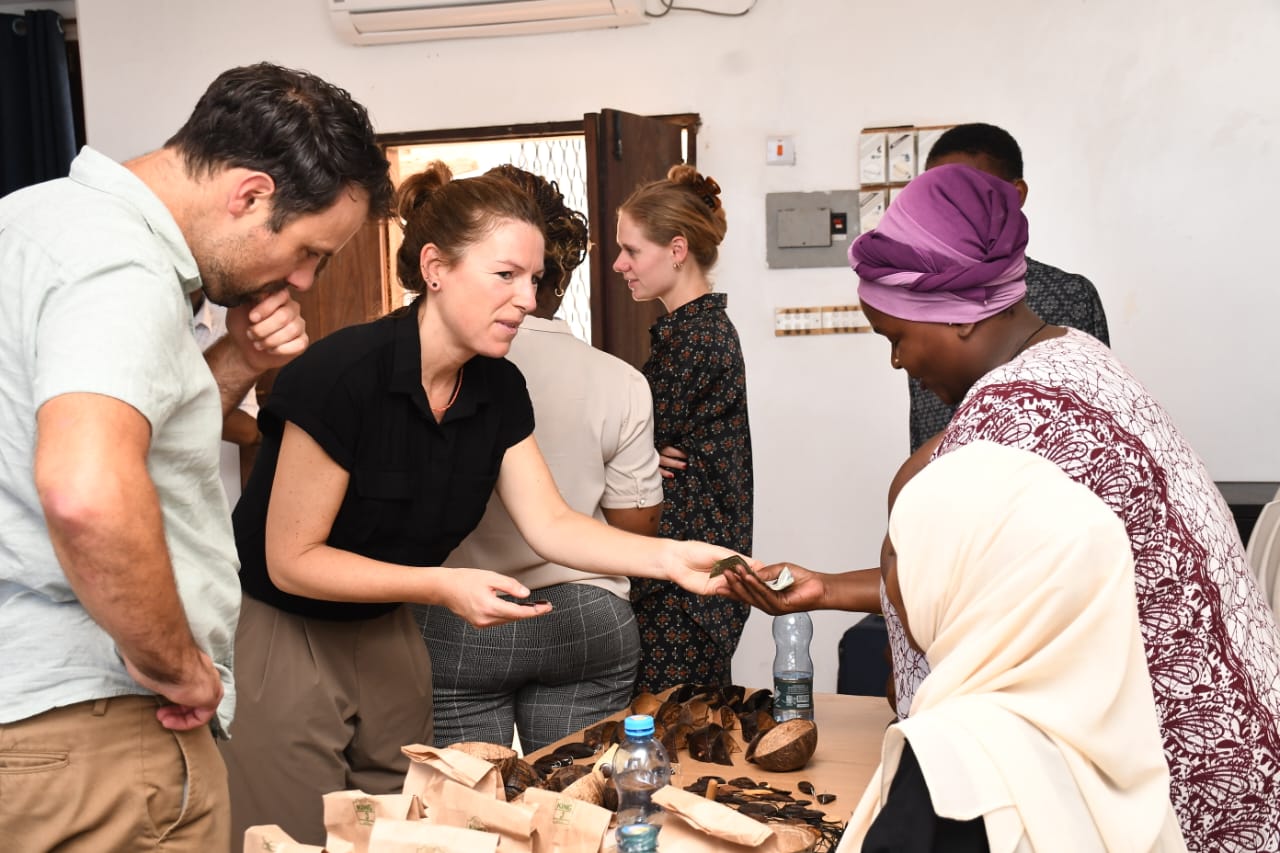
Shee Kupi Shee showcased a cross-border knowledge transfer program in which Lamu County trained at-risk youth from Somalia’s Kismayo region on coconut shell waste conversion.
The initiative equips young people with income-generating skills while strengthening cross-border cooperation and peace.
He also presented the Ushirika Plan in Kiunga, an innovative refugee-host integration model that has become a symbol of unity and community resilience.
Residents embraced the approach even before its formal rollout, demonstrating strong local ownership and commitment to coexistence.
Throughout the summit, participants engaged in detailed discussions on community-driven approaches to P/CVE, the improvement of early warning and early response systems, youth and women empowerment through livelihood initiatives, and enhanced cross-border collaboration.
Stakeholders also deliberated on ways to improve coordination among counties, civil society organisations, and national agencies to create a more cohesive regional response to security challenges.
The workshop was officially closed by the Tana River County Commander, who commended all counties and partners for their dedication to regional stability.
He emphasised that collaboration remains the most effective pathway to preventing violent extremism and promoting long-term peace across the region.