
Samburu Senator Lelegwe Ltumbesi has called for stronger protection of livestock and civilian property during security operations, proposing clear police instructions and independent investigations into reported losses.
In a personal position paper, Ltumbesi proposes verified compensation, relief and restocking support for pastoralist families affected by livestock losses during security operations.
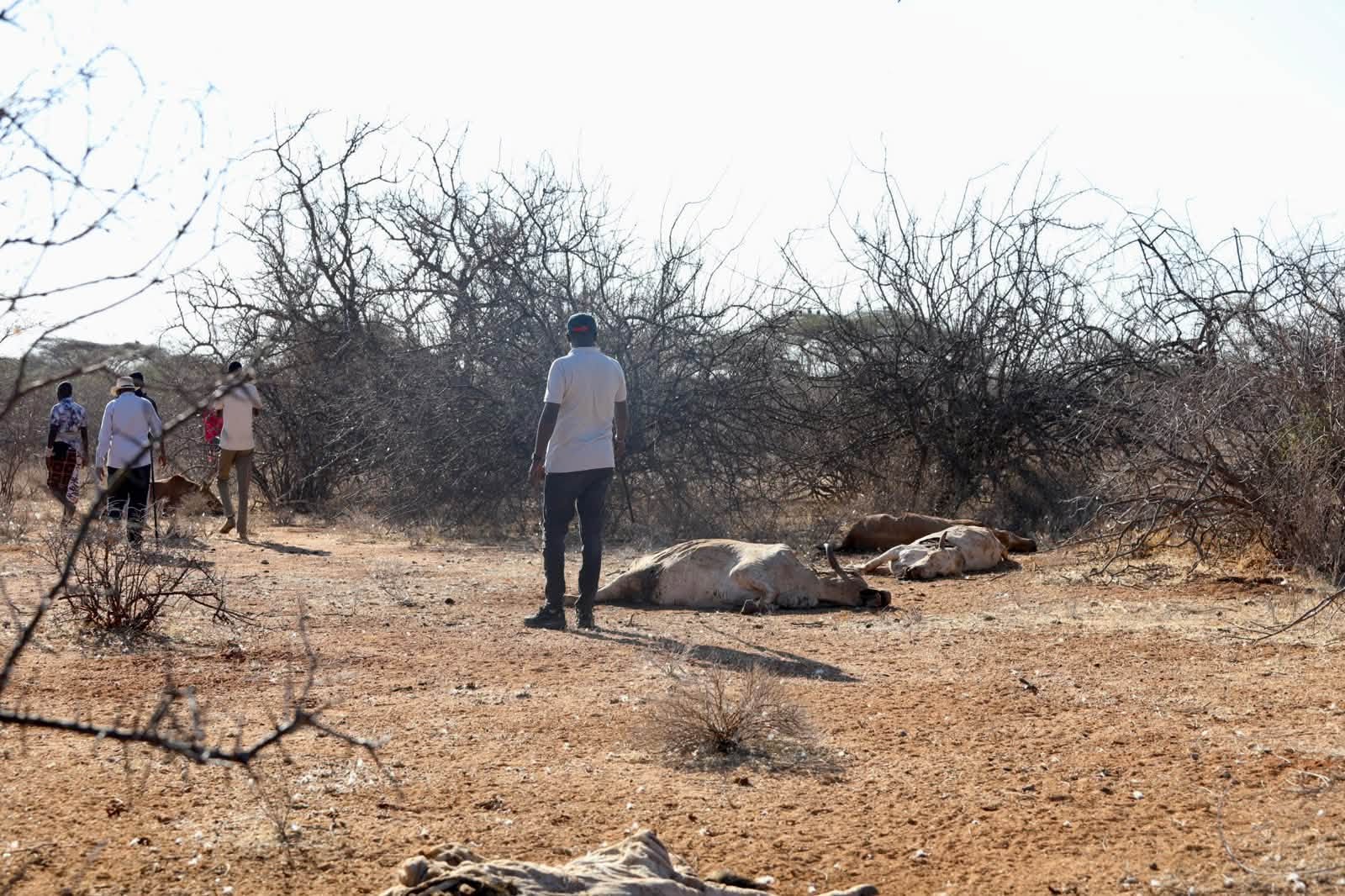
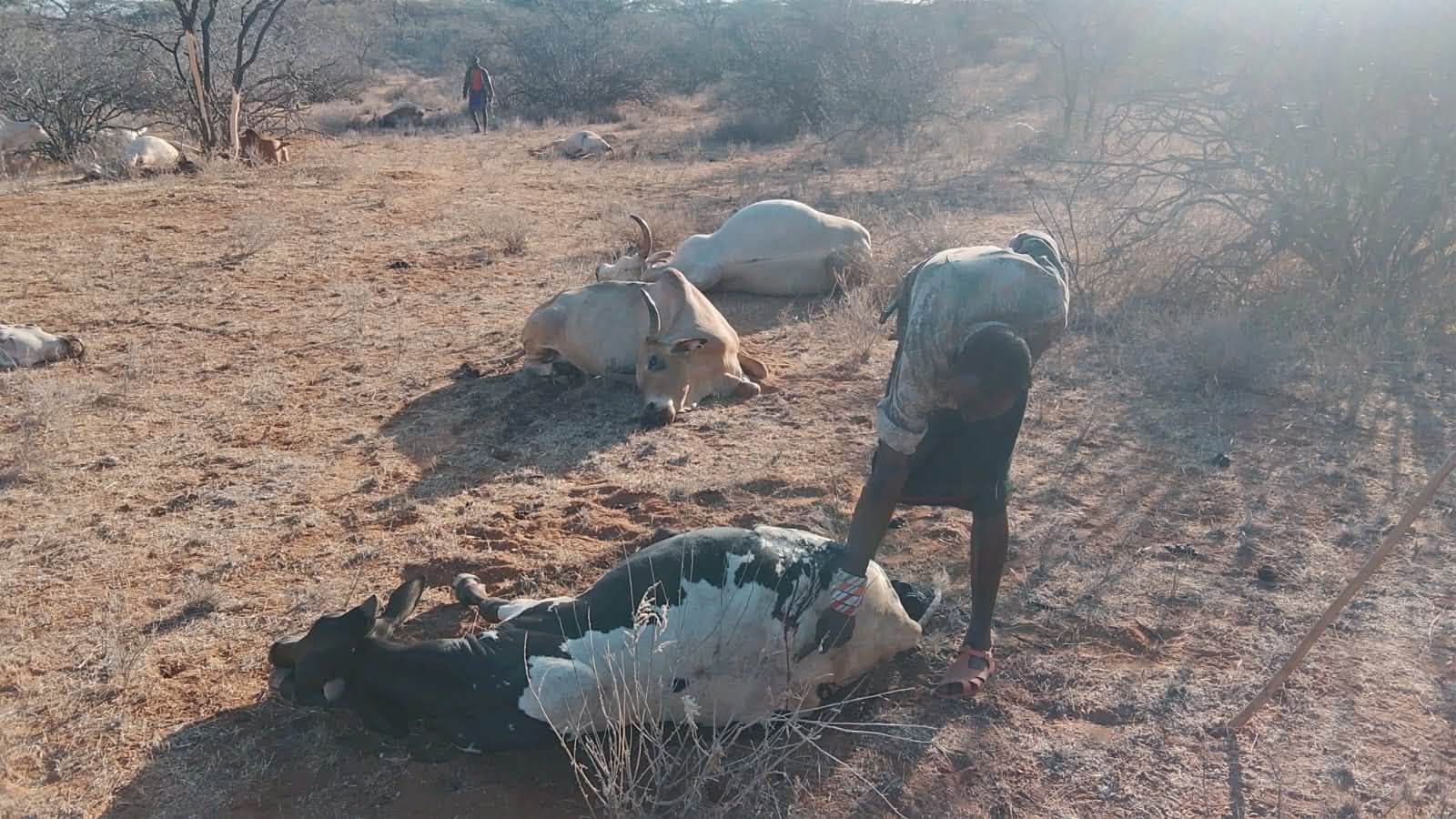
Reported livestock deaths in Waso Ward have prompted calls for accountability, with Ltumbesi urging publication of investigation findings as authorities verify the allegations.
Samburu Senator Lelegwe Ltumbesi has called for stronger safeguards to protect livestock and civilian property during security operations, proposing explicit police instructions against shooting animals, independent investigations into reported losses and compensation for affected families.
In a personal position paper published in October 2026, Ltumbesi argues that efforts to combat banditry and recover illegal firearms must also protect the livelihoods of pastoralist communities.
The paper, titled Livestock Killing: Is It a Policy of Government?, examines reported livestock seizures and killings from the colonial period to the September 2026 security operation in Waso Ward, Samburu East.
Written in the senator’s personal capacity, it draws on parliamentary records, legislation, academic research, human rights reports and media accounts. Its findings are based on a documentary review rather than an independent field investigation.
Calls for clear operational safeguards
Ltumbesi proposes that the government table any policy or written direction governing the treatment of livestock during security operations, or formally confirm that none exists.
He also recommends a standing National Police Service order prohibiting officers from firing on livestock, with the instruction expressly included in operation orders.
The senator argues that clear directions would remove uncertainty among officers and provide Parliament, oversight institutions and affected communities with a basis for assessing the conduct of operations.
His paper does not establish the existence of a written government policy authorising livestock killings. Instead, it contends that repeated incidents, recurring official explanations and an apparent lack of accountability have created an administrative practice with effects comparable to policy.
That conclusion is the author’s interpretation of the documentary record.
Waso operation brings concerns into focus
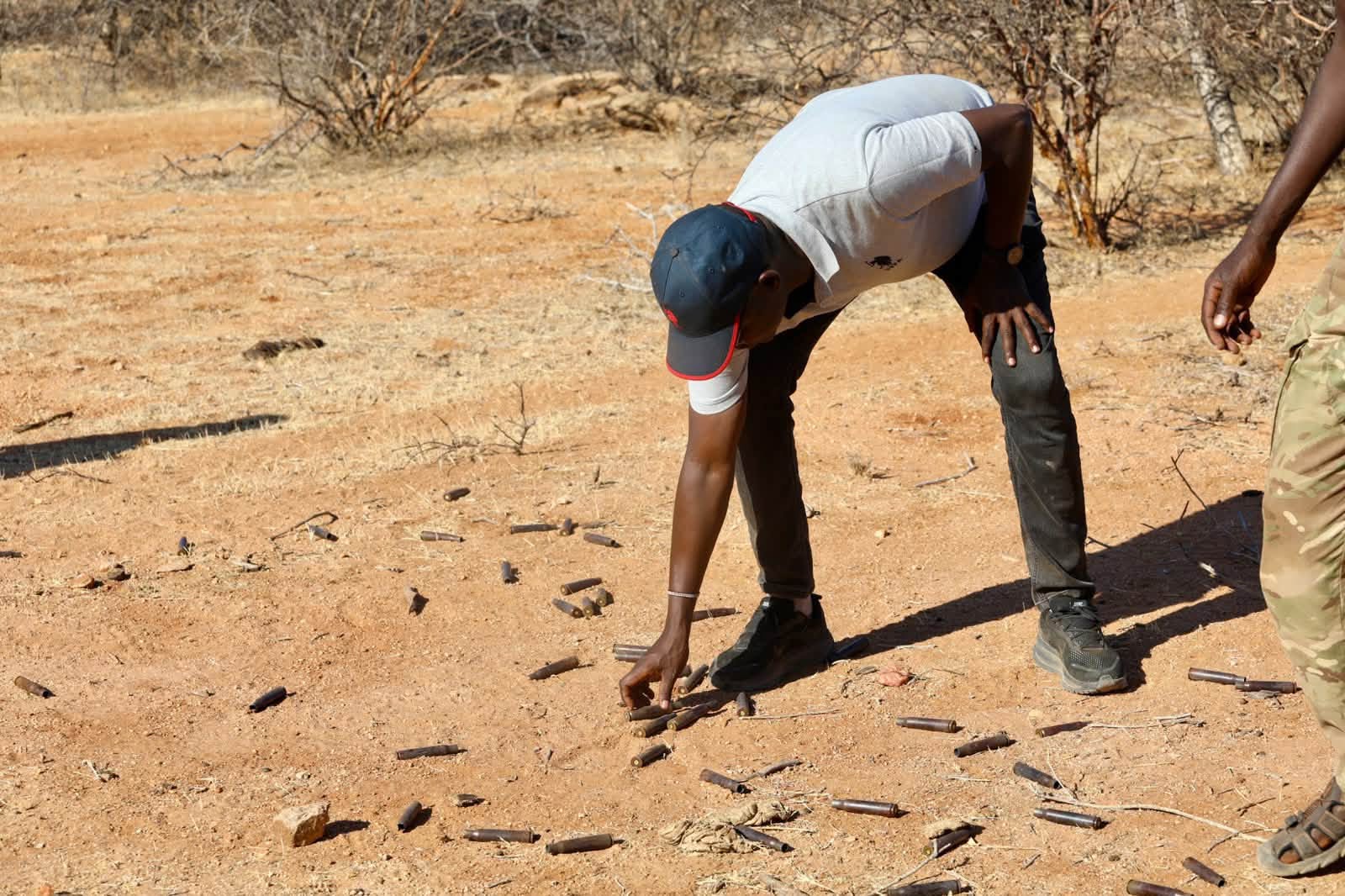
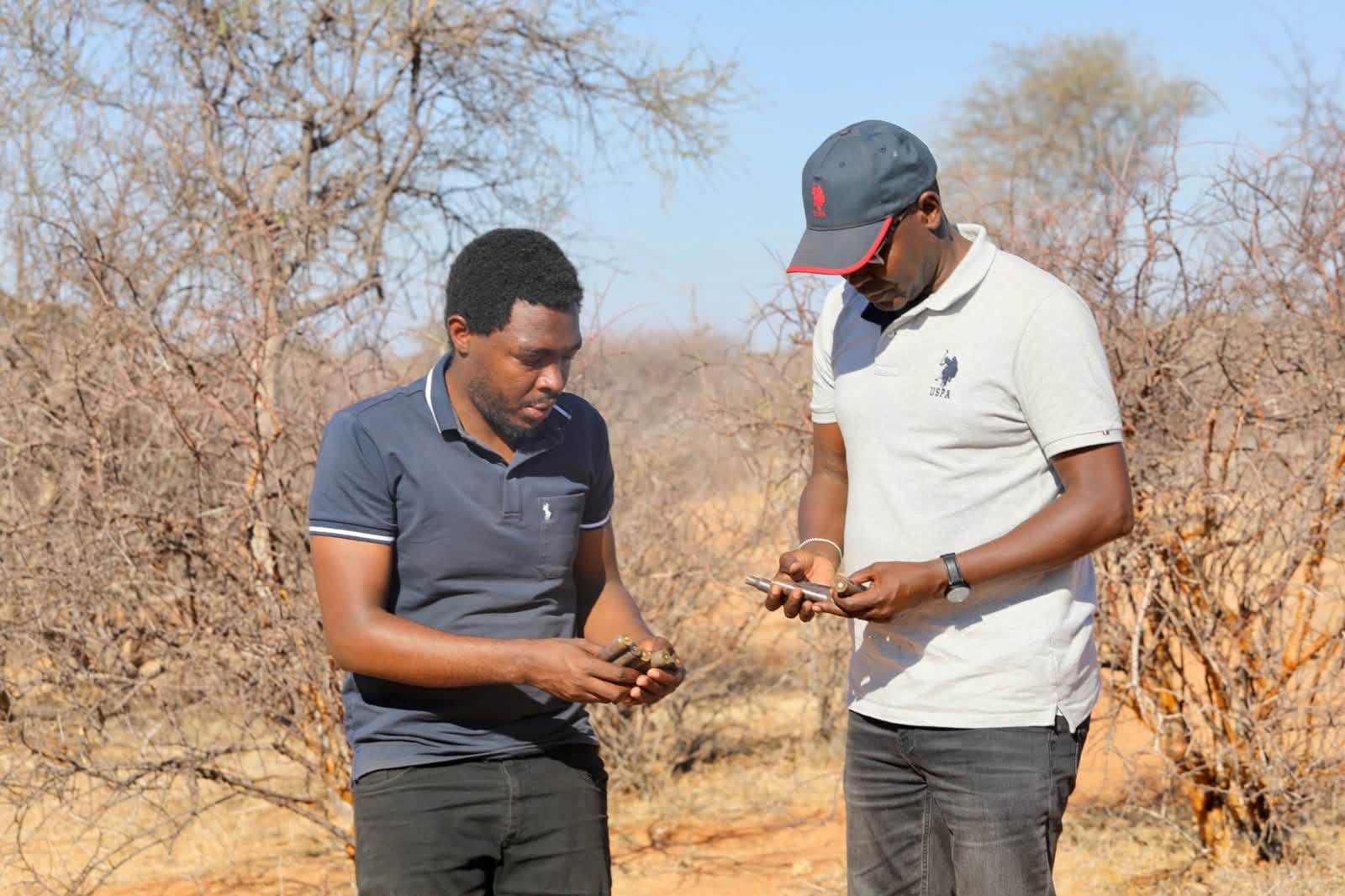
The paper gives particular attention to reported livestock deaths during the September 2026 operation in Waso Ward.
According to the government account reproduced in the document, the operation followed a September 16 ambush near Gotu in Isiolo County in which five people died and government weapons, ammunition and other stores were stolen.
Security personnel were deployed to pursue the attackers and recover the stolen equipment.
Ltumbesi questions the subsequent treatment of livestock belonging to residents, citing differing accounts of animal losses and calling for a verified, household-by-household register.
The paper records reported livestock death totals ranging from 517 to 963 animals. These figures remain disputed and should not be treated as a confirmed count.
The senator proposes a joint verification exercise involving national and county authorities and community representatives to establish ownership, species and the losses suffered by individual households.
Government says allegations are under investigation
The paper also reproduces the substance of an October 7 written statement by the Cabinet Secretary for Interior and National Administration to the National Assembly’s Departmental Committee on Administration and Internal Security.
According to that account, a herder reported at Archers Post Police Station on September 27 that he and another herder had returned to find 237 cattle and nine donkeys dead after fleeing the movement of security personnel four days earlier.
The statement said the Inspector-General had ordered an investigation to establish the number of animals killed or injured, the location, those involved, the circumstances, whether security officers were responsible and the owners of the affected livestock.
The ministry maintained that the reported figures, identities and circumstances remained allegations pending official verification.
Ltumbesi welcomes the investigation but argues that its value will depend on whether the findings are published and acted upon. He also calls for independent scrutiny by oversight bodies, including examination of responsibility at command level.
Compensation and support for affected households
Alongside investigations, the senator proposes compensation at market value once losses have been verified.
He also recommends relief and restocking support to help affected households rebuild their livelihoods while accountability and compensation processes proceed.
The paper emphasises that livestock losses extend beyond the immediate value of an animal. For pastoralist households, herds support food supply, income, education and the ability to withstand future shocks.
Ltumbesi argues that responses to reported destruction should therefore consider the longer-term consequences for families, including schooling, nutrition and displacement.
He identifies these consequences as areas requiring further household-level research.
Historical claims revisited
The paper places Waso within a wider historical review of livestock seizures and destruction during security operations.
One case concerns February 2009, when, according to the documents reviewed by the senator, police took 4,115 cattle belonging to 86 families in Samburu East.
Ltumbesi contrasts those accounts with the government’s response to the National Assembly at the time and questions what became of subsequent compensation commitments.
He proposes that the government publish the relevant beneficiary list tabled in Parliament and resolve the families’ outstanding claims.
More broadly, the paper argues that the public record reviewed does not demonstrate that officers were charged or compensation paid in the episodes it examines.
However, the author acknowledges an important limitation: the absence of information from the public record does not conclusively establish that no action occurred.
Banditry remains a serious security threat
The senator’s proposals are presented alongside an account of the violence confronting residents and security personnel.
A dataset compiled for the paper records 68 reported banditry incidents in Samburu County between January 2016 and October 7, 2026, involving 114 deaths and 8,556 livestock reported stolen.
The dataset records 1,224 animals reported recovered and one reported arrest.
These are figures drawn from press and news agency reports, rather than a complete police register. The paper describes them as minimum documented totals and acknowledges that arrests, recoveries or other incidents may have gone unreported.
Separately, the Interior Ministry statement summarised in the paper reported the recovery of 3,221 of 4,306 livestock stolen between June and September 2026 across Samburu, Isiolo and Meru counties.
It also reported the recovery of 2,395 illegally held firearms between September 2025 and September 2026.
The figures cover different periods and geographical areas and cannot be directly compared.
According to the statement, security had improved, although threats persisted and personnel and equipment remained inadequate for sustained coverage. The ministry also acknowledged that security operations alone could not permanently resolve inter-community conflict.
Alternatives to destruction
Ltumbesi proposes a supervised procedure for impounding, identifying and releasing suspect livestock as an alternative to destruction.
He also recommends official county-level registers documenting raids, deaths, livestock theft, recoveries and arrests. Such records, he argues, would improve accountability and allow the effectiveness of security operations to be assessed using verified information.
Further proposals include parliamentary consideration of legislation protecting livestock and civilian property, a statutory compensation framework and review of provisions that the paper associates with collective liability.
The senator presents the recommendations as options for discussion by Parliament, the Executive, oversight institutions and affected communities.
His central appeal is for anti-banditry operations to combine effective pursuit of offenders with clear protection for civilian livelihoods, transparent investigations and remedies where losses are established.