
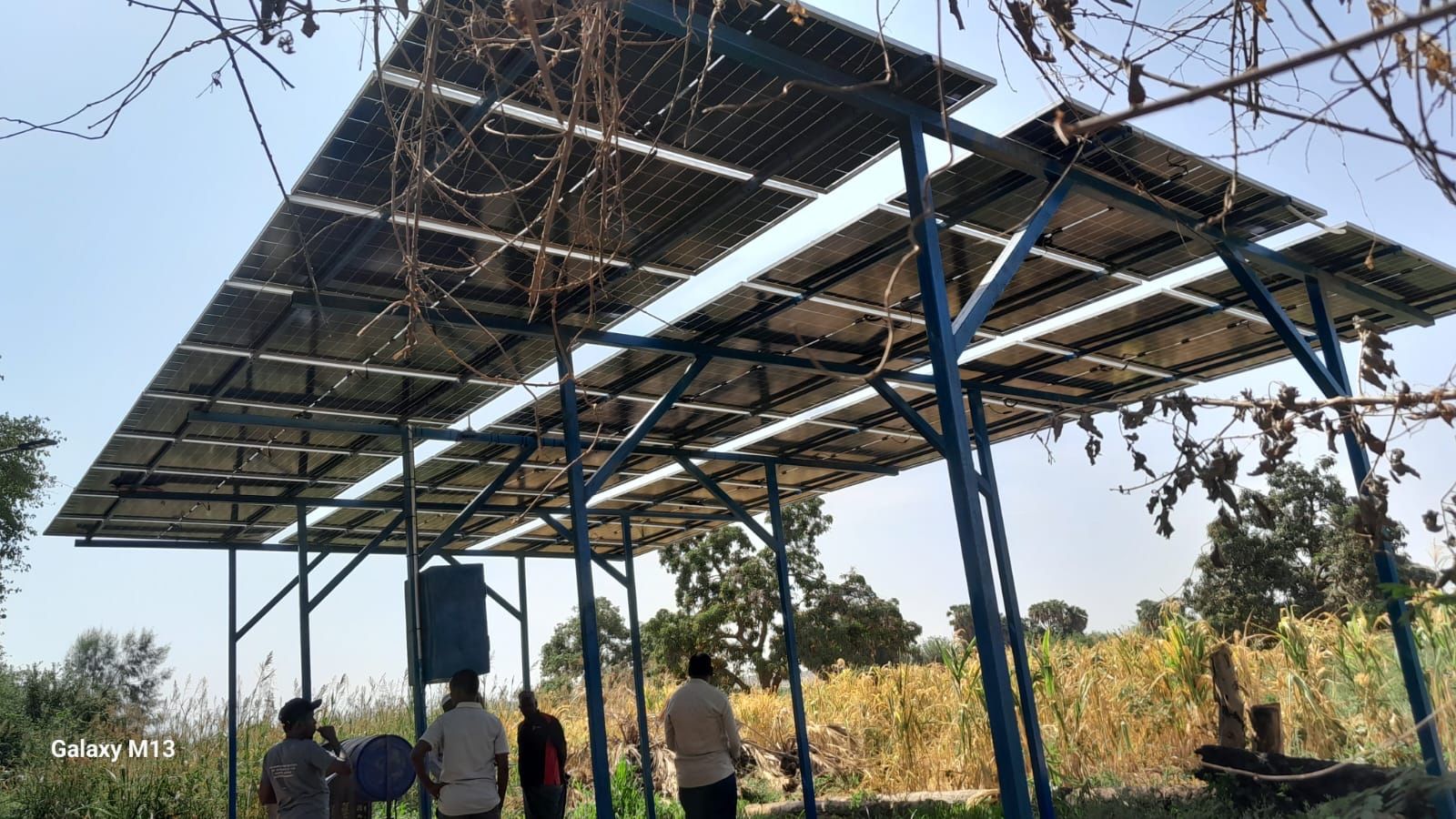
A major step toward climate-resilient agriculture has been achieved in Mandera County, where 11 farms along the Daua River have successfully transitioned from diesel-powered systems to hybrid solar irrigation.
The milestone, implemented under the BORESHA-NABAD Programme, marks a significant shift toward sustainable farming practices to improve livelihoods in arid and semi-arid regions.
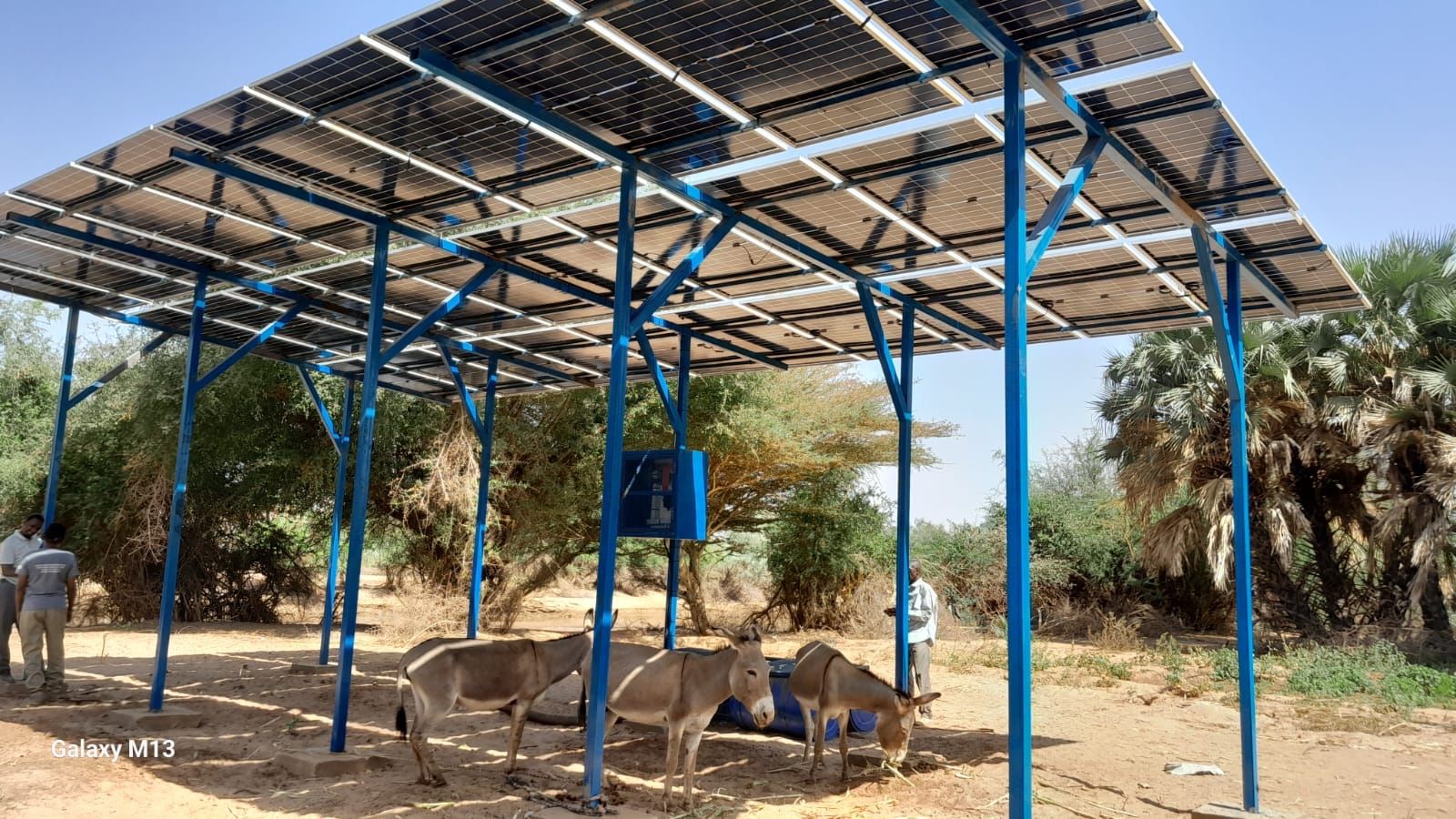
The initiative is being delivered through Danish Refugee Council Kenya in collaboration with the county’s Department of Agriculture, Livestock, Fisheries and Irrigation.
The transition builds on earlier support for local farmers, particularly those engaged in onion and watermelon production, and is expected to enhance productivity by ensuring reliable access to irrigation water.
The upgraded systems now support approximately 150 acres of actively cultivated farmland, reducing reliance on costly, environmentally harmful diesel-powered pumps.
Recent joint monitoring visits to project sites in Malkakuna, Girisa, and Meygag confirmed significant progress in infrastructure development.
Solar support structures have been fully installed across all farms, while elevated tank foundations have been completed to improve water storage and distribution.
Additional works include the rehabilitation of boreholes in Girisa and the elevation of borehole systems in Malkakuna to prevent rainwater contamination, key improvements that enhance water quality and system durability.
Final installations, including water tanks, pump connections, and pipeline systems, are currently underway and expected to be completed soon.
Beyond irrigation, the programme is supporting a range of complementary community-driven investments designed to strengthen resilience.
These include the construction of a 100-metre flood-control gabion in Yabicho, rehabilitation of six shallow wells across Mandera East and North, and the establishment of an apiary in Tarama, Banisa Sub-County.
Officials say the transition to solar-powered irrigation will not only reduce operational costs for farmers but also promote environmentally sustainable practices while increasing agricultural output in a region frequently affected by climate shocks.
The initiative is part of broader efforts to strengthen community resilience by integrating climate-smart solutions into local livelihoods.
By reducing vulnerability to erratic weather patterns and improving access to water, the programme is helping farming communities adapt to the growing impacts of climate change.
For farmers along the Daua River, the shift represents more than just a technological upgrade; it offers a pathway to increased income, improved food security, and long-term sustainability.
As similar interventions continue to scale up, stakeholders remain optimistic that climate-resilient farming approaches, such as hybrid solar irrigation, will play a critical role in transforming livelihoods across Northern Kenya.