
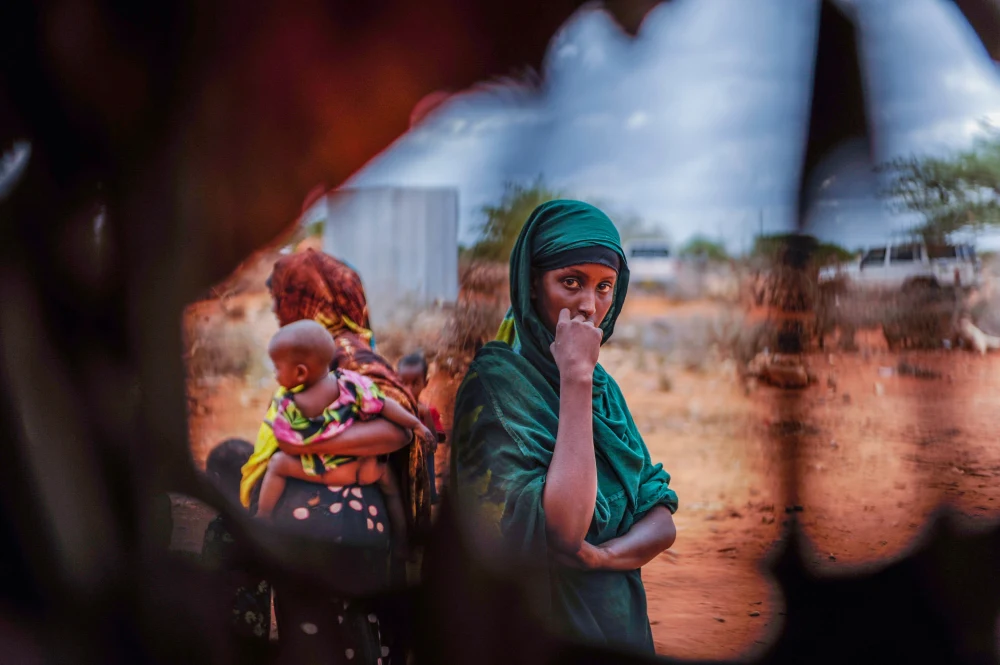
Mandera County is once again on high alert as the latest assessments indicate that more than 335,000 residents have slipped into the Crisis (IPC Phase 3) category following a new spell of failed rainfall.
Humanitarian agencies and county authorities warn that the situation is deteriorating rapidly, with food and water shortages deepening across all six sub-counties.
The short rains, which communities had hoped would ease months of dryness, were largely unsuccessful, worsening already fragile household conditions.
Pastoralist families, who depend heavily on livestock, are facing shrinking pasture, drying water pans, and dwindling herd sizes, pushing many to the brink.
County officials say the compounded effects of failed rains, consecutive drought seasons, and rising food prices have left thousands unable to meet basic dietary needs.
Humanitarian agencies operating in the region have echoed the alarm, calling for urgent, scaled-up assistance, including emergency food aid, water trucking, nutrition support, and livelihood protection interventions.
They warn that without timely action, more households could descend into Emergency (IPC Phase 4) conditions.
The Mandera County Government, in collaboration with national entities and partners such as NDMA, has begun deploying targeted drought mitigation measures.
These include livestock feed distribution, borehole rehabilitation, and cash-transfer support to the most vulnerable families.
However, officials acknowledge that the needs far outweigh available resources.
Meanwhile, health workers report rising cases of malnutrition, especially among children, pregnant women, and the elderly.
Outreach teams have intensified screening and treatment efforts, but access challenges persist due to Mandera’s vast distances and security constraints along the border areas.
As forecasts point to continuing dry conditions, local leaders are urging swift national and international intervention.