
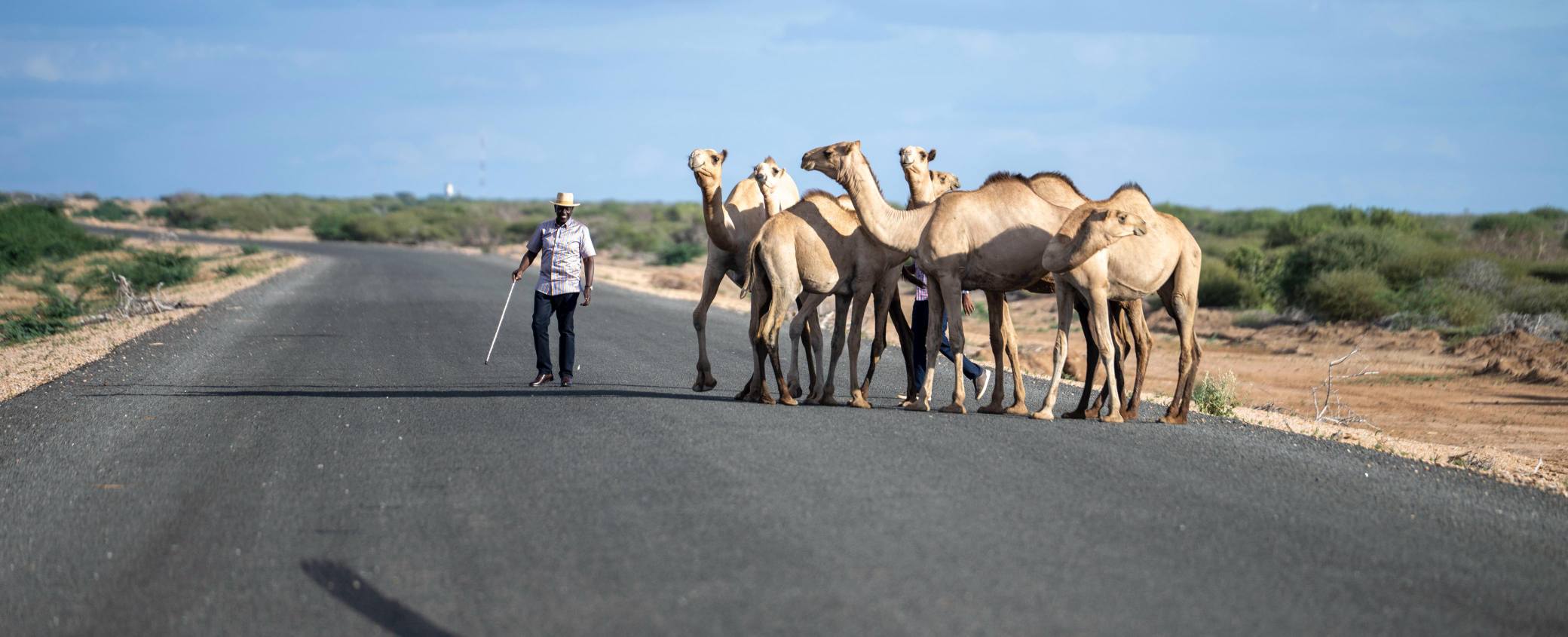
Pastoralist communities in Marsabit County are set to engage government officials, civil society organisations and development partners in a two-day dialogue focusing on land rights, livestock mobility, rangeland governance and climate resilience.
The Pastoralists Community Dialogue Forum, taking place on 28–29 July at Jirime Hotel in Marsabit, has been convened in the context of the International Year of Rangelands and Pastoralists (IYRP) 2026.
The forum is being held under the theme, “Pastoralism, Rangelands and Community Futures: Dialogue for Change.” It aims to provide a platform where pastoral communities can directly shape discussions and decisions affecting their land, livestock, natural resources and livelihoods.
The Drylands Learning and Capacity Building Initiative (DLCI) will participate in the forum alongside pastoral community representatives, national and county government agencies, civil society organisations, community associations, committees, cooperatives and development partners.
The gathering will provide an opportunity for participants to exchange experiences and explore practical solutions to the challenges facing pastoral communities in Marsabit and other arid and semi-arid areas.
At the centre of the dialogue will be the need to recognise pastoral communities as key decision-makers in the management and development of drylands.
Pastoralists possess extensive knowledge of grazing patterns, water sources, livestock movement, weather conditions and the sustainable use of rangeland resources. This knowledge has enabled communities to survive and maintain their livelihoods in areas characterised by limited rainfall and recurring droughts.
The forum will therefore seek to ensure that community experiences, priorities and traditional knowledge inform policies and programmes intended to support pastoralism.
DLCI said it looks forward to contributing to the discussions, learning from communities and supporting conversations that place community knowledge, priorities and leadership at the centre of drylands development.
The engagement is also expected to strengthen dialogue between communities and institutions responsible for land administration, livestock development, environmental conservation, climate adaptation and natural-resource management.
Land rights will be one of the main subjects of discussion during the forum.
For pastoral communities, land is more than a productive resource. It supports livestock, cultural identity, community relationships and local economies. Access to grazing areas, livestock routes and water sources is essential to the survival of pastoral households.
Changes in land use, the subdivision or occupation of communal land and the restriction of traditional livestock routes can affect the ability of communities to maintain their livelihoods.
The forum will create space for pastoralists to explain how land-related decisions affect them and to propose ways of improving community participation in land governance.
Participants will also explore how land-use planning can protect pastoral livelihoods while supporting environmental conservation, settlement needs and other development priorities.
Strengthening pastoral land rights can help reduce disputes, improve access to essential resources and give communities greater confidence to invest in sustainable rangeland management.
Pastoral mobility will also feature prominently in the discussions. The seasonal movement of livestock allows pastoralists to respond to changes in the availability of water and pasture. During dry periods, communities move their animals to areas where grazing resources remain available before returning when conditions improve.
This mobility is an important production and climate-adaptation strategy. However, it can be disrupted when livestock corridors are blocked, land is converted to other uses or communities encounter barriers in accessing water and grazing areas.
Restrictions on mobility can expose livestock to hunger, disease and death, weakening household incomes and increasing food insecurity.
The Marsabit dialogue will allow communities and government actors to consider measures for protecting livestock routes, facilitating negotiated access to resources and improving cooperation between neighbouring communities.
The forum is also expected to encourage dialogue on peaceful resource sharing, particularly during droughts when competition over pasture and water may intensify.
Rangeland governance will be another major focus of the two-day meeting. Healthy rangelands are critical to livestock production, biodiversity, food security and the wider economy of pastoral areas. Their management requires effective collaboration between communities, government institutions and other stakeholders.
Participants will discuss the rules, institutions and community practices that guide access to grazing areas and other shared resources.
The forum will also consider how customary systems of rangeland management can complement formal government policies and administrative structures.
Community-led grazing plans, the protection of drought reserves, the rehabilitation of degraded land and the sustainable management of water points are among the approaches that can strengthen the health and productivity of rangelands.
Effective rangeland governance can also help prevent overuse, reduce conflict and ensure that resources remain available for future generations.
Climate resilience will be a central part of the dialogue, reflecting the increasing pressure that droughts and unpredictable rainfall place on pastoral livelihoods.
Pastoral communities are often among the first to experience the effects of climate variability. Prolonged dry periods reduce water and pasture availability, weaken livestock and increase household vulnerability.
The forum will examine how pastoral knowledge, government planning and development interventions can work together to strengthen drought preparedness and community resilience.
Placing communities at the centre of climate action will be essential to ensuring that proposed interventions respond to local conditions and priorities.
The discussions are expected to highlight the importance of early-warning information, sustainable resource management, livelihood protection and coordinated responses to climate-related emergencies.
Beyond addressing immediate challenges, the forum will provide participants with an opportunity to reflect on the long-term future of pastoralism.
Pastoralism remains an important economic and cultural system in Marsabit and across Kenya’s drylands. It supports families, creates employment, supplies livestock and livestock products to markets and contributes to national food security.
However, its future will depend on whether communities have secure access to land and natural resources, supportive policies, reliable markets and meaningful participation in development planning.
The involvement of women and young people will also be important in shaping the future of pastoral communities. Their participation can strengthen local leadership, support innovation and ensure continuity in the management of livestock and rangeland resources.
Convened during IYRP 2026, the Marsabit forum will contribute to wider efforts to increase recognition of the environmental, social and economic value of rangelands and pastoralism.
By bringing together communities, government actors, civil society and partners, the dialogue is expected to strengthen partnerships and promote community-informed approaches to land rights, livestock mobility, climate resilience and rangeland governance.
The forum will ultimately seek to ensure that the voices of pastoralists remain central to decisions concerning their livelihoods, landscapes and future.