
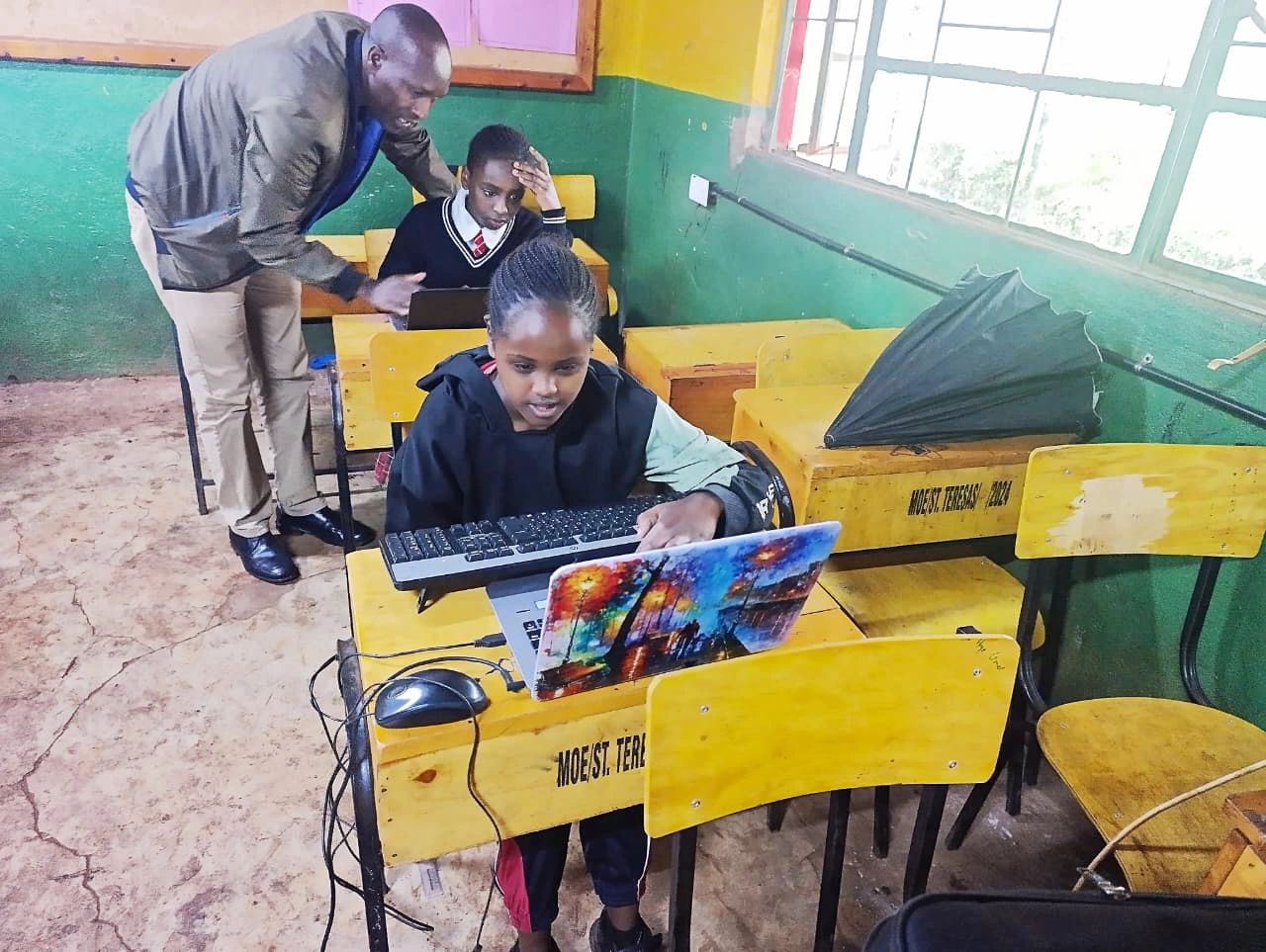
Learners in Marsabit County are demonstrating improved digital skills under the ongoing digital learning program supported by the Raspberry Pi Foundation, as education officials and teachers continue to monitor progress in the county’s schools.
The initiative, implemented in partnership with the Ministry of Education, Kenya, and coordinated locally through the Frontier Counties Development Council (FCDC), aims to strengthen computing education and equip learners with practical digital skills aligned with the national curriculum.
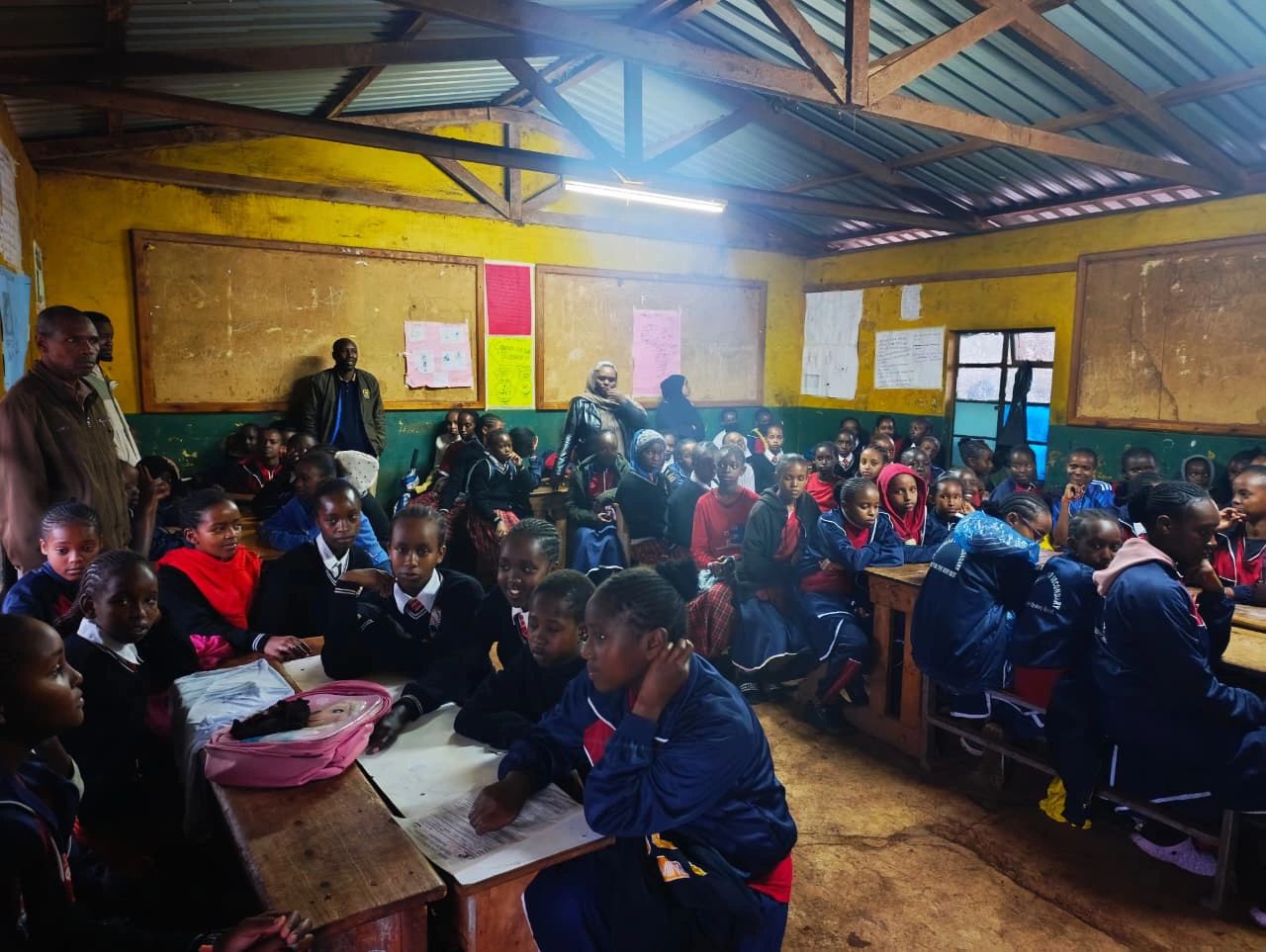
During a recent monitoring visit, the Ministry of Education’s Raspberry Pi project focal person, Gollo Yattani, together with county trainer Jane Ndambala and teachers from partner schools, conducted a learning assessment with Grade 7 students at St. Teresa Primary and Junior School.
The interactive session involved 15 learners and focused on evaluating their understanding of key ICT strands and sub-strands covered so far under the computing curriculum.
The assessment was designed to gauge learners’ comprehension, confidence, and ability to apply the digital concepts taught in class.
Beyond testing knowledge, the session also created space for students to share their experiences with the program.
Learners spoke about the progress they have made, the challenges they face when learning computing concepts and the practical solutions that could help improve teaching and learning.
Education officials said such engagements are important for strengthening the delivery of digital education by providing feedback on what is working well and identifying areas that require further support.
The Raspberry Pi digital learning initiative seeks to build a strong foundation in computing and digital literacy among young learners, preparing them for a technology-driven future.
Through teacher training, classroom support, and continuous monitoring, the program is helping schools integrate computing more effectively into everyday learning.
Stakeholders involved in the program say the initiative is contributing to improved learner engagement and helping students develop critical skills such as problem-solving, logical thinking, and creativity.
Officials noted that ongoing assessments and feedback sessions will continue to play a key role in ensuring quality implementation and maximising the impact of digital learning programs in schools across Marsabit.
The program forms part of broader efforts to expand digital literacy and ensure learners across Kenya’s frontier counties are equipped with the skills needed to participate in the country’s growing digital economy.