
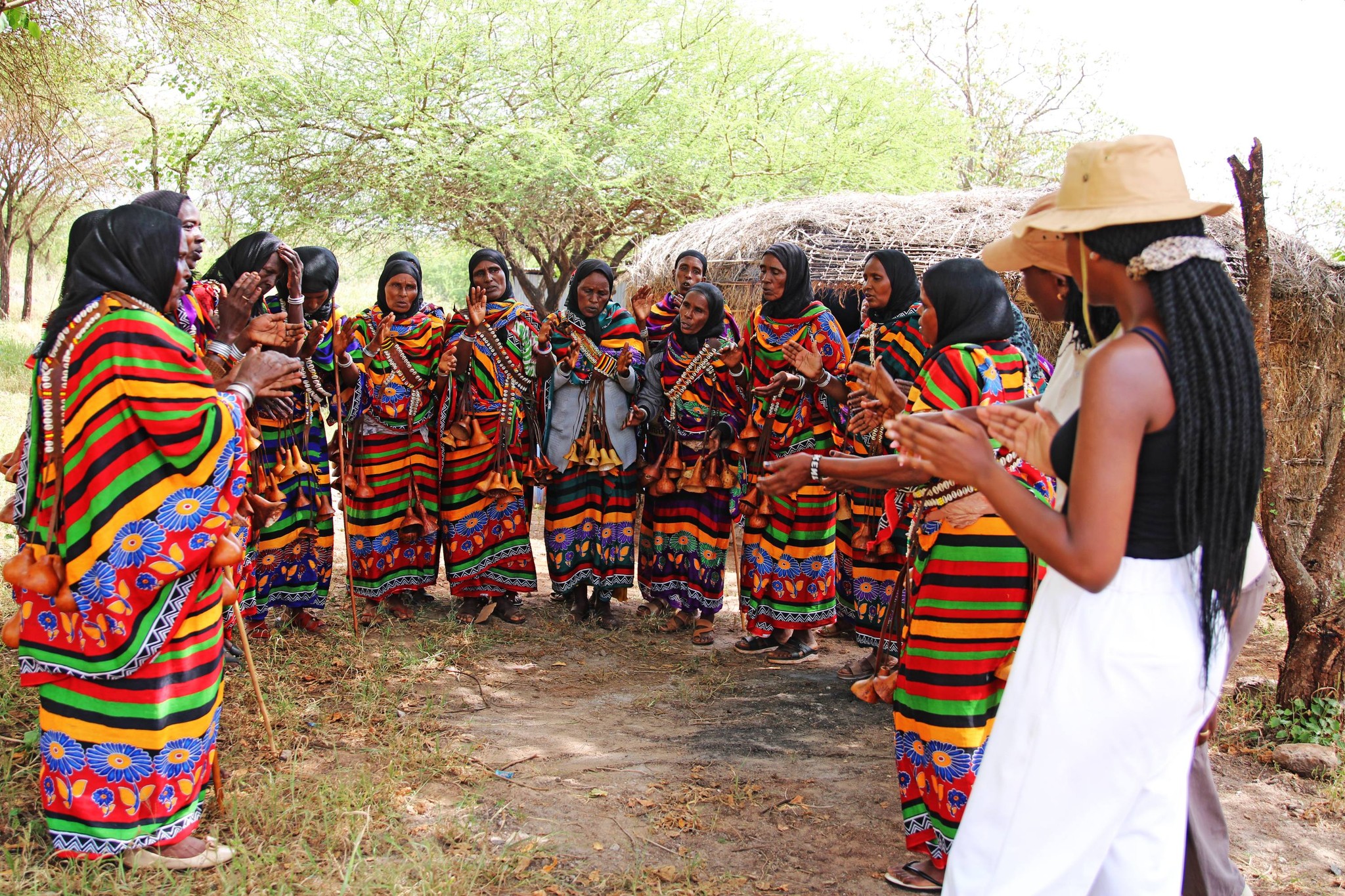
A renewed focus on cultural tourism is highlighting the Gadamoji Cultural Centre in Marsabit, positioning it as a unique destination where heritage, identity, and community life converge in a living cultural experience.
Located within Marsabit National Park and supported by the Kenya Wildlife Service, the centre is home to the Artha Gadamoji community, custodians of the Borana community's rich traditions.
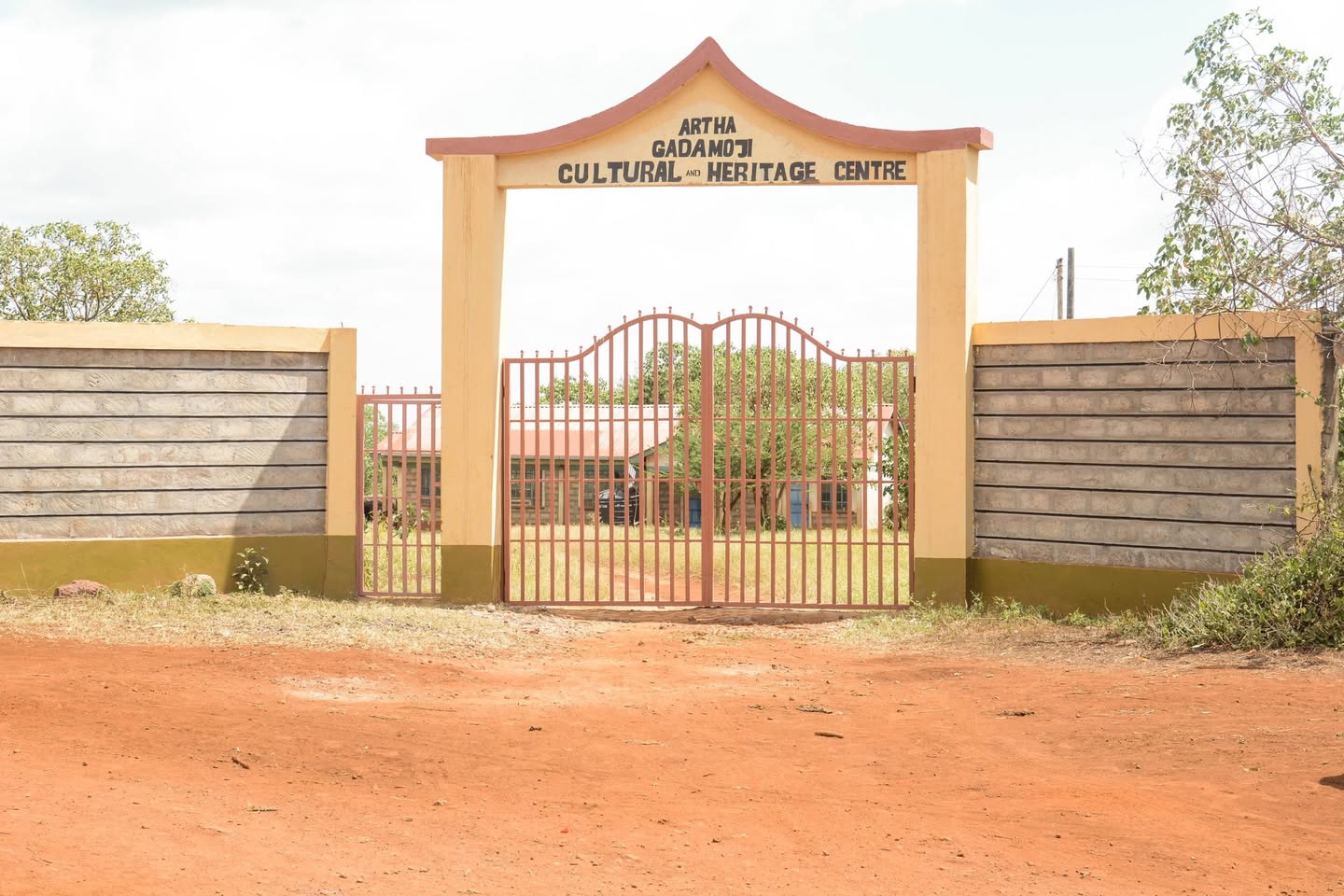
Unlike conventional tourist attractions, the Gadamoji Cultural Centre offers visitors an immersive experience of culture as it is lived daily.
From traditional agro-pastoralist practices to storytelling, music, and communal rituals, the centre offers a rare opportunity to engage directly with heritage preserved across generations.
Local leaders and conservation stakeholders say the initiative is part of broader efforts to diversify tourism offerings in northern Kenya by integrating cultural heritage with environmental conservation.
According to KWS Marsabit National Park, the centre not only promotes tourism but also supports community livelihoods and strengthens cultural identity.
Visitors to the centre are invited to explore traditional ways of life, learn about indigenous knowledge systems, and witness cultural expressions that reflect the values, resilience, and history of the Borana people.
Each interaction offers insight into a community deeply connected to its environment and traditions.
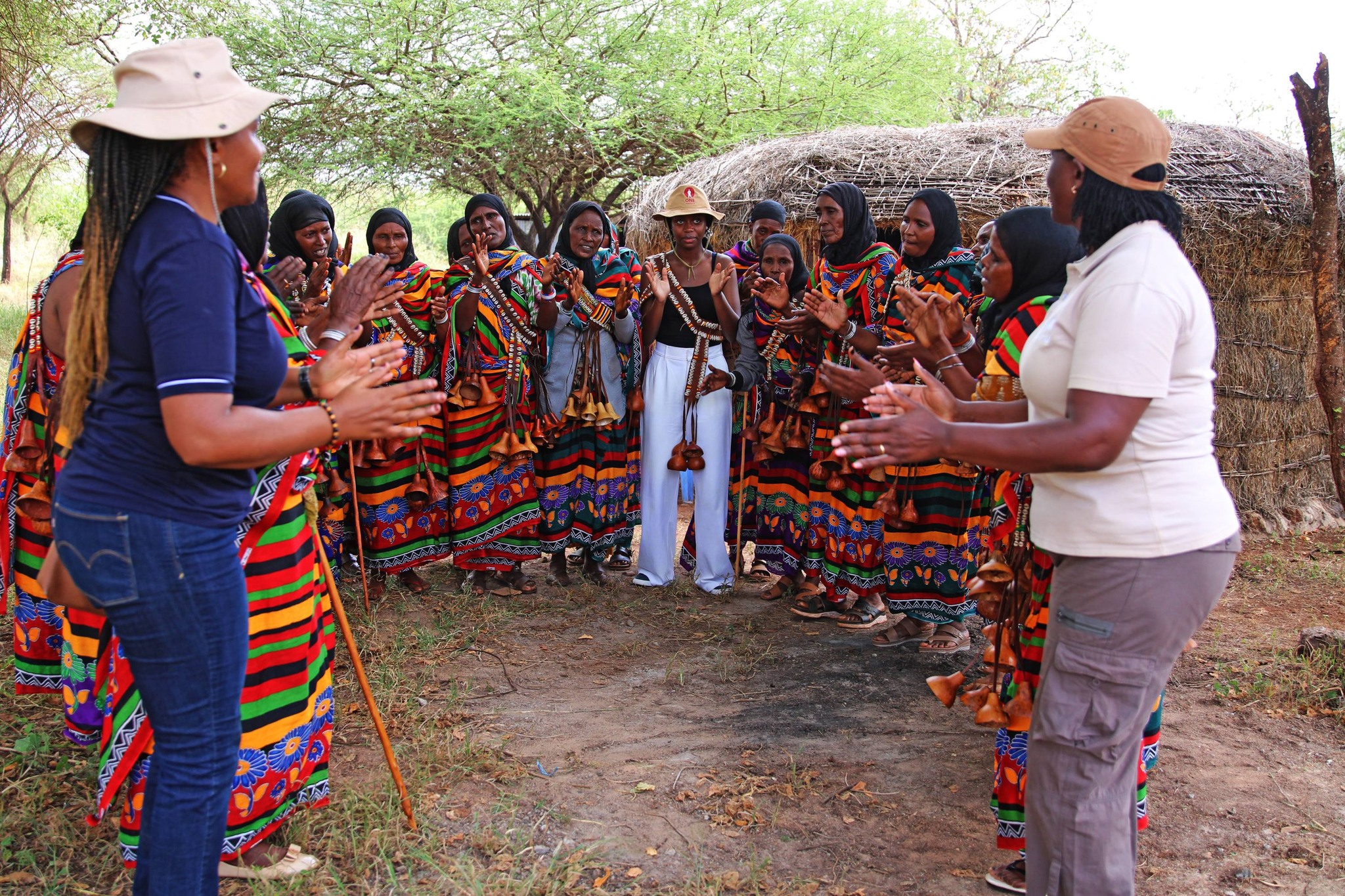
Officials note that promoting cultural tourism in areas such as Marsabit can unlock new economic opportunities for local communities, particularly in regions where livelihoods are often affected by climate variability and limited infrastructure.
At the same time, the initiative helps preserve intangible cultural heritage by creating a platform where traditions are not only showcased but also actively practised and passed down to younger generations.
As interest in authentic and sustainable travel experiences continues to grow, the Gadamoji Cultural Centre is emerging as a compelling destination, one that goes beyond sightseeing to offer meaningful cultural exchange.
Stakeholders remain optimistic that such initiatives will play a key role in redefining tourism in northern Kenya, ensuring that communities remain at the centre of conservation and development efforts while sharing their stories with the world.