
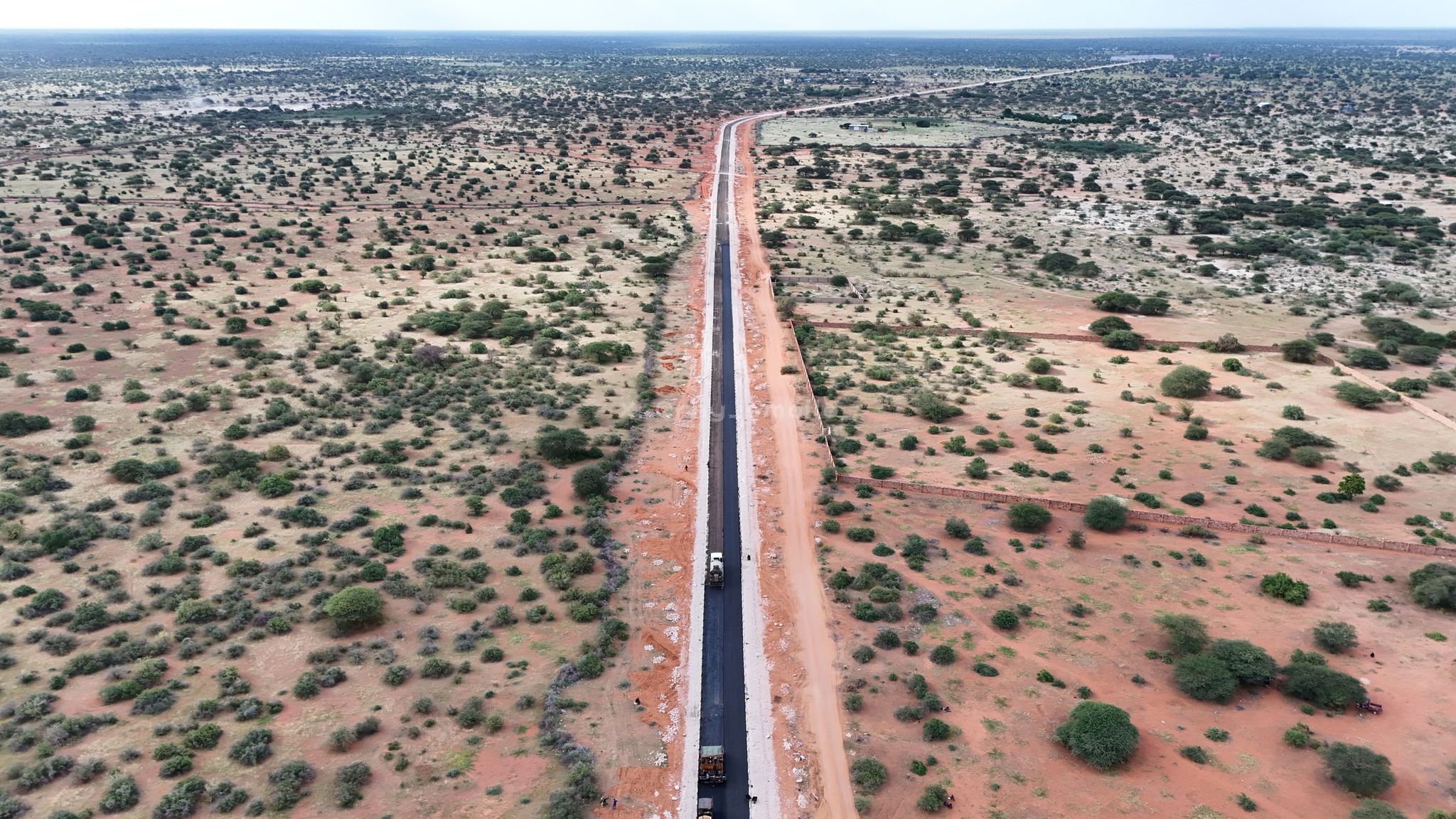
Northern Kenya is undergoing a major infrastructure transformation that is expected to unlock new opportunities for trade, investment, tourism, and urban development, as the government accelerates the upgrade of critical road networks and supporting infrastructure across the region.
The investments, being implemented by the Kenya National Highways Authority (KeNHA) and the Kenya Urban Roads Authority (KURA), are aimed at improving connectivity, facilitating trade, and integrating historically marginalised areas into the country's broader economic landscape.
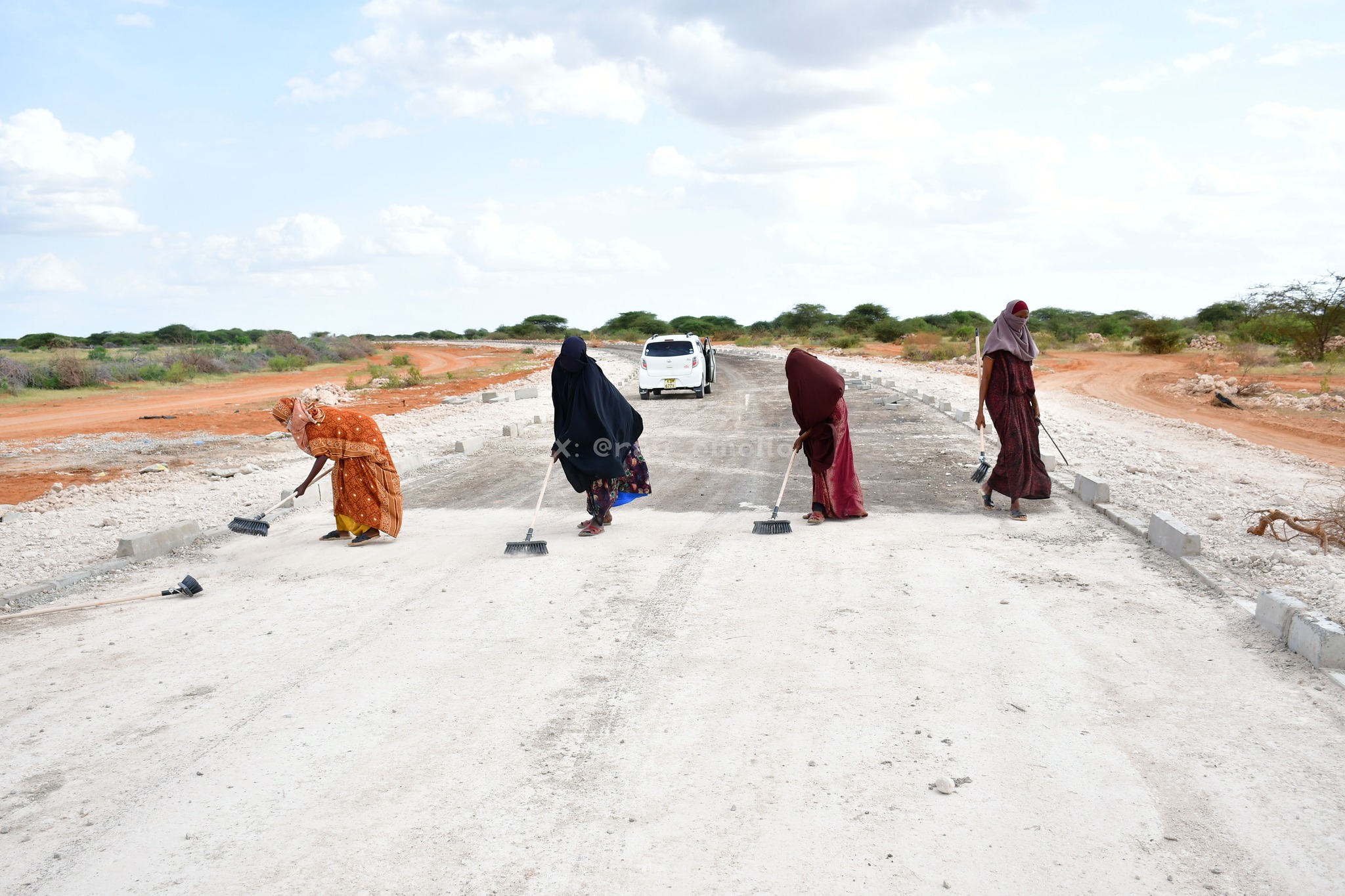
According to the State Department for Roads, the ongoing upgrades go beyond road construction and are part of a wider strategy to open up Kenya's frontier regions and connect communities to emerging economic opportunities.
The projects involve upgrading key road corridors to bitumen standards, creating efficient transport networks that will enhance the movement of people, goods, and services across Northern Kenya.
The improved roads are expected to reduce travel times, lower transport costs, and increase access to markets for businesses, farmers, traders, and investors.
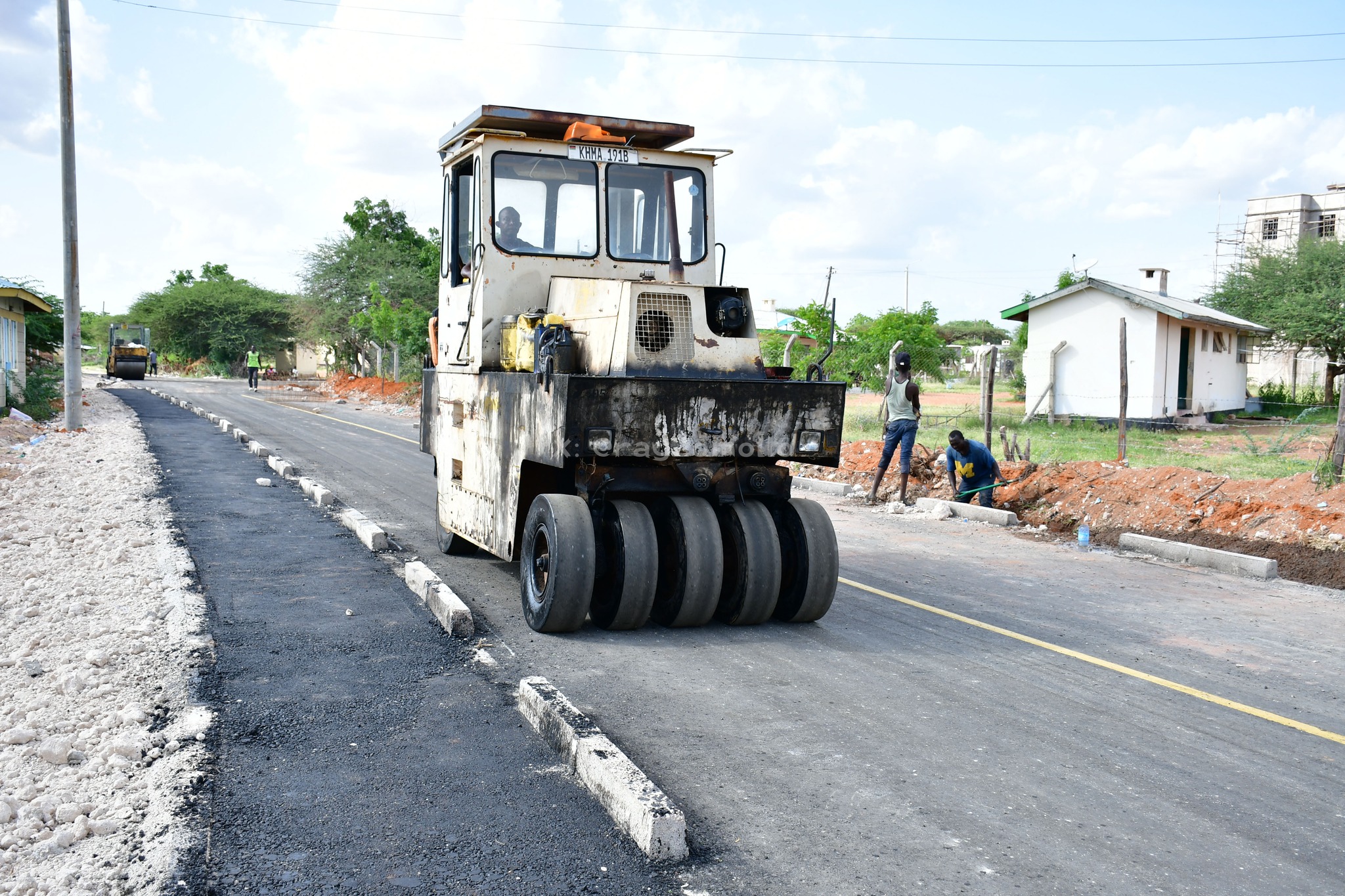
In Wajir Town, where major road improvement works are underway, the upgraded corridors are being designed to support a vibrant 24-hour economy.
Modern infrastructure features, including solar-powered street lighting, improved drainage systems, and clearly marked pedestrian crossings, are being incorporated to enhance safety, accessibility, and mobility.
Government officials say the improvements are laying the foundation for long-term economic growth and urban transformation by creating an environment that attracts investment and supports business expansion.
Principal Secretary for Internal Security and National Administration Dr Raymond Omollo noted that infrastructure development remains central to the government's efforts to promote inclusive development and ensure that all regions benefit from national growth.
He said the road upgrades are not only enhancing connectivity but are also creating conditions for sustainable urban growth and increased economic activity.
"The upgraded corridors are being designed to sustain a vibrant 24-hour economy, integrating modern features such as solar street lighting and clearly marked pedestrian crossings to enhance mobility, safety and accessibility," Dr Omollo said.
The infrastructure programme complements broader regional investments under the Horn of Africa Gateway Development Project (HoAGDP), which seeks to strengthen transport and trade links across Northern Kenya while positioning the region as a strategic gateway to neighbouring Ethiopia and Somalia.
The project includes the upgrading of the Isiolo-Wajir-Mandera corridor, one of the country's most important transport routes, which is expected to significantly improve regional trade and cross-border commerce.
Improved infrastructure is also anticipated to boost tourism by making previously remote destinations more accessible to domestic and international visitors.
Better roads and enhanced urban facilities are expected to encourage private sector investment in hospitality, transport, logistics, and related industries.
In addition to physical infrastructure, the government is focusing on creating safer and more orderly urban environments.
The State Department for Internal Security and National Administration is working closely with road agencies to ensure that infrastructure improvements are accompanied by enhanced public safety measures and coordinated operations.
Officials believe that the combined investments in roads, urban infrastructure, and supporting services will accelerate socio-economic transformation across Northern Kenya, creating jobs, expanding business opportunities, and improving the quality of life for residents.
The developments also align with the government's broader vision of delivering a seamlessly connected Kenya where every region has access to modern infrastructure and the economic opportunities that come with it.
As construction progresses, stakeholders remain optimistic that the upgraded transport corridors and urban infrastructure will serve as catalysts for sustained growth, helping Northern Kenya emerge as a key centre for trade, investment, and regional integration in the years ahead.