
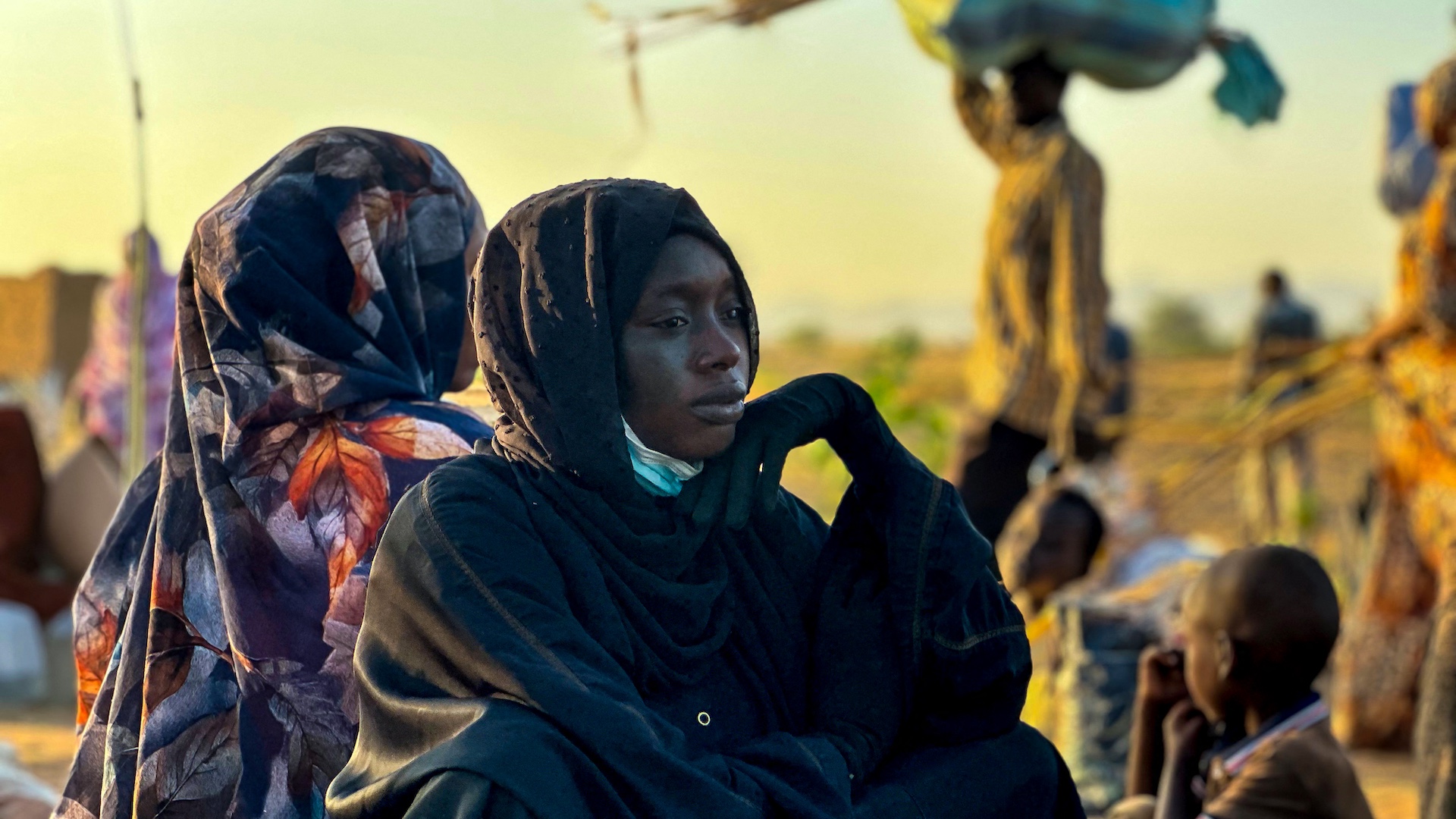
The ongoing war in Sudan has spiralled into the world’s largest humanitarian and displacement crisis, with over 150,000 people killed and nearly 12 million forced to flee their homes since fighting broke out in April 2023.
The devastating conflict between the Sudanese Armed Forces (SAF) and the Rapid Support Forces (RSF) has plunged the country into chaos, triggering famine, mass atrocities, and fears of another genocide in Darfur.
After an 18-month siege, the RSF seized control of El-Fasher, the capital of North Darfur, on 26 October 2025, marking a significant turning point in the war.
The city, once the last major SAF stronghold in Darfur, is now under complete RSF control.
Reports emerging from the city detail mass killings, sexual violence, and summary executions, painting a grim picture of life under siege.
According to the World Health Organisation (WHO), at least five attacks were carried out in October alone on Al-Saudi Maternity Hospital, killing 460 people, including medical staff and patients.
Satellite imagery analysed by Yale University’s Humanitarian Research Lab has confirmed mass graves and evidence of massacres, including one at a former children’s hospital used as a detention site.
The humanitarian situation in El-Fasher is catastrophic. Aid agencies report that no humanitarian assistance has reached the city in more than 18 months, leaving 1.5 million residents, many of them displaced, on the brink of starvation.
Survivors have been forced to eat animal feed to stay alive, while both the SAF and RSF have been accused of blocking aid deliveries and using hunger as a weapon of war.
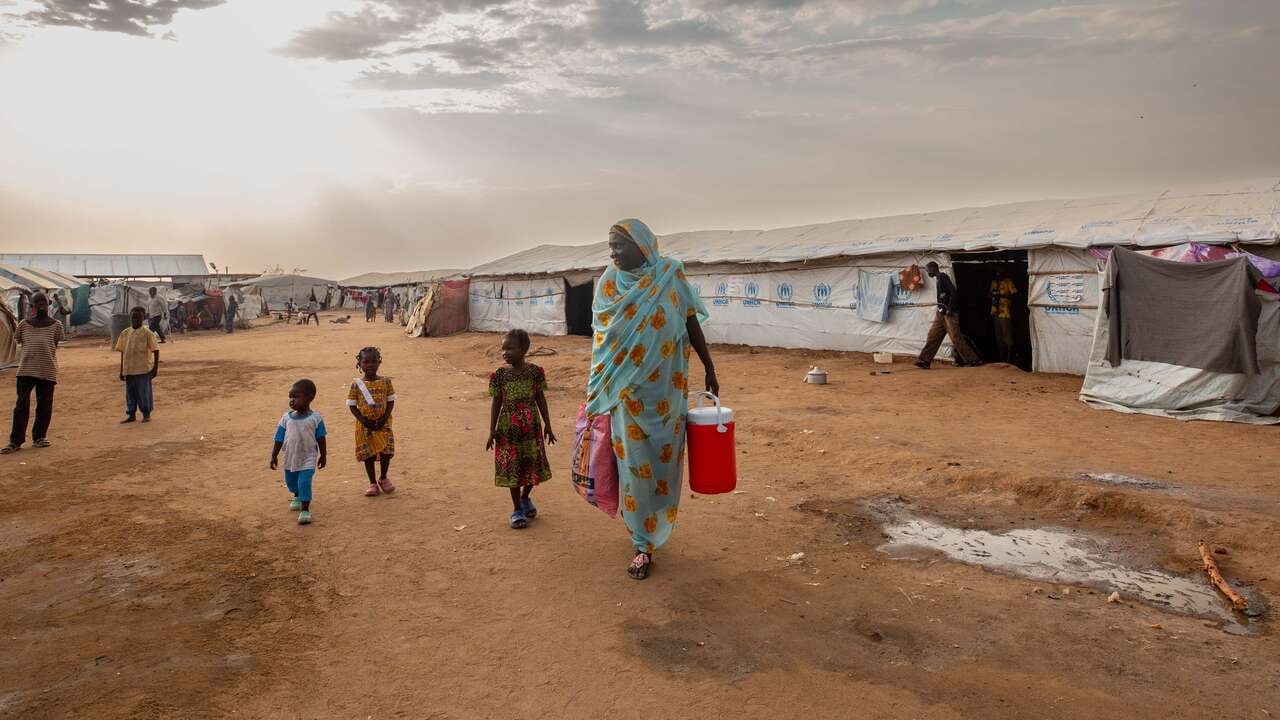
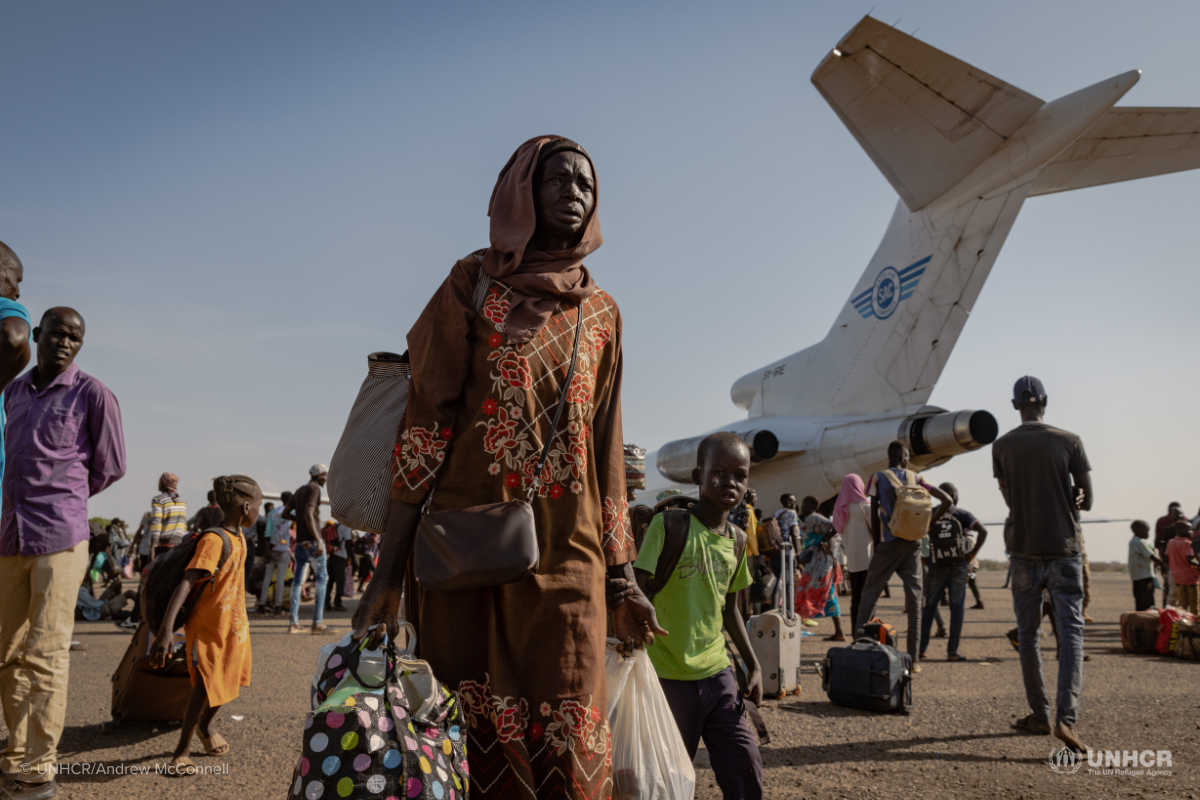
Since the RSF takeover, the International Organisation for Migration (IOM) estimates that 62,000 civilians have fled El-Fasher, many undertaking perilous journeys through violence-ridden routes, with little access to food, water, or shelter.
Those remaining in the city face arbitrary arrests, extortion, and possible execution.
Darfur’s suffering is not new. The region was the epicentre of the first Darfur war (2003–2008), in which an estimated 200,000–300,000 people, mostly from the Fur, Zaghawa, and Masalit ethnic groups, were killed by the Janjaweed militia, the predecessor of today’s RSF.
Recent massacres have reignited fears of history repeating itself. In April 2025, over 1,500 civilians were slaughtered in a three-day rampage at the Zamzam camp for internally displaced people.
In August, investigations by The Guardian uncovered evidence of ethnically targeted killings, mass abductions, and executions across Darfur.
Two years earlier, around 15,000 civilians, mostly from the Masalit community, were massacred in Geneina, the capital of West Darfur.
With the RSF now effectively controlling the entire Darfur region, analysts warn of a de facto partition of Sudan, with the SAF confined largely to central areas of the country.
Despite mounting evidence of mass atrocities, the global response has been slow and fragmented.
Mediation efforts by the United Nations (UN), African Union (AU), and regional actors have failed to produce a lasting ceasefire, as both generals, RSF commander Mohamed Hamdan Dagalo (Hemedti) and SAF leader Abdel Fattah al-Burhan, continue to pursue military victory.
The Institute for Security Studies (ISS) has called for the international community to invoke the Responsibility to Protect (R2P), a doctrine obligating global action when a state fails to shield its population from genocide, war crimes, or crimes against humanity.
“The bloodstained streets of El-Fasher are the grimmest reminder of what happens when the world looks away,” the ISS warned, emphasising that swift international intervention is not just a technical requirement, but a moral imperative.
The last time the UN Security Council invoked R2P was in 2013, authorising French and African Union forces to intervene in the Central African Republic. Analysts argue that the situation in Sudan is far worse, both in scale and humanitarian impact.
With more than 12 million displaced and neighbouring countries like Chad, Egypt, and South Sudan struggling to absorb refugees, Sudan’s conflict is destabilising the entire region.
The UN Office for the Coordination of Humanitarian Affairs (OCHA) warns that millions more could die from starvation and disease if aid access is not restored immediately.
Eighteen months into the war, Darfur has once again become synonymous with mass atrocity.