
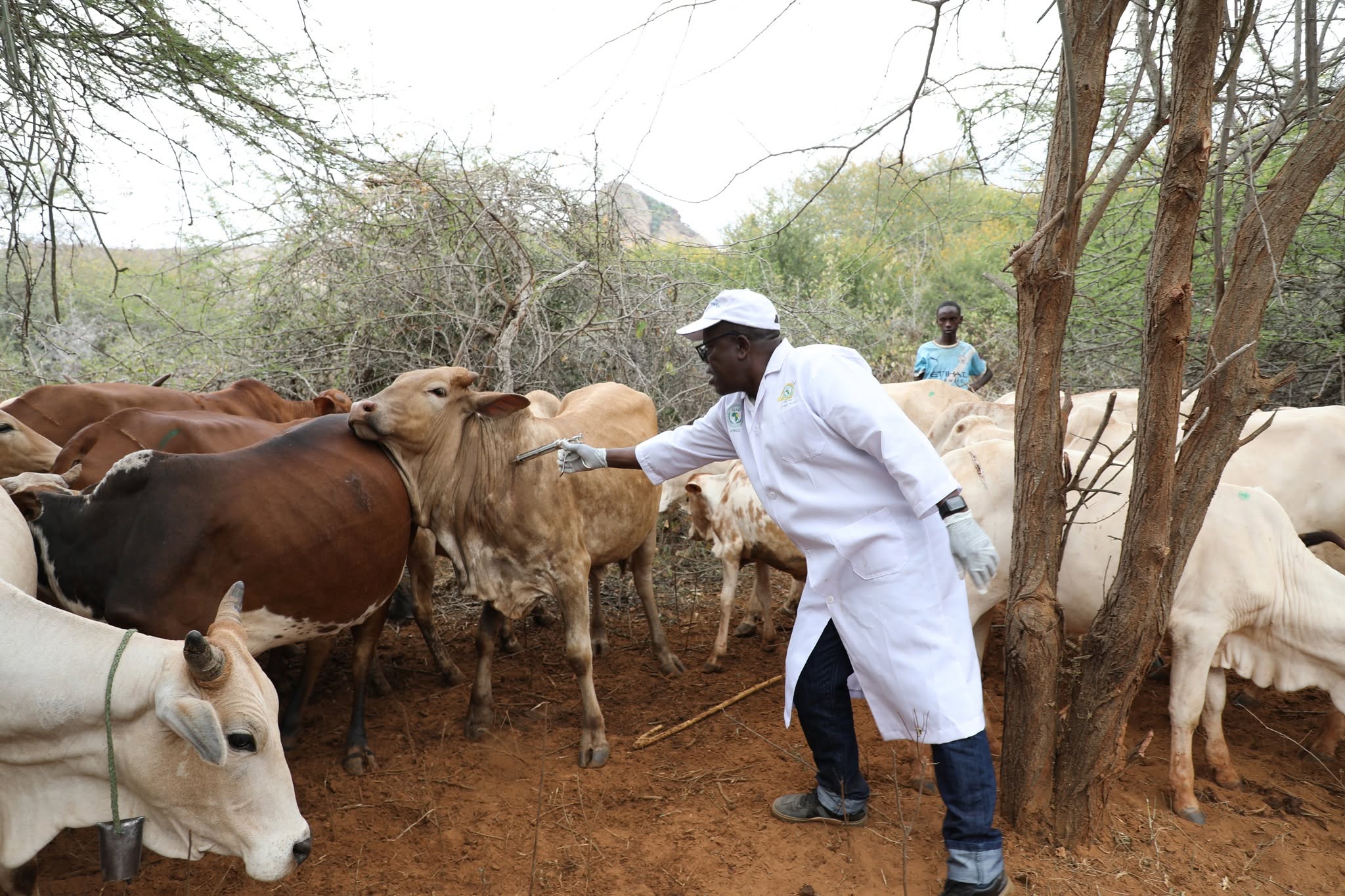
Pastoral communities along the Kenya–Ethiopia border have welcomed a synchronised cross-border livestock vaccination campaign aimed at protecting millions of animals from transboundary animal diseases (TADs), describing the initiative as a major milestone in safeguarding livelihoods and strengthening climate resilience across the region.
The regional campaign, spearheaded by the IGAD Centre for Pastoral Areas and Livestock Development (ICPALD) under the Pastoralism and Livestock Adaptation to Climate Change in Eastern Africa (PLACE) Project, officially commenced on 24 June 2026 in Baadyare Village, Kalkacha Kebele, Moyale District, Ethiopia, before extending to Dugo Location in Wajir North Sub-County, Kenya, on 25 June.
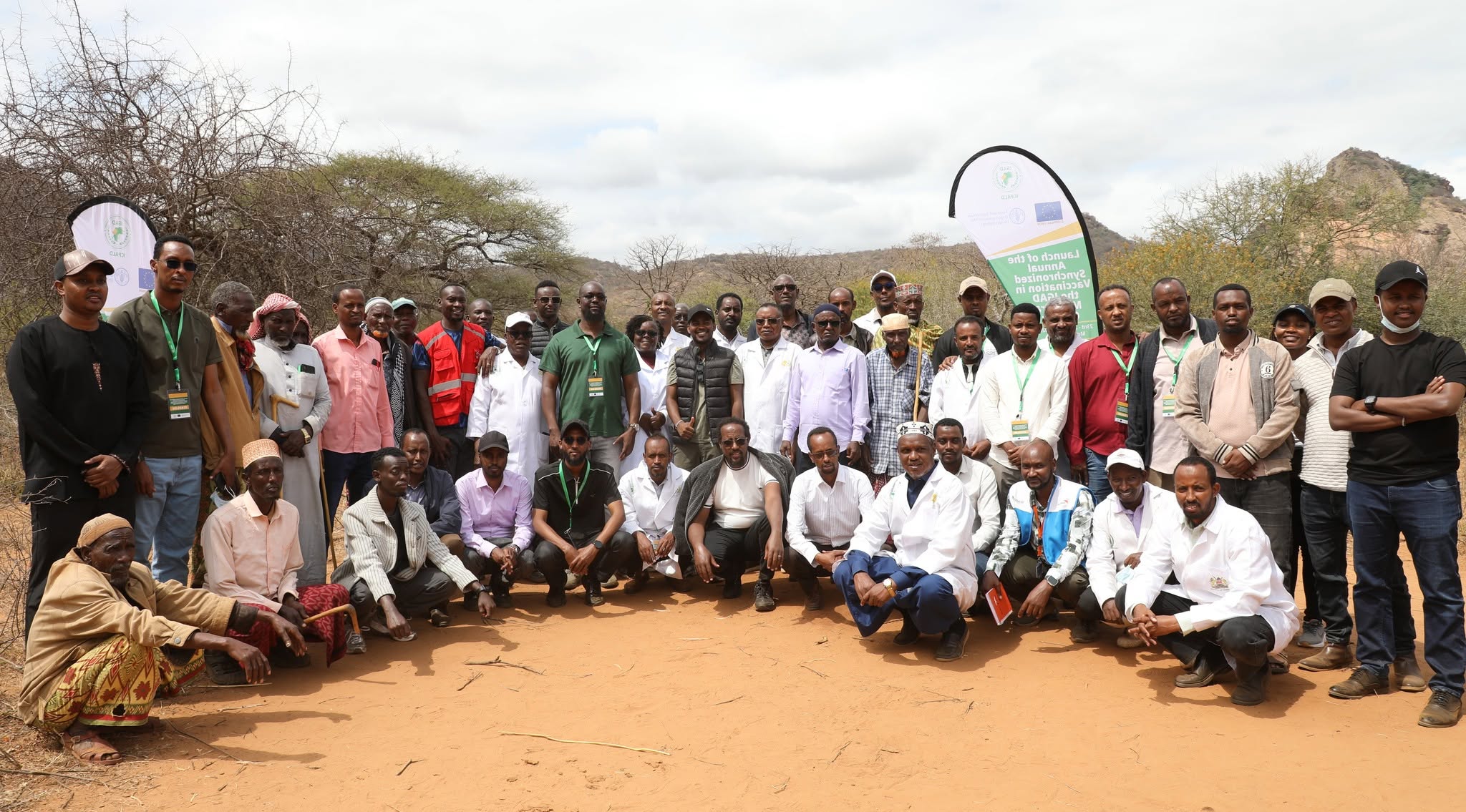
Funded by the European Union, the initiative seeks to strengthen regional cooperation in combating transboundary animal diseases, which continue to threaten livestock production, food security, and the livelihoods of millions of pastoral households across Eastern Africa.
The synchronised vaccination exercise is targeting 2.7 million livestock by the end of the vaccination cycle.
To date, more than 700,000 animals have already been vaccinated, marking significant progress toward improving livestock health and reducing the spread of infectious diseases across shared borders.
Speaking during the launch in Ethiopia, community elders Hajj Isaak Abdow and Hajj Abdinasir Mohamed welcomed the initiative, noting that recurring livestock disease outbreaks have become an increasing concern for pastoralists.
"As livestock keepers, we are going through some challenges. Sometimes there are outbreaks of diseases and these days the diseases are even unknown. We are appealing, as communities, for your support in this journey so that we walk together to protect our livestock against diseases.”
“Today's vaccination is a milestone for us as communities. A prolonged vaccination is what we want, where no livestock are left behind," the elders said.
Their remarks reflect the growing demand among pastoral communities for sustained animal health services, recognising that healthy livestock remain the foundation of household incomes, food security, and resilience against climate-related shocks.
A key milestone of the campaign has been the rollout of Foot-and-Mouth Disease (FMD) vaccination in Wajir County for the first time.
More than 34,500 cattle have already been vaccinated against the disease, representing a significant step forward in protecting one of Kenya's largest pastoral livestock populations.
Foot-and-Mouth Disease remains one of the most economically damaging livestock diseases in the region, often resulting in reduced productivity, restricted livestock trade, and significant financial losses for pastoral households.
The introduction of FMD vaccination in Wajir is therefore expected to strengthen disease control efforts while supporting safer cross-border livestock movement.
The synchronised nature of the vaccination campaign reflects increasing collaboration between neighbouring countries in managing diseases that do not recognise national boundaries.
By coordinating vaccination schedules across Kenya and Ethiopia, veterinary authorities and development partners aim to reduce the circulation of infectious diseases among mobile pastoral herds that routinely move across borders in search of pasture and water.
Beyond protecting animal health, the campaign contributes to broader regional efforts to enhance climate adaptation among pastoral communities.
As prolonged droughts, changing weather patterns, and shrinking grazing resources continue to place pressure on livestock production systems, healthy herds remain essential for sustaining livelihoods and building resilience.
The PLACE Project integrates livestock health, climate adaptation, and regional cooperation to ensure pastoral communities are better equipped to withstand both environmental and economic shocks.
Through coordinated interventions, the project seeks to improve livestock productivity, strengthen veterinary systems, and promote sustainable pastoral development across the IGAD region.
Community leaders have expressed hope that the current vaccination campaign will become a sustained regional programme rather than a one-off intervention.
They say continuous vaccination, strengthened surveillance, and closer cooperation between governments and communities will be essential to protecting livestock from emerging diseases and securing the future of pastoral economies.
As the campaign continues across border communities, it stands as a testament to the power of regional collaboration in addressing shared challenges.
By bringing together governments, veterinary services, development partners, and pastoral communities, the initiative is helping build healthier livestock populations, more resilient livelihoods, and stronger cross-border partnerships throughout Eastern Africa.