
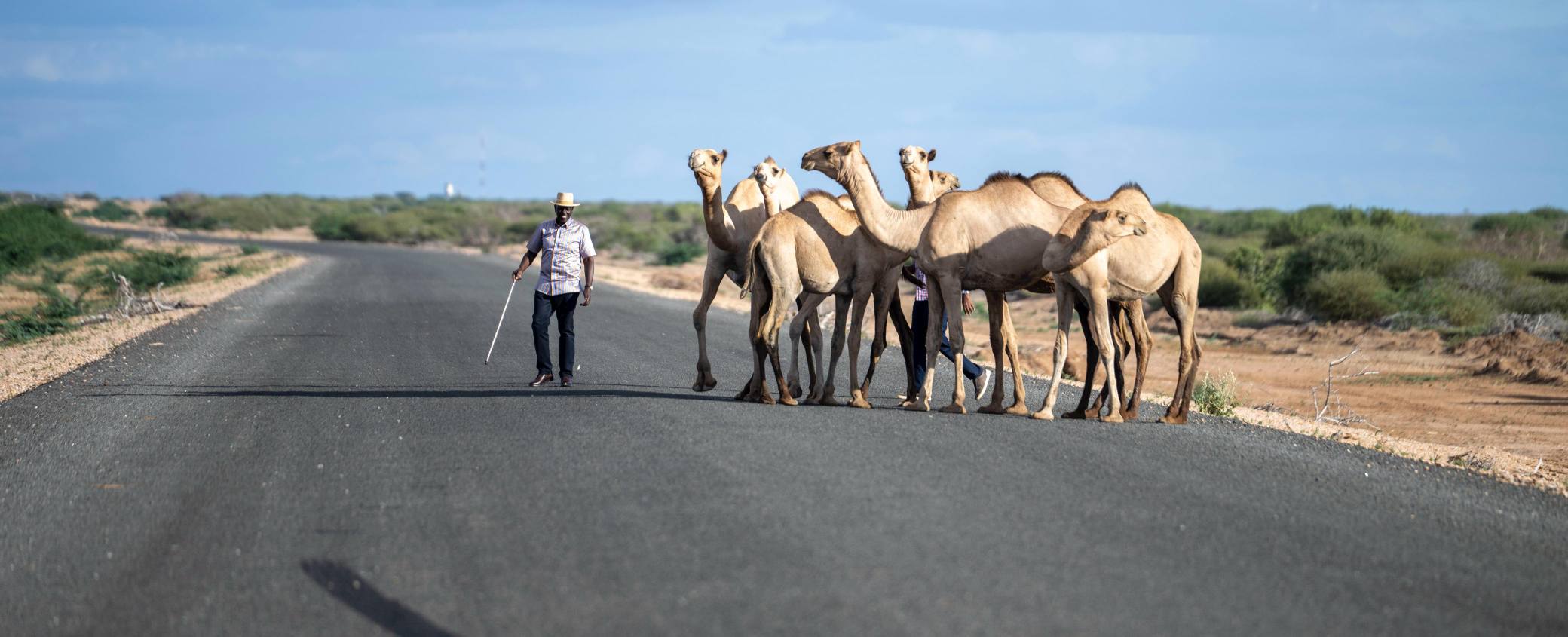
Kenya’s proposed Camel Centre of Excellence seeks to advance research, improve animal health and expand market opportunities for pastoralist communities.
Stakeholders reviewing the proposed Camel Centre have called for sustainable financing, coordinated research and strong pastoralist participation to support its implementation.
From tackling camel diseases to supporting women- and youth-led enterprises, the proposed Centre aims to strengthen livelihoods and climate resilience in Kenya’s drylands.
Stakeholders have reviewed plans for the proposed Kenya Camel Centre of Excellence, an initiative intended to strengthen camel research, address production challenges and expand economic opportunities for pastoralist communities.
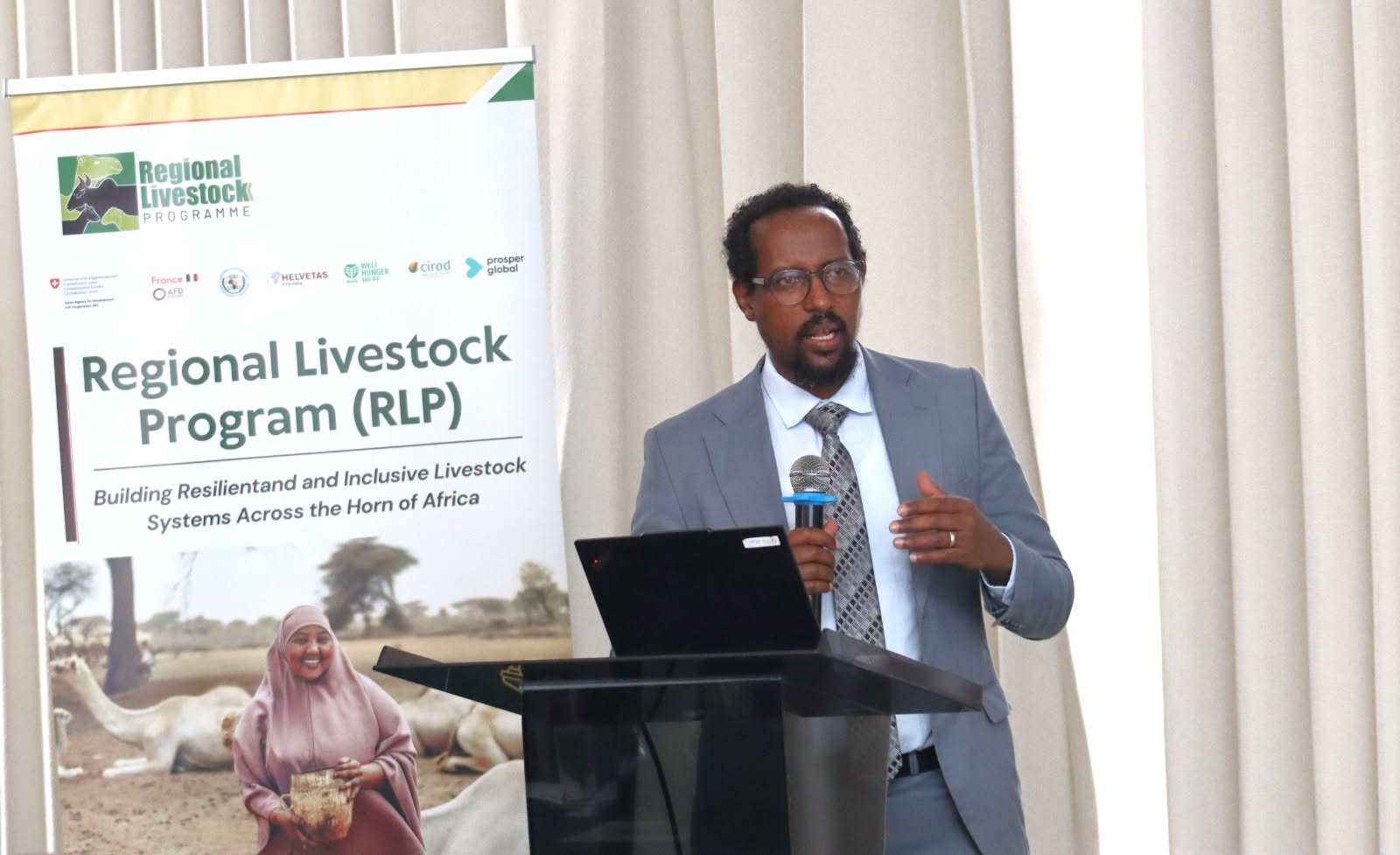
The Centre is envisioned as a platform to coordinate research, innovation, animal health interventions, and market development, while supporting camels' role in food security and climate adaptation across Kenya’s arid and semi-arid regions.
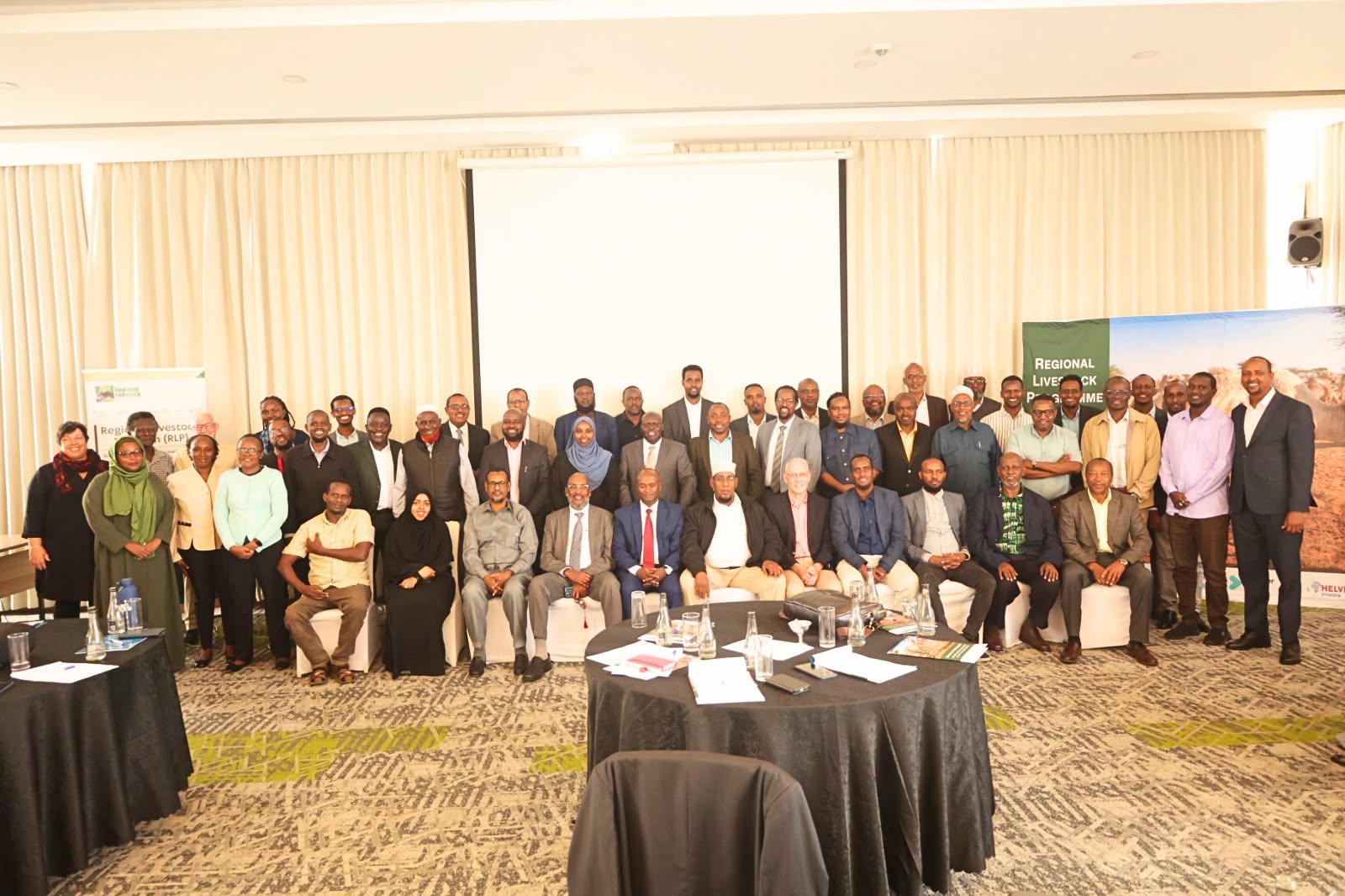
According to the Drylands Learning and Capacity Building Initiative (DLCI), a stakeholder validation workshop brought together government institutions, researchers and development partners to review a study and recommendations for establishing the Centre.
Participants included DLCI, Prosper Global, formerly Mercy Corps Kenya, under the Regional Livestock Programme, Swiss Development and Cooperation, and the Dryland Observatory.
Speaking during the workshop, Mandera West MP Dr Adan Haji Yussuf called for practical steps to translate the Centre's vision into action.
Yussuf, the thematic lead of the Kenya Pastoralist Parliamentary Group’s Pastoralism and Livestock Committee, reaffirmed the group’s commitment to championing the Centre’s operationalisation.
The initiative was adopted as a key resolution of the Fourth Pastoralist Leadership Summit, held in Wajir in December 2024. Discussions have since focused on how to translate that commitment into an institution capable of responding to the needs of camel producers.
The case for the Centre rests on the growing importance of camels to livelihoods, food systems and climate adaptation in dryland areas.
In discussions on the Centre’s proposed role, Professor Abdi Yakub Guliye, Advisor for Livestock and Rangeland Management in the Executive Office of the President, linked camel development to Kenya’s Vision 2030 ambitions.
Guliye highlighted the animals’ adaptation to dryland conditions, noting that camel production areas are expanding as changing climatic conditions reduce the suitability of some areas for cattle.
He also pointed to the economic potential of camel milk and growing consumption of camel milk and meat, presenting an opportunity to strengthen the sector’s contribution to household incomes and food supply.
Tahira Mohamed, of the International Livestock Research Institute (ILRI) and Jameel Observatory, similarly emphasised the need to give greater attention to camels within research and development programmes.
She cited an estimated 19 million camels in the Horn of Africa and a global camel milk market valued at about US$14 billion in 2023 to illustrate the sector’s significance.
DLCI separately noted that eight African countries account for 79 per cent of the global camel population, underscoring the opportunity to strengthen research and investment in the sector.
Despite the opportunities, participants identified gaps in camel health research and surveillance that require urgent attention.
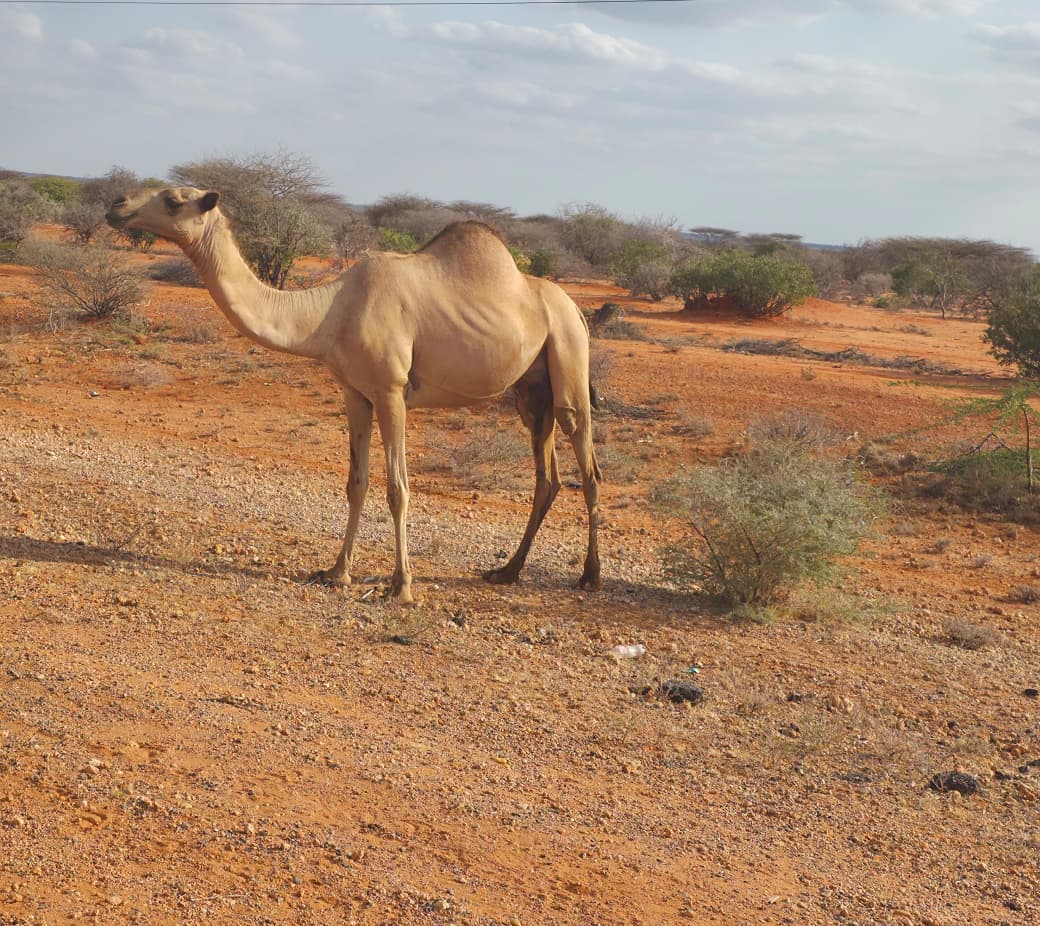
Mohamed highlighted unexplained disease outbreaks across the region as a critical concern, calling for stronger coordination in camel science and One Health surveillance, which considers the connections between animal, human and environmental health.
Pastoralist leader Tumal Orto Galdibe also stressed the need to address immediate disease threats affecting camels in pastoralist areas.
Their contributions placed animal health at the centre of the proposed institution’s agenda, alongside its longer-term research and commercial objectives.
Diba Wako of Mercy Corps reiterated the urgency of addressing camel health threats, explaining that a task force was working on operationalisation and financing plans while bringing relevant voices into the process.
A panel moderated by ILRI’s Ekta Patel at the Pastoralists’ Leadership Summit (PLS) explored how the Centre could connect scientific expertise with practical opportunities for producers and businesses.
Participants identified opportunities to turn increased milk production into stronger market prospects, expand employment and livelihoods, and improve access to knowledge and expertise.
Mohamed proposed three areas for coordinated action: camel science and One Health surveillance, women- and youth-led value chains, and climate-smart rangeland stewardship.
These priorities would connect research with enterprise development and the management of the natural resources on which camel production depends.
From a research perspective, ILRI’s Ilona Gluecks highlighted the institution’s potential to contribute demand-led, solution-focused research and draw on expertise across disciplines and geographical boundaries.
The discussions emphasised the importance of ensuring that research responds to the challenges producers face and contributes to practical improvements in production, animal health and market participation.
Participants also cautioned that expanding the camel economy would require attention to environmental sustainability and the wider role of camels in pastoralist life.
Halima Nenkari, Senior Deputy Director for Livestock Production in the State Department for Livestock Development, raised concerns about feed availability and the implications of increasing camel numbers for rangelands.
Her intervention highlighted a central policy question: how to support growth in production while sustaining the grazing resources needed to maintain it.
Piers Simpkin of Spiers Camel and Livestock Consultants Ltd called for a comprehensive approach that addresses the whole production system, gets the economics and markets right, and provides a reliable knowledge resource.
He cautioned against excessive commercialisation that could undermine the camel’s value as a resilient livestock species.
Audience contributions reinforced the need to protect pastoralists’ participation in the Centre’s work and recognise the social and cultural significance of camels. Participants noted that these values can matter more to owners than financial returns alone.
The discussions also examined the institutional arrangements needed to sustain the proposed Centre.
Simon Kuria, a Chief Research Scientist at the Kenya Agricultural and Livestock Research Organisation, advocated for physical infrastructure, an autonomous organisation, sustainable financing and strong public-private involvement.
Mohamed Ibrahim Elmi, Chair of Kenya’s National Livestock Development and Promotion Service, said the Centre’s success would depend on its ability to respond to diverse needs, including research, genetics, animal health and markets, supported by an appropriate financing model.
These contributions underscored the importance of establishing clear responsibilities and a durable institutional structure as stakeholders work towards implementation.
Wako described the proposed Centre as an opportunity to replace fragmented interventions with a coordinated approach to research, innovation and commercialisation.
The validation process reinforced the need for collective ownership and sustained collaboration among government institutions, researchers, development partners, businesses and pastoralist communities.
For pastoralists, the Centre’s potential lies in its ability to connect research with practical improvements in animal health, productivity, market access and climate resilience. Delivering those benefits will depend on translating the proposal into a sustainably financed institution that remains responsive to producers’ needs.