

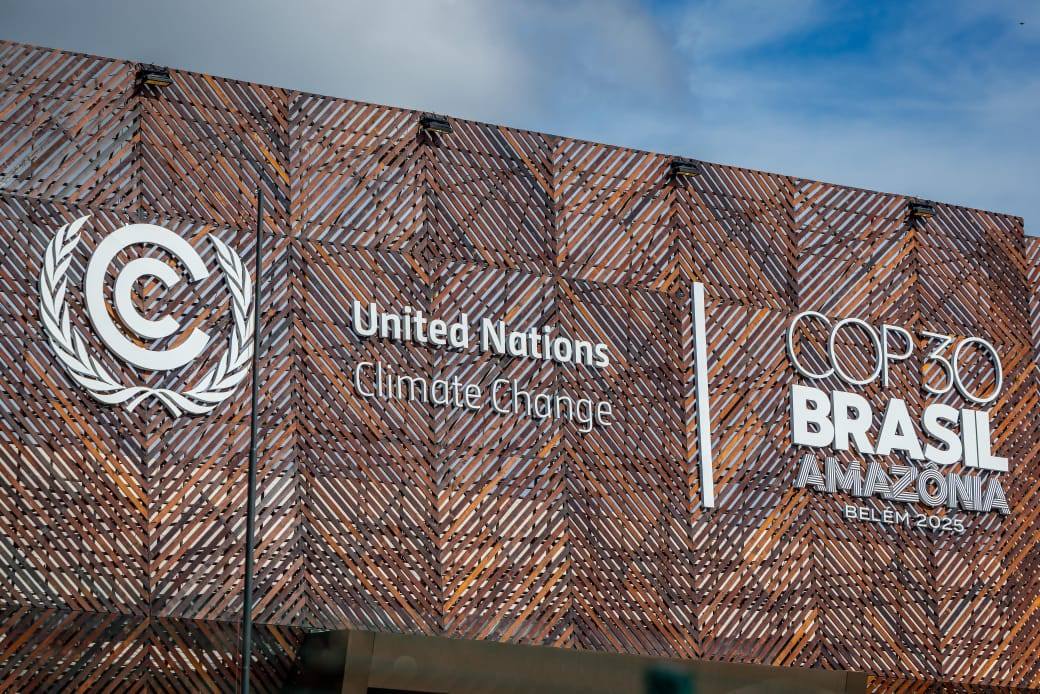
As global leaders gather at COP30 in Belém, Brazil, the Rural Communities Development Alliance (RACIDA) is highlighting the urgent challenges facing communities living on the frontlines of the climate crisis.
For pastoralist and agro-pastoralist families across dryland regions, the impacts of climate change are immediate and tangible, affecting access to food and water, stability, and overall survival.
RACIDA is emphasising the need for climate action that is inclusive, accountable, and responsive to the realities of those most affected.
Central to this approach is building community resilience through climate-smart agriculture, land restoration, and enhanced local disaster preparedness.
Strengthening the capacity of communities to anticipate and respond to climate shocks is seen as a critical step in ensuring long-term sustainability and reducing vulnerability.
In addition to resilience, RACIDA underscores the importance of promoting peace and security in environmentally stressed areas.
Supporting dialogue and conflict-resolution mechanisms is essential in regions where resource scarcity exacerbates tensions, threatening both livelihoods and social cohesion.
Ensuring food security and nutrition is another key focus. By scaling climate-adapted farming techniques, expanding fodder production, and fostering sustainable livelihoods, communities can better withstand the impacts of climate variability while improving their overall well-being.
At COP30, RACIDA is urging global partners to prioritize investments in locally led solutions and to ensure that climate finance reaches the communities that need it most.
Effective allocation of resources is seen as fundamental to driving meaningful adaptation, supporting sustainable development, and building resilient, thriving communities across vulnerable dryland areas.