
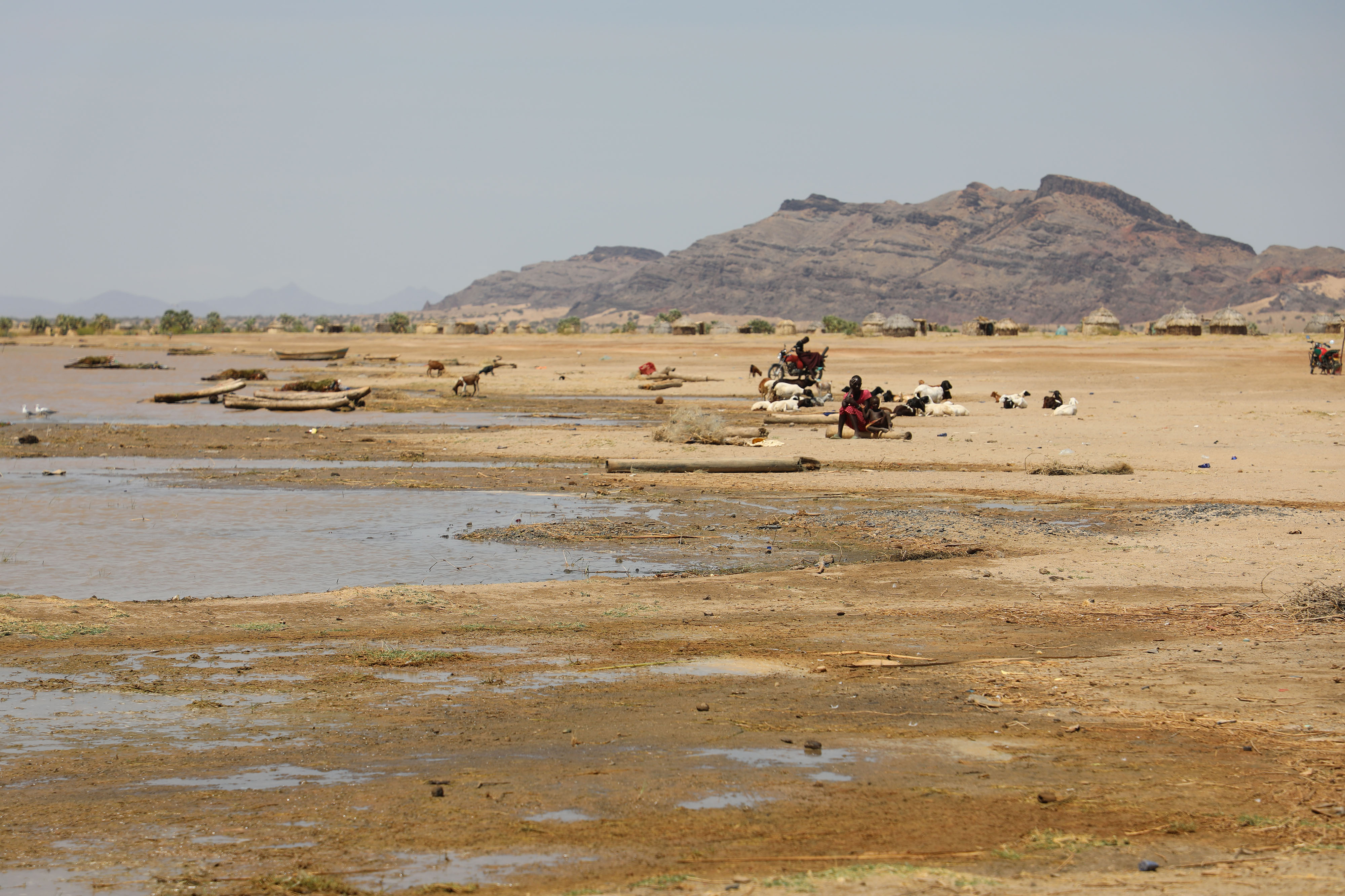
Somalia is facing a deepening food crisis as poor rainfall, recurrent droughts, and ongoing conflict push an estimated 4.4 million people, nearly a quarter of the population, into acute hunger.
According to Concern Worldwide, the food security situation is expected to worsen through the end of the year, with below-average rainfall forecast for the critical Deyr season between October and December.
The continuing drought across the Horn of Africa has already left more than 6.5 million people food insecure and 2.5 million children malnourished in Somalia, Kenya, and Ethiopia.
In Somalia alone, between July and September 2025, 624,000 people experienced emergency levels of acute food insecurity (IPC Phase 4), while 2.8 million were in crisis levels (IPC Phase 3).
The number of people facing severe hunger is projected to rise sharply as rainfall shortages and insecurity disrupt livelihoods and food production.
Concern Worldwide reports that displaced populations in urban areas of Bay and Bakool are among the hardest hit, with food security conditions deteriorating from crisis to emergency levels. The crisis is compounded by decades of climatic shocks. Somalia has experienced consistent rainfall failure almost every year since 2011, except for one adequate season in 2013.
The 2011 famine claimed over 260,000 lives, and although famine has been averted in recent years, millions remain on the brink.
Across the border, Kenya’s arid and semi-arid lands are also reeling from worsening drought, with 20 out of 23 counties now affected.
The Intergovernmental Authority on Development (IGAD) has warned of a high likelihood of crop failure, widespread livestock deaths, and acute water scarcity.
Nearly 742,000 Kenyan children under five and 109,000 pregnant and breastfeeding women are acutely malnourished and in urgent need of treatment.
The situation is equally dire in Ethiopia’s Somali Region, where multiple failed rainy seasons since 2021 have led to severe water and pasture shortages.
Livestock conditions have deteriorated, and child malnutrition has surpassed emergency thresholds, affecting more than 15 per cent of children in some areas.
Funding cuts for health and nutrition programs have further worsened the crisis.
A 2023 report by the World Weather Attribution group concluded that climate change has made droughts in the Horn of Africa about 100 times more likely and more intense.
Experts warn that without urgent and sustained intervention, millions of vulnerable people could face starvation.
In Somalia, Concern Worldwide is scaling up its humanitarian response through the Somali Cash Consortium, providing direct cash assistance to families to help them meet essential needs.
The organisation is also supporting emergency nutrition programs, community hygiene promotion, and the rehabilitation of water systems.
These interventions have been critical in preventing further loss of life and helping families cope with ongoing shocks.
Concern’s Country Director for Somalia, Richard Nunn, said the ongoing crisis is being exacerbated by major funding shortfalls.
“The current drought is occurring in the wake of recent funding cuts, which have resulted in significant gaps across the humanitarian response. By October, just 21 per cent of the humanitarian funding needed for Somalia this year had been provided,” he said.
Nunn warned that the shortfall is particularly acute in the health sector, with at least 170 health facilities affected by funding cuts.
“These gaps in assistance will exacerbate the impacts of droughts and other emergencies,” he said, urging the international community to increase financial support.
“We appeal to the global public and donors to keep their eyes on Somalia and to step up financial support to maintain life-saving functions, recovery programs, and critical information systems,” Nunn added.
Despite the challenges, humanitarian efforts and early warning systems have helped avert famine in recent years.