
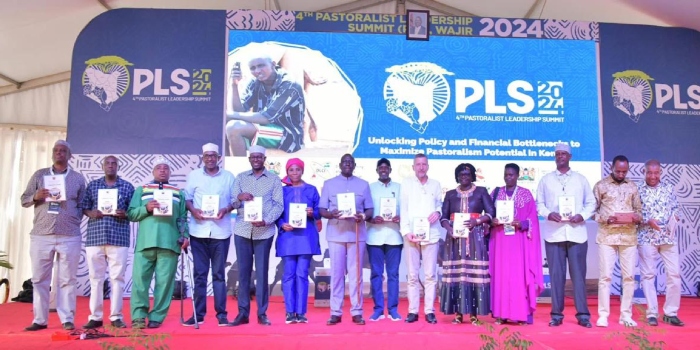
Pastoralist communities across Kenya are set to benefit from unprecedented levels of government accountability and follow-through after resolutions from the 4th Pastoralist Leadership Summit (PLS) were formally integrated into the Presidential Delivery Management and Information System (PDMIS) for the first time in the summit’s history.
The landmark move elevates pastoralist priorities to the highest level of national oversight, ensuring that commitments made during the summit are no longer left to chance or delayed by bureaucratic gaps.
With PLS resolutions now embedded in a structured national delivery framework, ministries and government agencies are required to report directly to the Presidency on progress, challenges, and sector milestones.
This shift is already generating measurable impact. Clearer targets, stronger accountability mechanisms, and timely follow-up have led to faster action across institutions tasked with addressing longstanding challenges in pastoralist regions.
Areas such as drought management, livestock development, rangeland restoration, security coordination, water access, and infrastructure improvement are now subject to rigorous, real-time monitoring.
Leaders say this represents a turning point for regions that have historically been underserved.
According to the Drylands Learning and Capacity Building Initiative, the integration of PLS resolutions into PDMIS means that pastoralist issues, once seen as peripheral, are now central to national development tracking and presidential oversight.
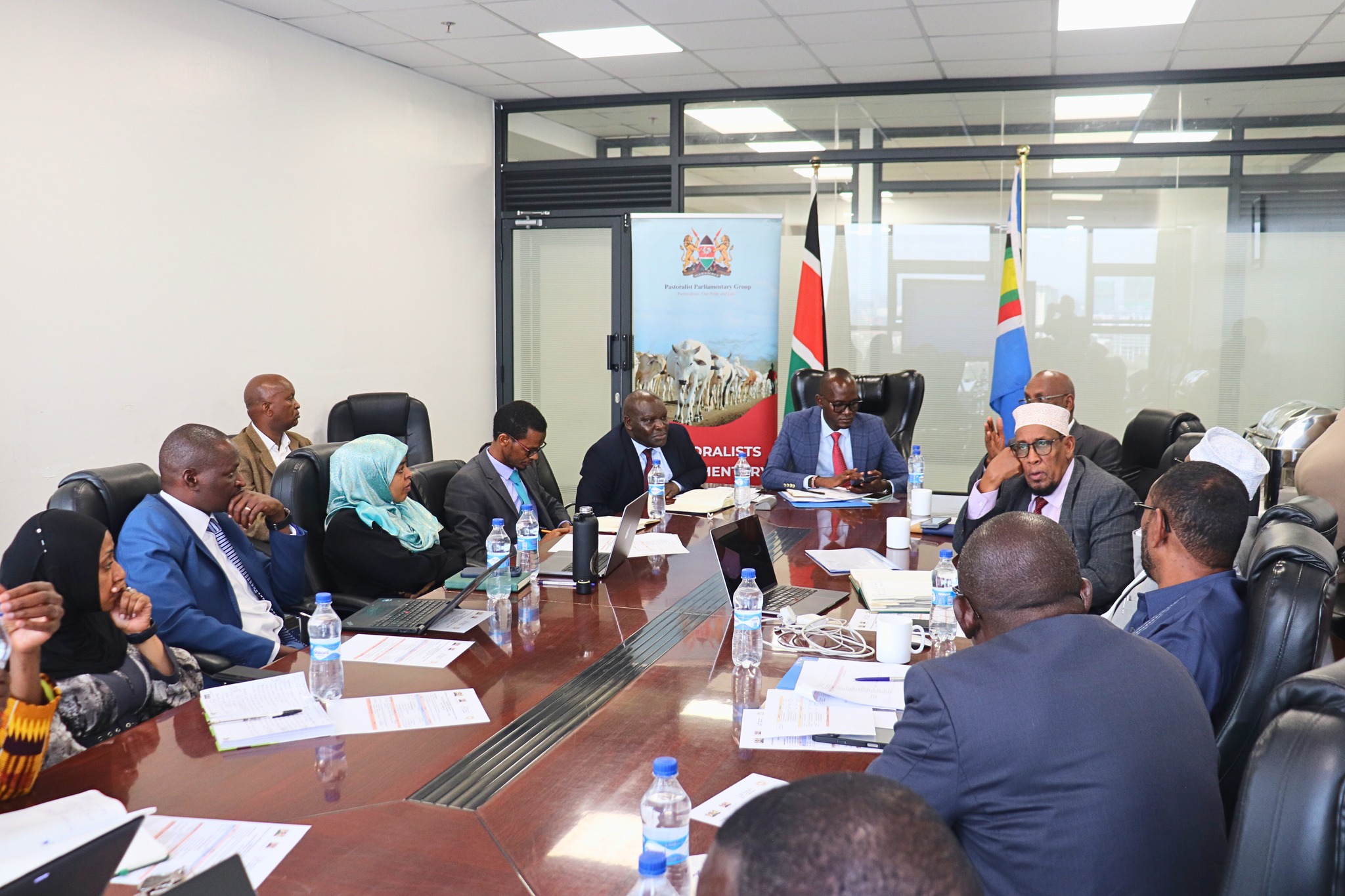
According to stakeholders, the new model ensures that pledges made at the summit are no longer symbolic.
They are tracked, enforced, and translated into tangible change where it matters most: improved service delivery, responsive systems, and accelerated development for pastoralist communities.
With this strengthened accountability and renewed political will, pastoralist leaders and development partners are optimistic that the reforms will lay a strong foundation for sustainable growth, resilience, and equitable development in Kenya’s arid and semi-arid lands.