
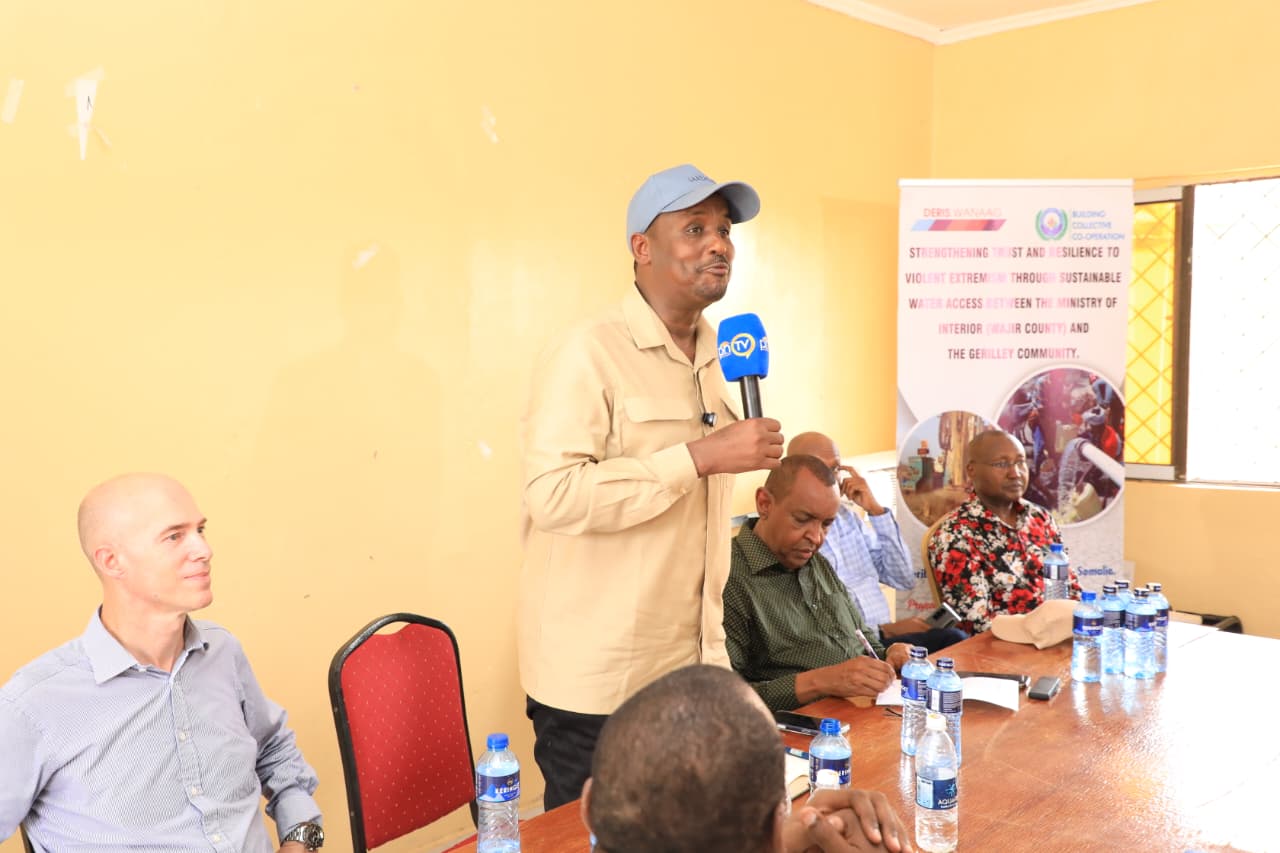
Efforts to strengthen peace, stability, and climate resilience in Kenya’s borderlands have received a boost following the completion of a community water project in Geriley along the Kenya–Somalia frontier.
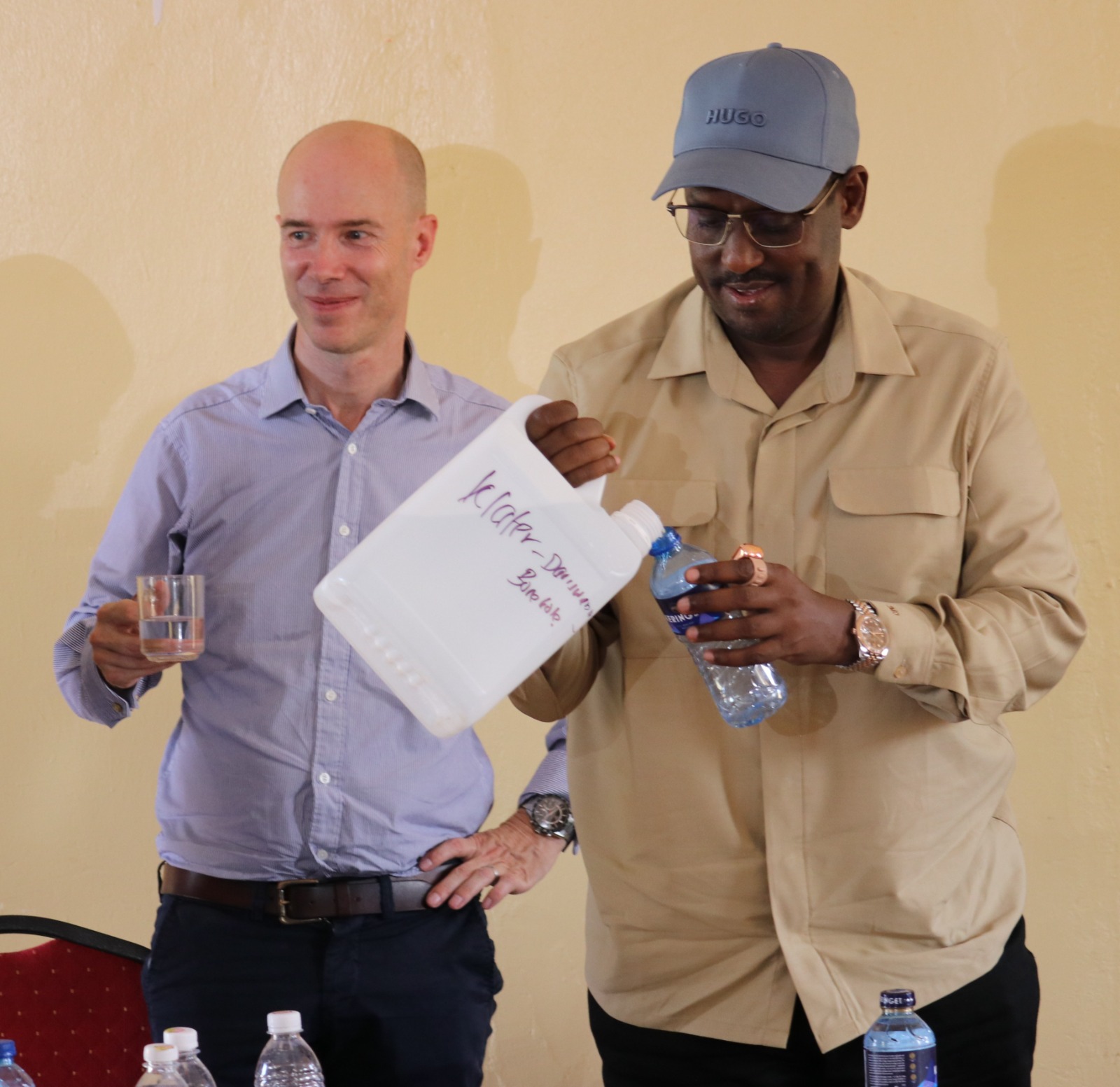
The initiative, delivered under the Deris Wanaag (Good Neighbourliness) Borderlands Programme and supported by the British High Commission in Kenya, culminated in the gifting of a new borehole to the local community, an intervention designed to address water scarcity identified by residents as a key driver of conflict, insecurity, and vulnerability to radicalisation.
Community leaders in the region have long cited limited access to reliable water sources as a major source of tension, particularly in areas where pastoral livelihoods depend heavily on scarce natural resources.
By improving water availability, the borehole is expected to reduce competition over resources while strengthening cooperation among neighbouring communities.
Beyond peacebuilding, the project is also aimed at enhancing resilience to climate change in a region frequently affected by prolonged drought and erratic rainfall.
Improved access to safe water is expected to support household wellbeing, sustain livestock, and reduce the burden on families, especially women and children, who often travel long distances in search of water.
The borehole forms part of broader community-driven approaches to stability supported through the borderlands programme, which emphasises locally identified solutions to insecurity and social fragility across northern Kenya and the wider region.
Stakeholders involved in the initiative say aligning peacebuilding with climate adaptation and basic service delivery is critical to addressing the root causes of instability in frontier areas.
They note that sustainable development interventions, such as water infrastructure, can play a vital role in preventing conflict before it escalates.
The completion of the Geriley borehole marks the close of the Deris Wanaag programme but is expected to leave a lasting impact by improving livelihoods, promoting coexistence, and reinforcing resilience among communities living along one of the region’s most fragile borders.