
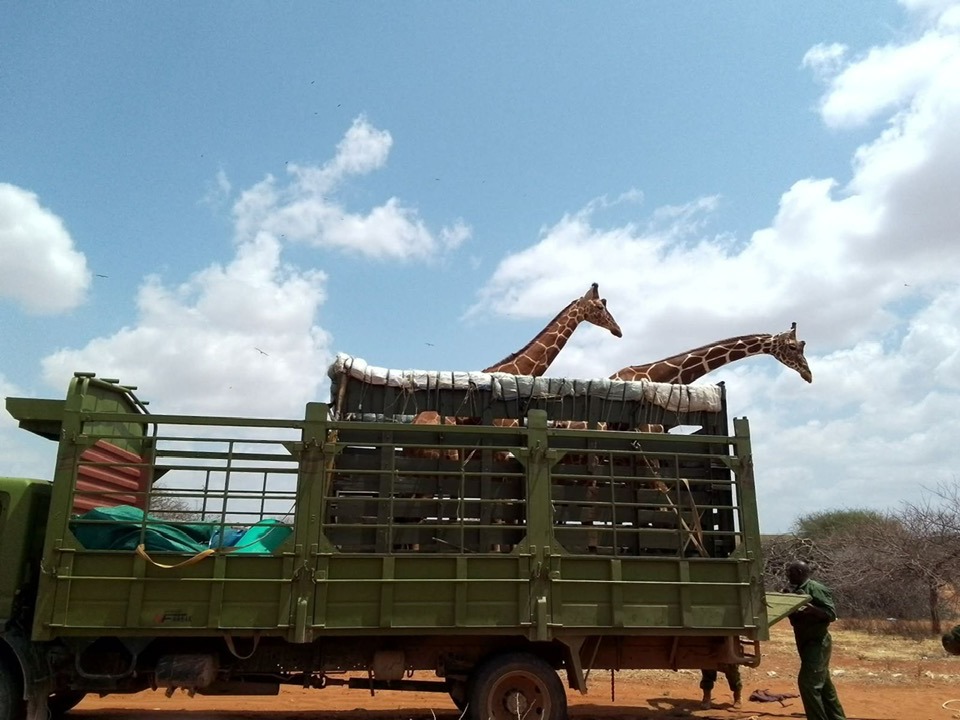
A wave of outrage has erupted across Northern Kenya following reports that the Kenya Wildlife Service (KWS) secretly and unlawfully relocated two orphaned Somali giraffes from Wajir County to a private sanctuary in Nanyuki without consultation.
According to community representatives, the young giraffes, who had lost their mother, were being cared for by residents and conservation volunteers in Wajir.
The animals had become a symbol of community-led conservation in the arid region, where residents have worked tirelessly to protect wildlife despite harsh conditions.
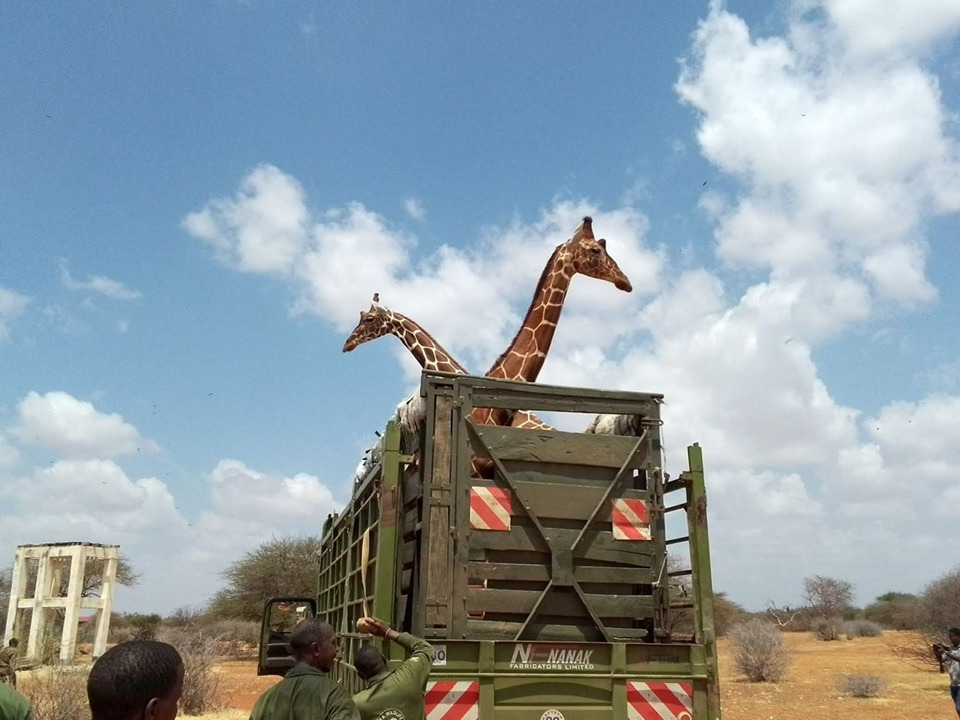
Leaders from the region have condemned KWS’s move, describing it as a violation of conservation principles, community rights, and the spirit of devolution.
They said that neither local leaders, conservation experts, nor the affected communities were consulted before the translocation took place.
The leaders demanded the immediate return of the two giraffes to Wajir County, as well as full transparency and accountability from KWS regarding the decision-making process and any involvement of private entities.
They also called for a moratorium on future wildlife translocations from Northern Kenya without the formal consent of affected counties and communities.
The statement emphasised that the people of Northern Kenya have consistently demonstrated their commitment to protecting wildlife and natural ecosystems, even amid insecurity and resource scarcity.
The leaders warned that unilateral actions such as this threaten to erode community trust and cooperation in conservation initiatives.
KWS has yet to issue an official response to the allegations.
However, the incident has reignited debate over the role of local communities in wildlife conservation and the balance between national authority and devolved governance in managing Kenya’s natural heritage.