
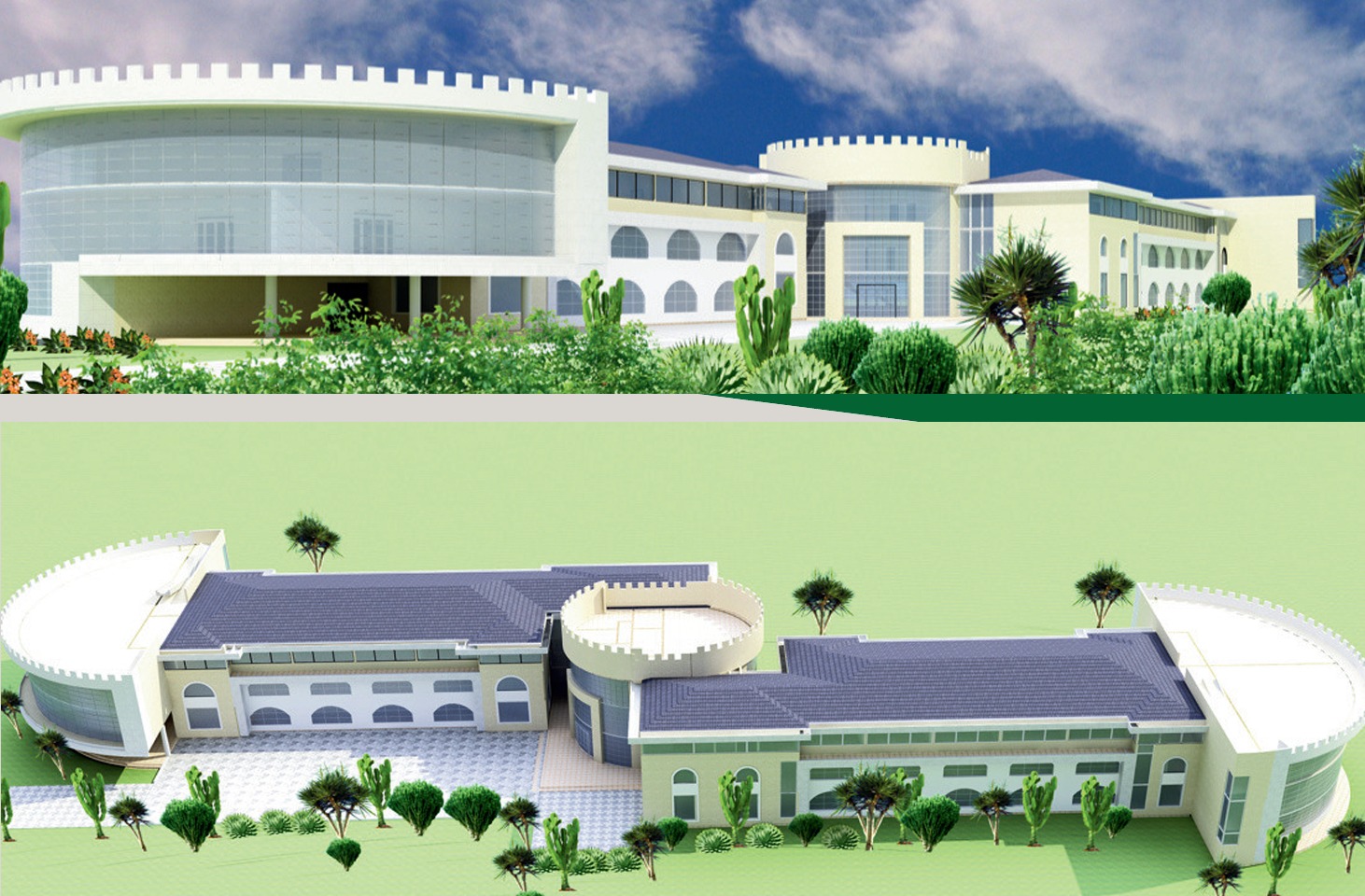
NAIROBI, Kenya, August 16, 2026 — The dream of establishing Wajir County’s first university has received a major financial boost after the Wajir University Trust raised KSh115 million towards the construction of the proposed Wajir Peace University, a project estimated to cost more than KSh2 billion.
The funds were raised during a high-profile fundraising event held at the Nairobi Serena Hotel on Saturday, August 15, bringing together political leaders, professionals, members of the Wajir community, representatives of the private sector, the diaspora and other stakeholders supporting the establishment of the institution.
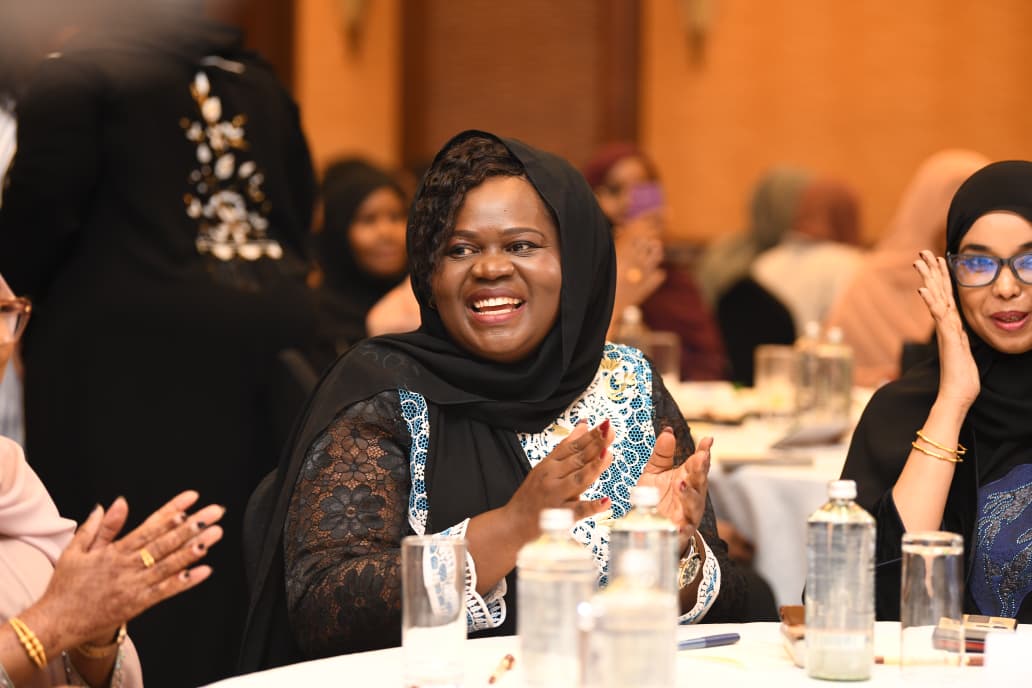
The aviation industry contributed KSh100 million, emerging as the largest contributor to the fundraising drive, while the diaspora community donated KSh1.2 million. Attendees and other supporters at the event raised the balance, pushing the total amount collected to approximately KSh115 million.
The proposed university is envisioned as a specialised institution rooted in Wajir’s internationally recognised history of community-led peacebuilding, while also providing higher education, research, innovation and socioeconomic development opportunities for northern Kenya and the wider Horn of Africa.
Homa Bay Governor Gladys Wanga, who served as chief guest, described the university project as an opportunity to transform Wajir’s peacebuilding legacy into an institution capable of passing its lessons to future generations.
Wanga said Wajir’s experience of communities organising themselves to build and sustain peace during difficult periods had created a legacy whose importance extended beyond the county and Kenya.
“The people of Wajir organised, built and sustained something truly extraordinary. That legacy belongs not only to the people of Wajir, but to Kenya and indeed to the world,” Wanga said.
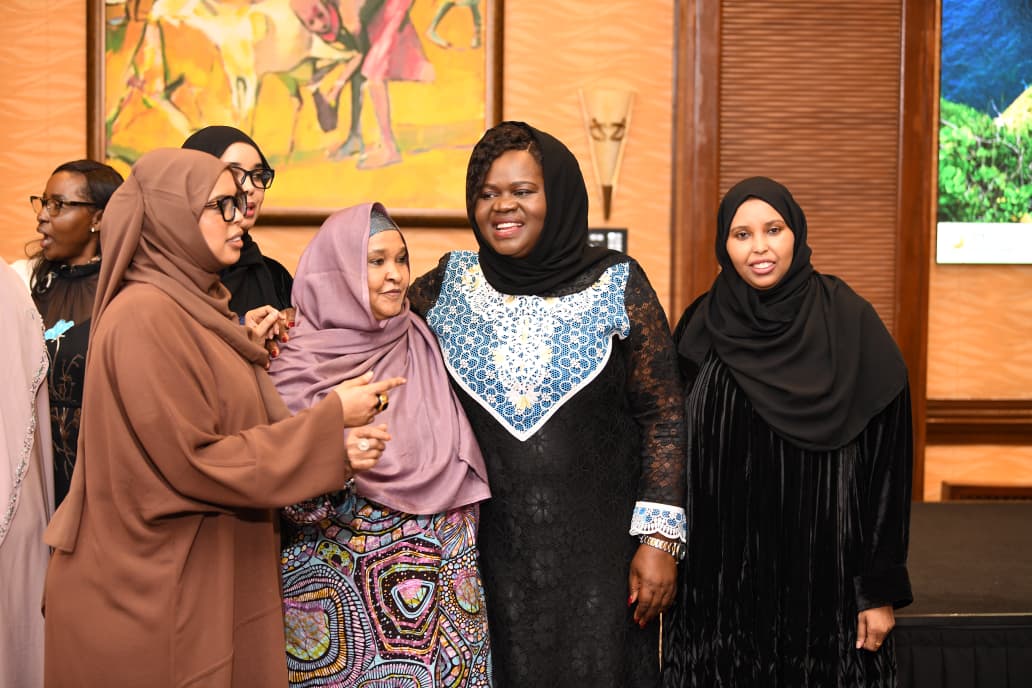
She noted that Wajir’s peacebuilding experience has attracted academic interest beyond Kenya, recalling an account shared during the fundraiser about the Wajir experience being taught as a case study in strategic peace studies.
“That is a powerful testament to the significance of what the women and people of Wajir achieved,” she said.
According to Wanga, establishing a university dedicated to peace would provide an opportunity to preserve the lessons accumulated through decades of community peacebuilding and make them available to students, researchers, policymakers and peace practitioners from across the world.
While acknowledging that Africa already has institutions focusing on peace, conflict resolution and peacebuilding, Wanga said Wajir offered something unique because its proposed university would emerge directly from the lived experience of a community that successfully confronted conflict.
“The Wajir story offers something distinctive: the possibility of a peace university born directly from a real community experience, shaped by ordinary citizens and, most importantly, led by women who demonstrated that communities can build peace even in the most difficult circumstances,” she said.
“The Wajir story should not simply remain history. It is knowledge to be taught, shared and taken to the world.”
Wajir's peacebuilding story has for decades been closely associated with grassroots interventions involving women, elders, religious leaders, professionals and other community actors who mobilised to address conflict and restore peaceful coexistence.
Wanga said institutionalising that history through a university would ensure the lessons are preserved while creating a centre capable of developing new approaches to peacebuilding, conflict management and community resilience.
She further linked the initiative to Kenya’s broader journey towards inclusion, equity and greater recognition of communities and regions that have historically experienced marginalisation.
The governor cited the hosting of national Madaraka Day celebrations in Wajir as one example of the growing national recognition of northern Kenya.
“When we witnessed the Madaraka Day celebrations in Wajir and saw the Government acknowledge what had been excluded for so long, many of us watched with deep emotion,” she said.
Wanga pledged to remain involved in the university initiative beyond the Nairobi fundraiser and called on political leaders and stakeholders to sustain momentum towards making the institution a reality.
“We will work together with the Chair, the Board and all stakeholders. We are not stopping today,” she said.
She further expressed hope that President William Ruto would eventually be invited to support the initiative at a future event, saying she would be willing to serve as chief host.
Wanga also placed particular emphasis on the contribution of women to the Wajir peace movement, describing the university as a project whose significance extends to women across Kenya.
“This is not just a journey for Wajir. It is not just a journey for the women of Wajir. It is a journey for women across Kenya who have demonstrated that when communities come together, they can create something extraordinary,” she said.
“The Wajir story is a story of courage, leadership, resilience and peace. It is a story worth preserving, institutionalising and sharing with the world.”
In remarks shared following the event, Wanga said the fundraising campaign was intended to lay the foundation for a premier institution serving both northern Kenya and the wider region.
“I joined the leadership of Wajir County along with various stakeholders from Northern Kenya to launch the Wajir Peace University Fundraising Campaign aimed at establishing Wajir Peace University,” she said.
“By coming together for this initiative, we are laying a solid foundation for a premier institution of higher learning that will promote not only education, but also peacebuilding, research, innovation, and socioeconomic development in Northern Kenya and the Horn of Africa.”
Wajir Woman Representative Fatuma Jehow described the fundraiser as a historic milestone in efforts to establish the institution, saying Wajir had built a strong reputation around peace, tolerance, resilience and academic achievement but had remained without a university of its own.
“Wajir has long built a remarkable reputation as a home of peace, tolerance, resilience and academic excellence,” Jehow said.
She said generations of people from the county had excelled academically and risen to influential positions in Kenya’s education sector, public service and other professions despite the absence of a local university.
“Yet, for all this achievement, one dream has remained unfinished: Wajir has never had a university of its own—an institution that could nurture our young people at home, expand opportunity and build a lasting centre of knowledge, innovation and leadership in our county,” she said.
Jehow described the Nairobi event as more than a mobilisation of financial resources, saying it demonstrated confidence in Wajir’s young people and the county’s long-term potential.
“Alhamdulillah, the first major step towards establishing Wajir Peace University has been made, following a historic fundraising event in Nairobi on Saturday,” she said.
“It was more than a fundraiser. It was a declaration of faith in our young people, a vote of confidence in Wajir, and an investment in the future of generations yet unborn.”
The Woman Representative thanked elected leaders, women leaders, professionals, experts, well-wishers, members of the Wajir community and other supporters who contributed resources and expertise towards the campaign.
She said establishing the institution would enable Wajir to turn its history of peacebuilding and academic achievement into opportunities for thousands of young people.
“Our story is one of peace, education and possibility. We must now turn that story into an institution that gives thousands of young people the knowledge, confidence and hope to shape their own futures,” Jehow said.
“InshaAllah, Wajir Peace University will become a beacon of education, peace and opportunity—not only for Wajir, but for Kenya and beyond.”
Although the KSh115 million raised represents a significant start, the university's estimated construction cost of more than KSh2 billion means the Wajir University Trust and its partners will require sustained fundraising and broader institutional support to deliver the project.
The scale of Saturday’s contribution, particularly the KSh100 million commitment from the aviation industry, however, provides an early boost to the campaign and signals growing private-sector and community interest in the initiative.
Wanga called for continued generosity and collective ownership of the project, arguing that investment in the university would ultimately be an investment in peace, education and future generations.
“Let us invest in this legacy. Let us build an institution that will teach future generations that peace is possible, that communities have the power to transform their circumstances, and that women can lead the way,” Wanga said.
“Let us build the Wajir Peace University together. I will walk the whole journey to the 15 million USD together.”
If realised, the university is expected to provide Wajir with a permanent institution of higher learning while positioning the county as a centre for the study of peace, conflict resolution, community resilience and locally driven peacebuilding.
For its proponents, the project is ultimately intended to do more than construct classrooms and lecture halls. It seeks to transform Wajir’s lived experience of overcoming conflict through community action into an enduring academic legacy, one that can be studied, refined and shared across Kenya, the Horn of Africa and the world.