
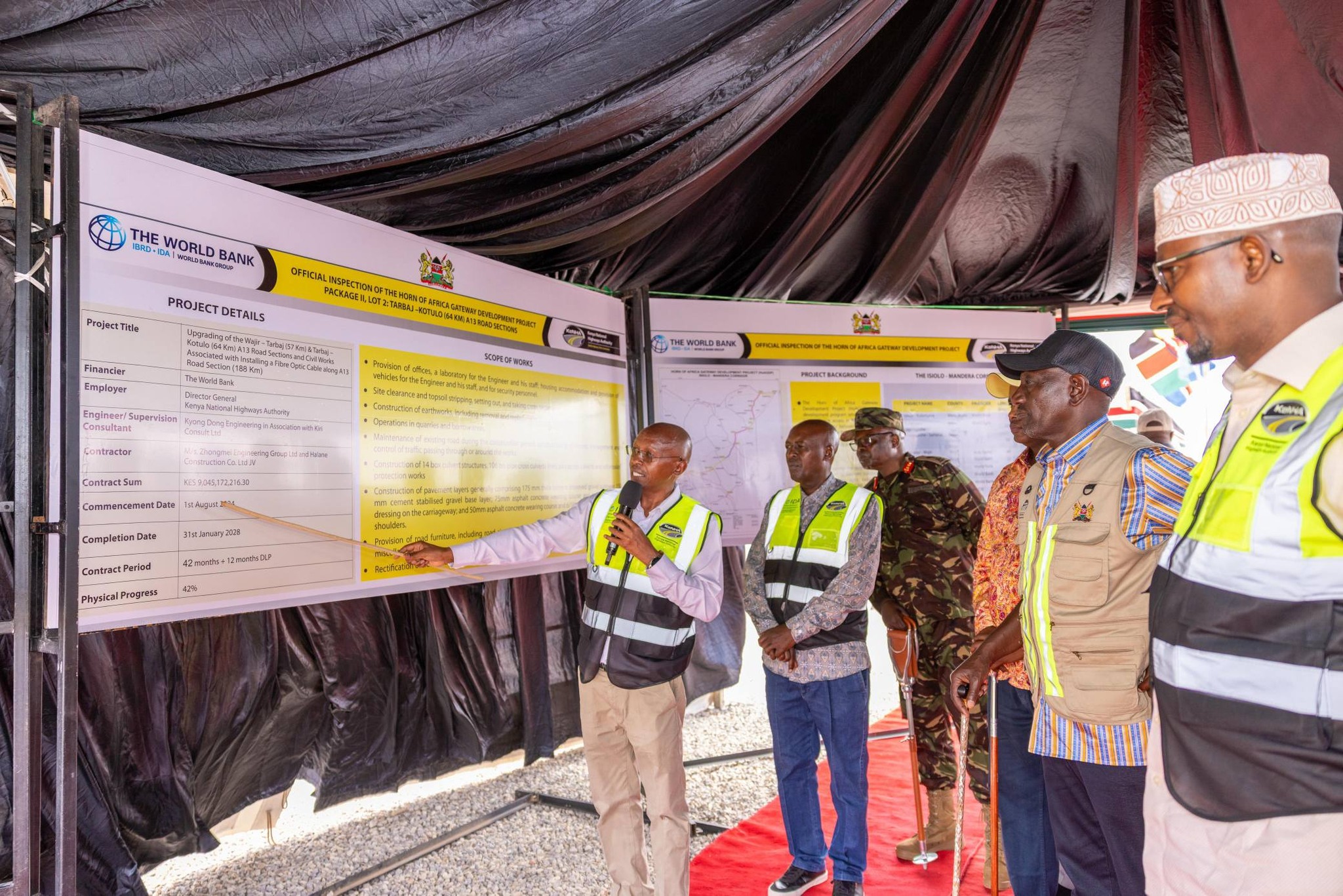
Wajir County is poised for a major socio-economic transformation following the announcement of a KSh15 billion government investment package targeting markets, affordable housing, student accommodation, water infrastructure, and strategic transport networks.
Speaking during his development tour of Wajir County, President William Ruto said the investments are part of the government's broader agenda to accelerate development in Northern Kenya and unlock the region's vast economic potential.
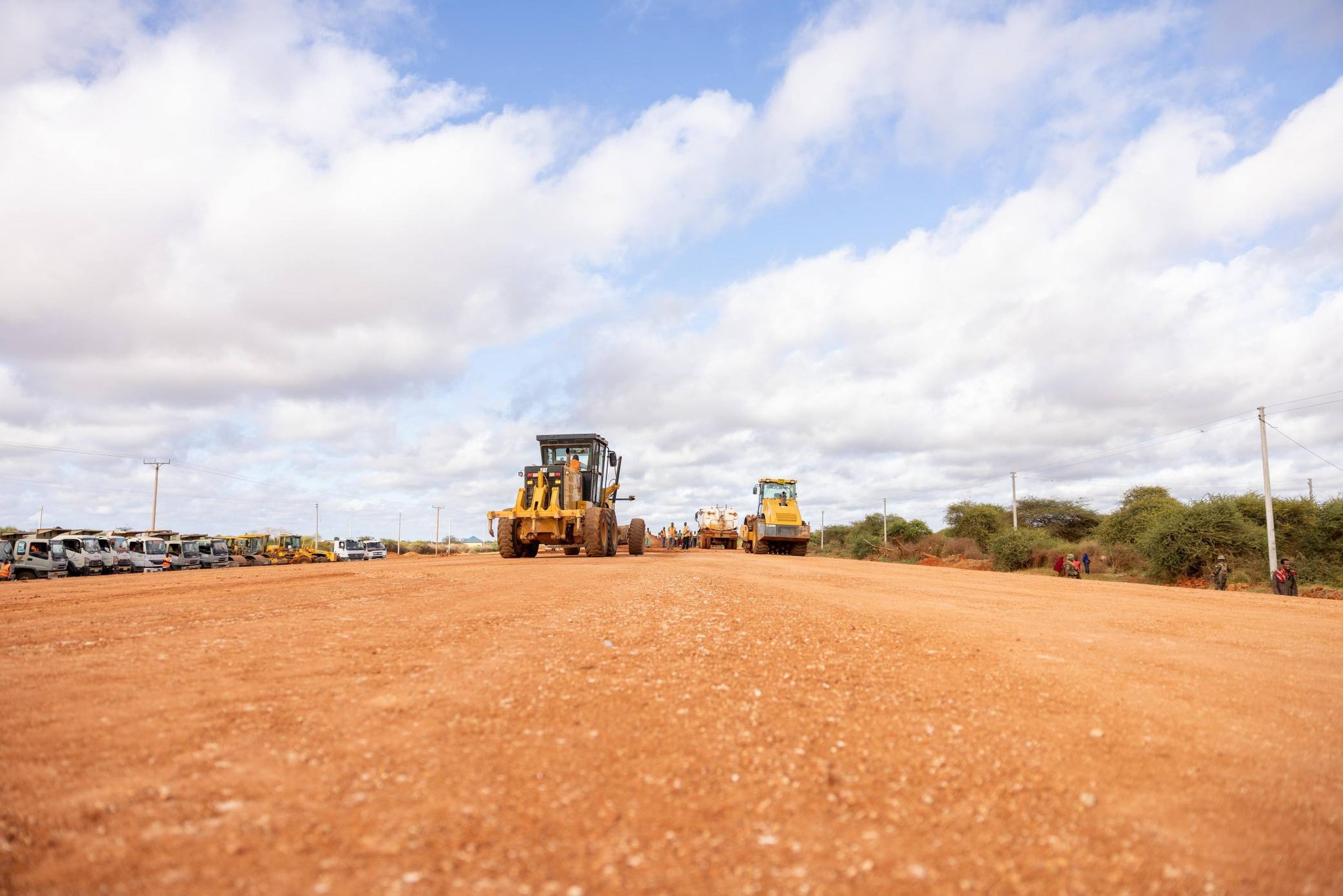
The President revealed that the government is investing KSh15 billion in Wajir County to construct 18 modern markets, 2,000-bed student hostels, and 4,600 affordable housing units.
The projects are expected to create jobs, stimulate local economies, improve living standards, and expand opportunities for residents.
“We are investing KSh15 billion in Wajir County to build 18 modern markets, 2,000-bed student hostels and 4,600 affordable housing units, initiatives that will expand economic opportunities, improve living standards and create jobs for the residents,” President Ruto said.
Modern markets are expected to provide organised trading spaces for thousands of small-scale traders, livestock dealers, and entrepreneurs, while improving market access and strengthening local commerce.
The affordable housing programme is expected to address growing housing demand while creating employment opportunities in the construction sector.
As part of the education investment agenda, the President laid the foundation stone for the coned student hostel at Eldas Teachers Training College in Eldas Constituency.
The project is expected to improve accommodation capacity and enhance access to teacher training opportunities in the region.
Leaders say the investment will strengthen the education sector by creating a more conducive learning environment for trainees and supporting the government's efforts to improve the quality of education.
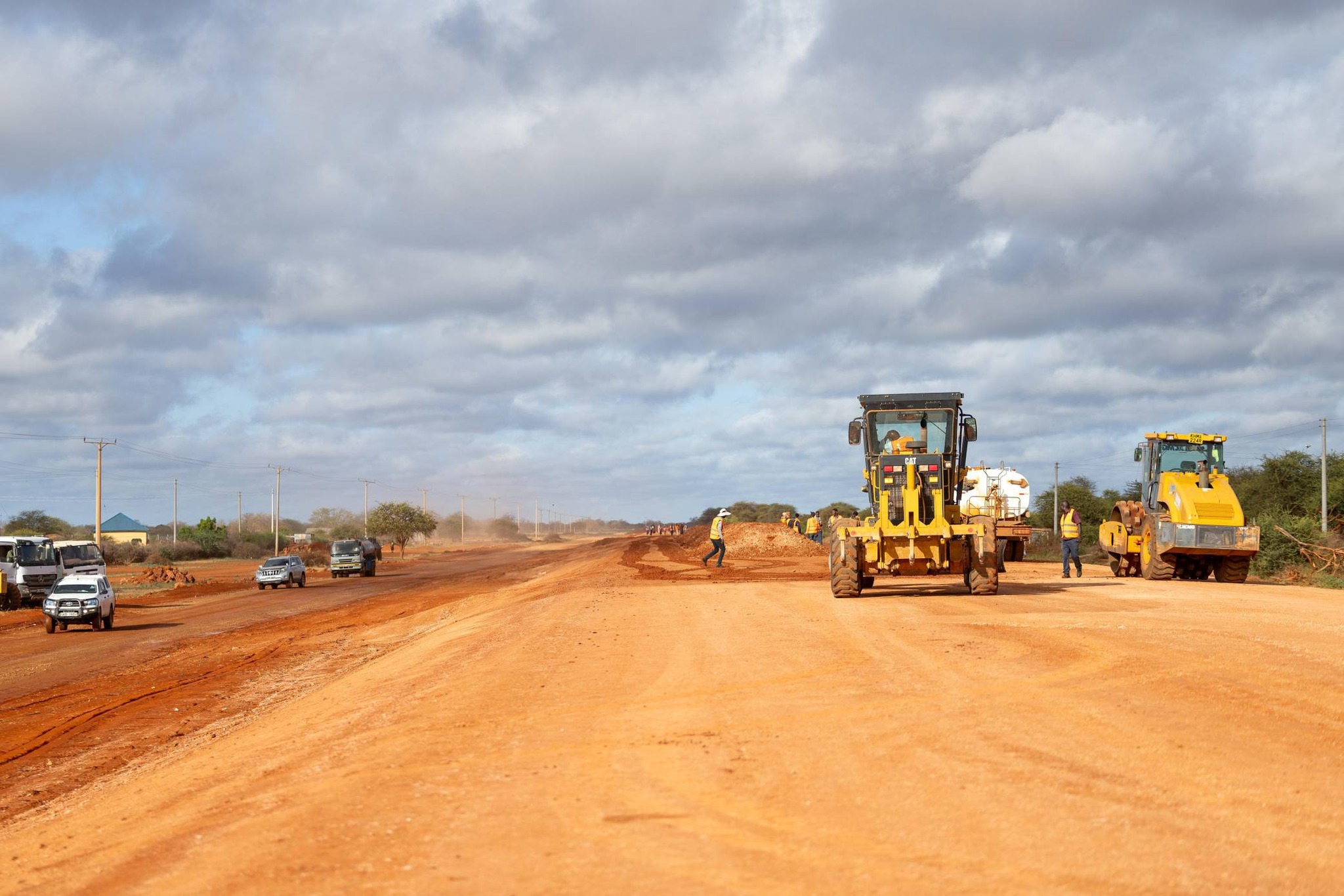
President Ruto also used the occasion to encourage parents across Northern Kenya to prioritise education and take advantage of the growing investments being made in schools, colleges, and training institutions.
“Parents across Northern Kenya should take full advantage of the Government's investment in education by ensuring their children attend school,” he said.
Water infrastructure also featured prominently in the development agenda.
The President commissioned the KSh460 million Eldas Water Supply Project, which is expected to improve access to clean and reliable water for residents of Eldas and surrounding areas.
To further strengthen water access, the government has committed an additional KSh900 million for expanded water infrastructure projects in the county.
The investments come against the backdrop of improved security across Northern Kenya, which government officials say has created a more conducive environment for development, business growth, and private sector investment.
President Ruto noted that enhanced security has enabled residents to engage more confidently in economic activities, laying the foundation for accelerated growth and prosperity across the region.
“Enhanced security in Northern Kenya has created a secure environment for residents to engage in worthwhile economic activities, laying the foundation for accelerated economic growth and investment,” he said.
A key pillar of the transformation agenda is the ongoing Horn of Africa Gateway Development Project, a KSh100 billion infrastructure programme that will significantly improve regional connectivity and trade.
The project involves the construction of a 750-kilometre transport corridor linking Isiolo, Wajir, and Mandera. The road traverses Isiolo, Meru, Garissa, Wajir, and Mandera counties and is expected to strengthen economic integration within Northern Kenya while enhancing Kenya's trade links with neighbouring Ethiopia and Somalia.
According to the President, the strategic corridor will ease the movement of people and goods, reduce transport costs, improve access to markets, and stimulate cross-border trade, particularly in the livestock sector, which remains a major economic driver in the region.
To accelerate implementation, more than 11 contractors have been deployed across various sections of the corridor.
During the tour, President Ruto inspected progress on the 64-kilometre Tarbaj-Kotulo section of the Isiolo-Mandera road, one of the critical segments of the larger infrastructure project.
Leaders and residents have welcomed the investments, noting that they signal a new era of development for a region that has historically faced infrastructure and economic challenges.
The combination of investments in markets, housing, education, water, and transport infrastructure is expected to strengthen economic productivity, attract investment, create employment, and improve the quality of life for residents.
As implementation continues, government officials say Wajir is increasingly positioning itself as a key economic hub in Northern Kenya, supported by modern infrastructure, improved connectivity, and expanded opportunities for business and human capital development.
The projects form part of the government's broader commitment to ensuring that historically marginalised regions are fully integrated into Kenya's development agenda and benefit from the country's ongoing economic transformation.