
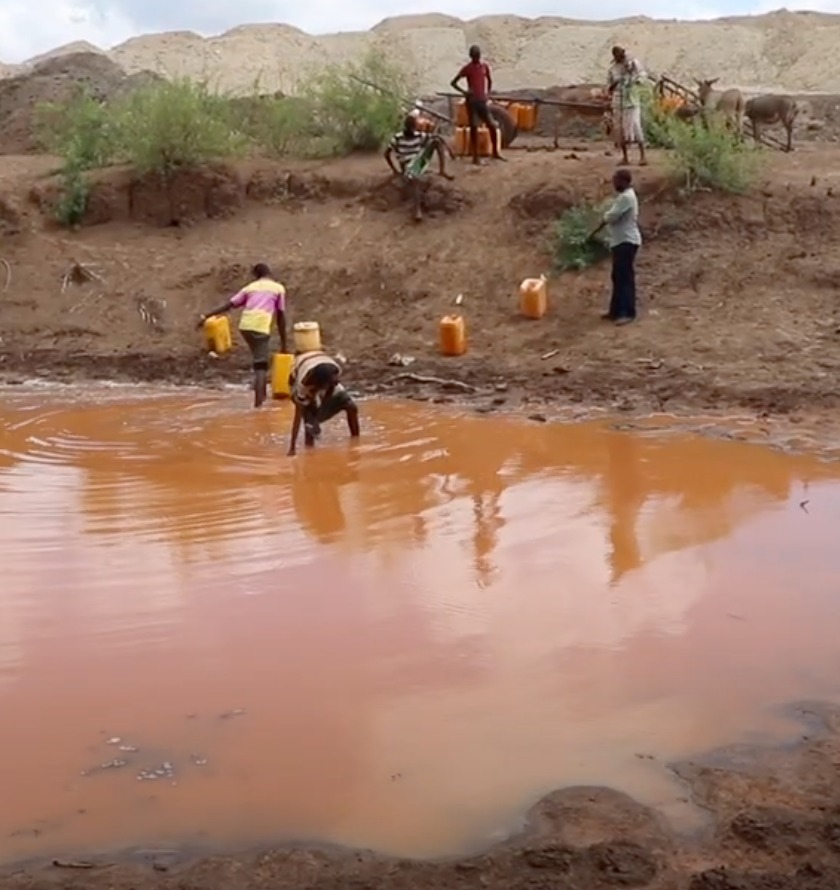
In Marsabit County, the daily search for water has become a gruelling reality for many families as wells have dried up and riverbeds lie bone-dry under the relentless sun.
Residents report trekking for hours, often under scorching heat, just to fill a few jerrycans, a trip that disproportionately falls on women and children.
Local water sources, once relied upon for both domestic use and livestock, have dwindled due to prolonged drought and erratic rainfall.
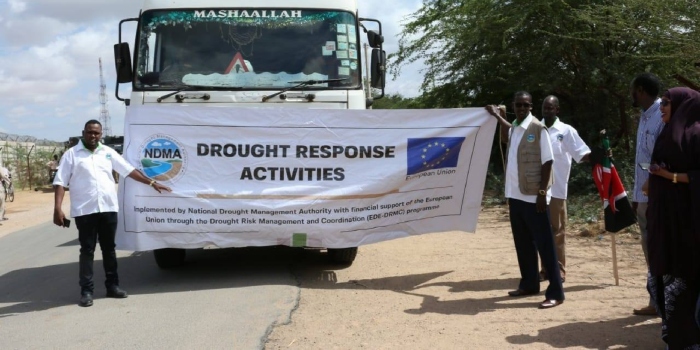
As a result, many communities now depend on shallow wells or distant pans that are increasingly unreliable.
The crisis has not only heightened physical hardship but also worsened health outcomes. According to reports, dehydration and waterborne illnesses are rising, largely because the only available sources are contaminated or saline.
This water scarcity has broader social implications. According to a gender needs assessment, women and girls shoulder a disproportionate burden, walking long distances, risking their safety, and sacrificing time that could otherwise be spent on education or income-generating activities.
To mitigate the crisis, authorities have initiated plans to boost water infrastructure in the county.
Among proposed interventions are new dams, borehole drilling, and desilting of water pans, all aimed at expanding access to safe, potable water.
Still, residents say the pace of action is too slow. Without urgent and sustained support, the daily treks and health risks may only worsen as climate variability deepens.