
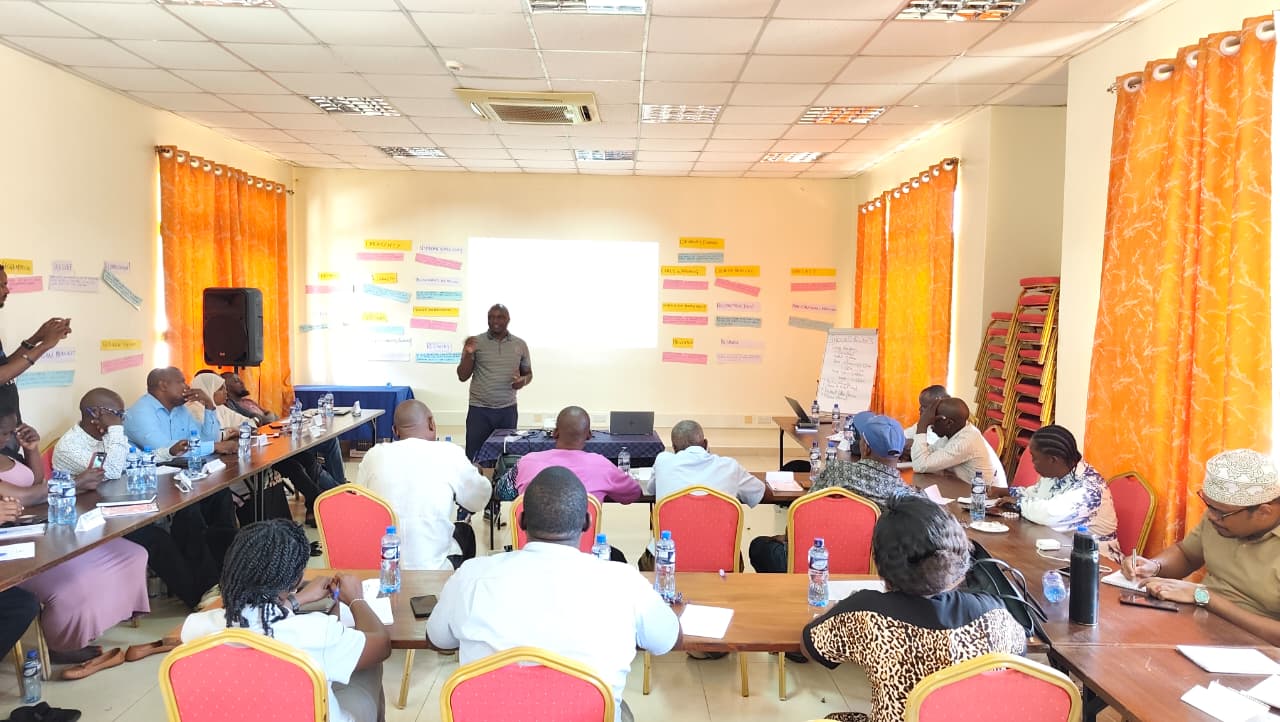
Lamu County has brought together key stakeholders for a four-day capacity-building training aimed at strengthening disaster preparedness, early warning, anticipatory action and coordinated response ahead of forecasted El Niño conditions and other potential hazards facing the County.
The training, organised by World Vision Lamu Branch, has brought together representatives from the County and National Governments, civil society organisations, religious leaders, Kenya Red Cross, community leaders, women and youth representatives, persons with disabilities and other key actors in disaster risk management and community resilience.
The forum seeks to equip stakeholders with the knowledge and practical skills required to anticipate, prepare for and effectively respond to disasters while strengthening community resilience and reducing their potential multiplier effects.
The workshop was officially opened by Lamu County Executive Committee Member for Agriculture, Hon. Jimmy Gichu, together with World Vision Lamu Branch Manager, Mr. Michael Mulei.
Speaking during the opening, Mr. Michael Mulei said the training demonstrates World Vision's commitment to strengthening community preparedness and resilience through collaboration with government and other stakeholders.
“As World Vision, we believe that the best time to prepare for a disaster is before it happens. We have convened this forum to bring together the institutions and community actors who are closest to the risks facing Lamu, so that we can strengthen their capacity to anticipate, prepare and act early. Our commitment is to work alongside the County Government and communities to build a more resilient Lamu, where no one is left behind when disaster strikes.”
Hon. Jimmy Gichu emphasised the importance of coordinated preparedness, particularly given the potential impact of severe weather on agriculture, food security and livelihoods.
“The County Government appreciates the partnership with World Vision and all stakeholders represented here. El Niño and other climate-related hazards can have significant implications for food security, livelihoods and the wellbeing of our people. We are therefore strengthening preparedness across sectors and encouraging our communities to use early-warning information to take timely action. Our approach is to prepare early, coordinate effectively and protect lives and livelihoods.”
Director for Disaster Risk Management and Peace Building, Shee Kupi Shee, urged residents to remain vigilant and prepared while avoiding panic as the County continues to monitor early-warning information.
“Our message to the people of Lamu is simple: remain vigilant, remain prepared, but do not panic. Early warning allows us to act before a hazard becomes a disaster.”
He noted that the County's preparedness approach goes beyond the immediate threat of El Niño to address the wider range of hazards and their potential multiplier effects, including displacement, disruption of livelihoods and essential services, disease outbreaks and increased community tensions.
He further highlighted the importance of integrating disaster preparedness with peacebuilding as the country moves towards the 2027 General Election.
“Disasters can have multiplier effects, including displacement, disruption of livelihoods and essential services, and increased community tensions, particularly during an electioneering period. That is why disaster preparedness and peacebuilding must go hand in hand. Our goal is to move from reacting to emergencies to anticipating risks and taking early action.”
He encouraged communities to pay attention to official early warnings, strengthen household preparedness and support vulnerable members of their communities.
“Early warning is only meaningful when it leads to early action.”
The forum was also attended by Chief Officer for Public Service Management, Ms. Khadija Fumo, who assured stakeholders that the County Government is putting measures in place to ensure continuity of essential public services during emergencies.
“Even during a disaster, the people of Lamu will continue to need essential government services. As Public Service Management, we are committed to ensuring that our public servants and institutions remain prepared to maintain continuity of critical services despite the challenges that may arise from El Niño or other hazards.”
Ms. Fumo emphasised that effective preparedness requires trained personnel, clear responsibilities, communication and strong institutional coordination.
“Preparedness means having the right people, clear responsibilities and effective coordination in place before an emergency occurs. A prepared public service is a resilient public service.”
The four-day training adopts a whole-of-government and whole-of-society approach, recognising that effective disaster risk management requires the active participation of institutions and communities.
The inclusion of women, youth, persons with disabilities, religious leaders and other community representatives is intended to ensure that preparedness and response measures are inclusive and responsive to the needs and capacities of different groups.
Stakeholders are also examining how climate-related shocks and other emergencies can interact with existing social and economic vulnerabilities, potentially creating conditions that exacerbate community tensions.
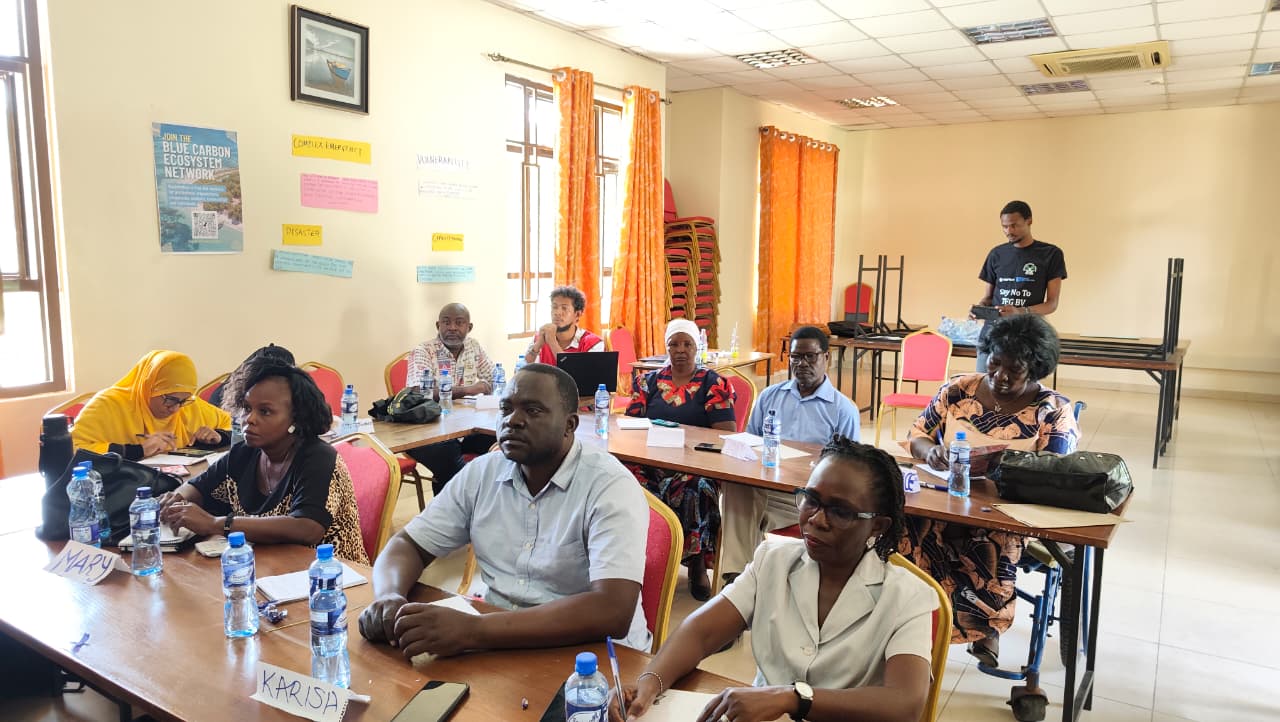
With the country approaching the 2027 General Election, the forum is further strengthening awareness of conflict early warning, social cohesion, responsible communication and prevention of election-related tensions and violence.
The stakeholders are expected to strengthen their understanding of roles and responsibilities, improve coordination and develop practical mechanisms for risk identification, early warning, early action, preparedness, response, recovery and peacebuilding.
The County Government and World Vision have reaffirmed their commitment to continued collaboration with the National Government, Kenya Red Cross, civil society, religious and community structures and other partners to ensure that Lamu is better prepared to anticipate and manage emerging risks.