
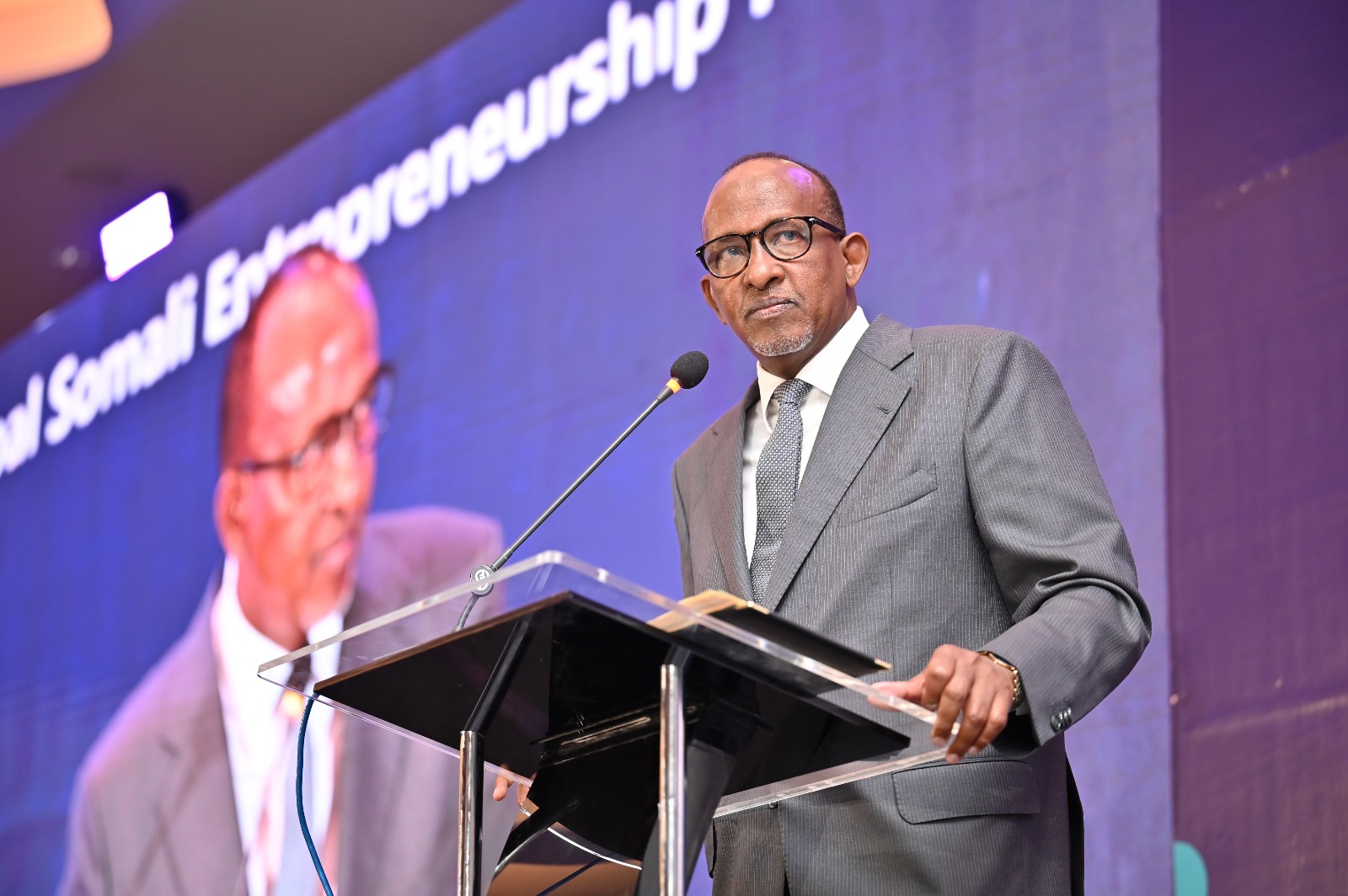
Health Cabinet Secretary Aden Duale has urged investors and entrepreneurs attending GSEF 2026 in Nairobi to transform discussions into tangible business partnerships, sustainable investments and economic opportunities.
Speaking at the Global Somali Entrepreneurship Forum 2026, Aden Duale called for stronger collaboration between governments, investors and the Somali diaspora to accelerate regional trade, entrepreneurship and economic growth.
Aden Duale has challenged GSEF 2026 delegates to prioritise practical investment outcomes, job creation and business expansion, emphasising that the forum's success will be measured by partnerships and opportunities created.
Cabinet Secretary for Health Aden Duale has challenged investors, entrepreneurs, policymakers and development partners to translate discussions at the Global Somali Entrepreneurship Forum (GSEF 2026) into concrete business partnerships, sustainable investments and economic opportunities capable of transforming livelihoods across East Africa.
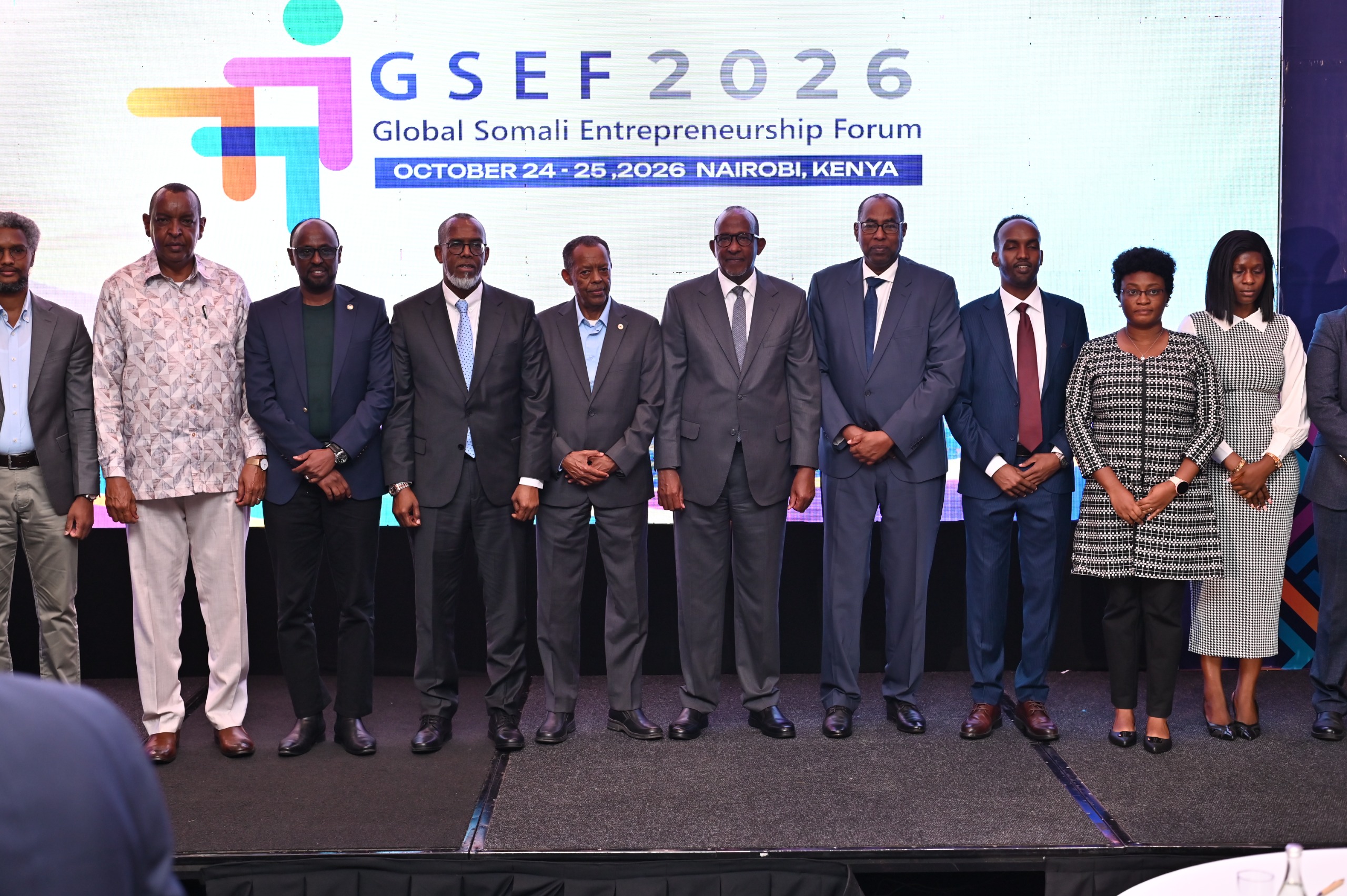
Speaking during the official opening of the third edition of the Global Somali Entrepreneurship Forum at the Radisson Blu Hotel in Nairobi's Upper Hill on Saturday, Duale emphasised that the success of the gathering should be measured not by the number of participants or discussions held, but by the tangible economic outcomes achieved after the event.
The Cabinet Secretary, who served as the forum's Chief Guest, called for stronger collaboration between governments, private sector players, investors and diaspora communities to unlock the region's entrepreneurial potential, accelerate economic integration and create sustainable employment opportunities.
He noted that GSEF had progressively evolved from a platform for dialogue into an important avenue for building partnerships, attracting investment, connecting entrepreneurs and identifying practical opportunities for regional economic cooperation.
"The true measure of success will not simply be the number of delegates attending, but the partnerships formed, investments initiated, businesses supported and opportunities created long after the Forum concludes," Duale said.
The Cabinet Secretary commended the GSEF Organising Committee for sustaining the initiative, noting that its continued growth demonstrated the increasing importance of structured engagement between entrepreneurs, investors, policymakers and development institutions.
Having participated in the previous edition, Duale expressed optimism that the third forum would produce stronger commercial relationships and meaningful investments capable of advancing economic transformation in Somalia and the wider East African region.
East Africa's Economic Potential and Investment Challenges
Addressing delegates under the theme "Shaping the Future of East Africa through Innovation, Inclusive Governance, Regional Integration, and Sustainable Investment," Duale observed that East Africa was at a defining moment in its economic development.
He highlighted the region's youthful population, expanding markets, growing digital economies and vibrant entrepreneurial culture as important foundations for economic transformation.
However, he cautioned that persistent challenges, including youth unemployment, inadequate infrastructure, investment barriers and unequal access to economic opportunities, continued to undermine the region's development potential.
According to Duale, addressing these challenges requires coordinated interventions that strengthen institutions, promote innovation, expand regional cooperation and mobilise investment into productive sectors.
He stressed that governments must establish enabling business environments through sound economic policies, predictable regulatory frameworks, infrastructure development and effective public institutions.
The Cabinet Secretary further observed that innovation, investment and regional integration are closely interconnected, making coordinated action essential for sustainable economic growth.
"Investment cannot flourish without confidence in institutions. And regional integration cannot deliver its full potential unless businesses and citizens can access the opportunities it creates," he stated.
He maintained that the future competitiveness and resilience of East African economies would depend on how effectively governments and private sector institutions integrate these priorities into their development strategies.
Somali Entrepreneurs Recognised for Driving Regional Trade
Duale acknowledged the contribution of Somali entrepreneurs to economic development across Kenya, Somalia and the wider East African region.
He described Somali-owned enterprises as important drivers of trade, investment, employment creation and regional business networks, particularly in hospitality, real estate, logistics, financial services, technology and cross-border commerce.
The Cabinet Secretary noted that Somali entrepreneurs had consistently demonstrated resilience, adaptability and strong business capabilities, enabling them to establish successful enterprises across different economic sectors.
He, however, emphasised the need to create stronger pathways for these businesses to expand their operations, adopt innovative technologies and compete effectively in regional and international markets.
According to Duale, the next phase of economic development should focus on helping existing businesses scale up, access financing, strengthen commercial networks and participate in emerging investment opportunities.
He encouraged investors attending GSEF 2026 to explore partnerships with promising enterprises and identify commercially viable opportunities that could stimulate job creation and economic diversification.
Somalia's EAC Membership Presents New Trade Opportunities
The Cabinet Secretary identified Somalia's accession to the East African Community (EAC) as a significant opportunity for strengthening regional economic cooperation.
He said the country's membership provided a foundation for expanding trade relationships, improving market access, attracting investment and promoting closer collaboration among East African economies.
Duale highlighted the longstanding historical, cultural, social and commercial relationships between Kenya and Somalia, noting that these connections had supported trade, investment and the movement of people and ideas for generations.
He explained that deeper regional integration could provide entrepreneurs with access to larger markets while enabling investors to identify opportunities across national borders.
However, he cautioned that the benefits of regional integration must extend beyond institutional agreements and translate into practical improvements in people's economic lives.
He called for regional cooperation that enables businesses to trade more efficiently, supports cross-border investment and creates meaningful opportunities for young people.
The Cabinet Secretary maintained that economic integration should ultimately be assessed through its contribution to business growth, employment creation and improved livelihoods.
Somali Diaspora Urged to Invest in Productive Enterprises
Duale also underscored the importance of the Somali diaspora in supporting long-term economic development.
He described diaspora communities as a valuable source of investment capital, international business networks, professional expertise and entrepreneurial knowledge.
According to the Cabinet Secretary, these resources could play a transformative role in expanding enterprises, facilitating technology transfer and strengthening commercial relationships between East Africa and international markets.
He urged governments, investors and development institutions to establish structured mechanisms through which diaspora resources could be channelled into productive investments.
"We must continue creating structured pathways through which diaspora capital and knowledge can support productive investments, strengthen businesses and contribute to long-term prosperity," he said.
Duale welcomed the inclusion of business-to-business engagements, investor matchmaking and innovative financing discussions in the GSEF 2026 programme.
He described these engagements as practical mechanisms for connecting entrepreneurs with potential investors, facilitating commercial partnerships and translating business ideas into viable investment opportunities.
The Cabinet Secretary emphasised that such initiatives should continue beyond the forum to ensure that emerging partnerships develop into sustainable enterprises.
Youth and Women Central to Economic Transformation
Turning to inclusive economic development, Duale called for increased investment in young people and women, describing their participation as essential to East Africa's future prosperity.
He noted that the region's youthful population represented a major economic asset whose potential could be realised through improved access to education, technical skills, technology, financing and enterprise development opportunities.
The Cabinet Secretary challenged policymakers and development partners to strengthen support systems that enable young entrepreneurs to transform innovative ideas into commercially viable businesses.
He further called for deliberate interventions to eliminate barriers limiting women's participation in entrepreneurship, investment, innovation and business leadership.
Duale observed that technology and digital innovation were already transforming business operations, service delivery and market access across the region.
He stressed the importance of ensuring that digital opportunities are accessible to underserved communities and individuals who have historically faced obstacles to economic participation.
According to the Cabinet Secretary, sustainable development must be assessed not only through investment volumes and market expansion but also through improvements in people's lives.
He maintained that economic policies and investment programmes should prioritise inclusive growth, decent employment and equitable access to opportunities.
Private Sector Partnerships Key to Sustainable Growth
The Cabinet Secretary reiterated that governments alone could not deliver the economic transformation required across East Africa.
He emphasised that the private sector must remain a central partner in mobilising capital, developing innovative solutions, creating employment and expanding productive economic activities.
Duale called for stronger cooperation between public institutions and private enterprises to address structural challenges that discourage investment and limit business expansion.
He said effective institutions, reliable infrastructure and predictable regulatory environments were essential for building investor confidence and encouraging long-term commitments.
The Cabinet Secretary also urged development partners to identify practical areas of collaboration that would support entrepreneurship, strengthen regional business ecosystems and promote sustainable investment.
He encouraged participants to use the forum to establish new commercial relationships, explore emerging sectors and develop partnerships capable of delivering measurable economic benefits.
Duale Calls for Action Beyond GSEF 2026
As he concluded his address, Duale challenged delegates to ensure that the ideas and commitments emerging from GSEF 2026 were translated into meaningful action.
He urged governments, investors, entrepreneurs, development partners and diaspora communities to maintain engagement beyond the two-day gathering and pursue opportunities identified during the discussions.
The Cabinet Secretary expressed confidence that the forum could make an increasingly important contribution to Somalia's economic transformation and East Africa's shared prosperity.
He emphasised that the region's economic future would depend on collective action involving entrepreneurs, innovators, investors, institutions and communities rather than government interventions alone.
Duale also congratulated the GSEF Organising Committee for its vision and commitment to promoting entrepreneurship, investment and regional cooperation.
He called for an East Africa where innovation generates opportunities, regional partnerships strengthen economies and investment delivers sustainable and inclusive prosperity.
The Cabinet Secretary subsequently declared the third Global Somali Entrepreneurship Forum officially open, setting the stage for discussions and business engagements aimed at advancing innovation, regional integration and sustainable investment.
For the investors, entrepreneurs and policymakers gathered in Nairobi, his message was clear: the real success of GSEF 2026 will be determined by the businesses established, partnerships secured, investments mobilised and economic opportunities created long after the forum ends.