Oxfam Kenya and partners have launched a climate risk insurance project in Isiolo County to protect seven community water systems against droughts and floods, ensuring faster restoration of essential water services.
Excerpt 2: Seven community water systems in Isiolo will benefit from climate insurance and infrastructure maintenance, while 1,400 households receive financial protection against unexpected hospitalisation costs through HospiCash.
Excerpt 3: Oxfam Kenya, Britam Foundation and development partners are introducing climate risk financing in Isiolo to strengthen water security, reduce infrastructure breakdowns and protect vulnerable communities from climate-related shocks.
Residents of Isiolo County are set to benefit from an innovative climate risk insurance initiative designed to protect community water systems against droughts and floods, ensuring faster restoration of essential water services when extreme weather events disrupt supply.
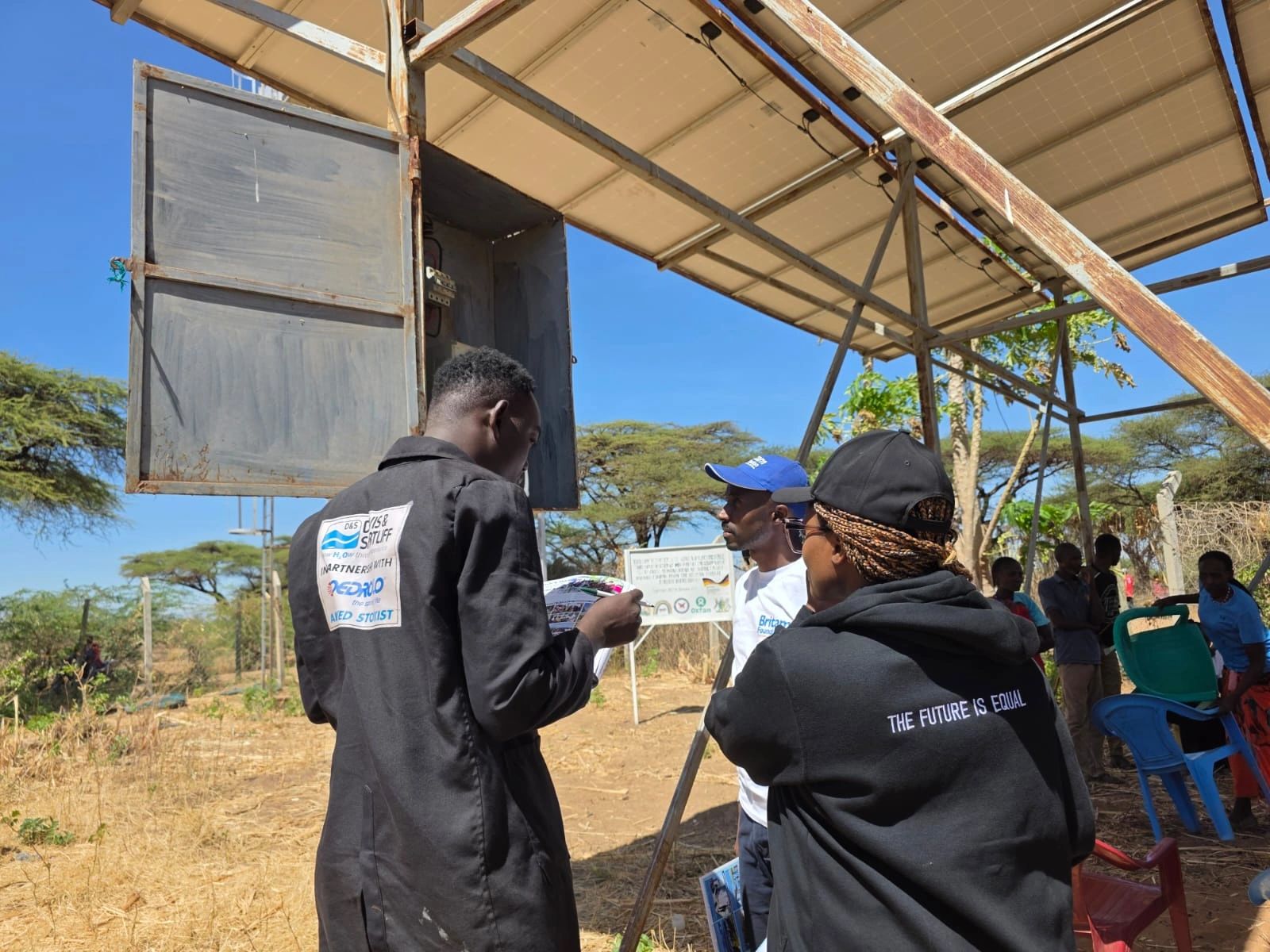
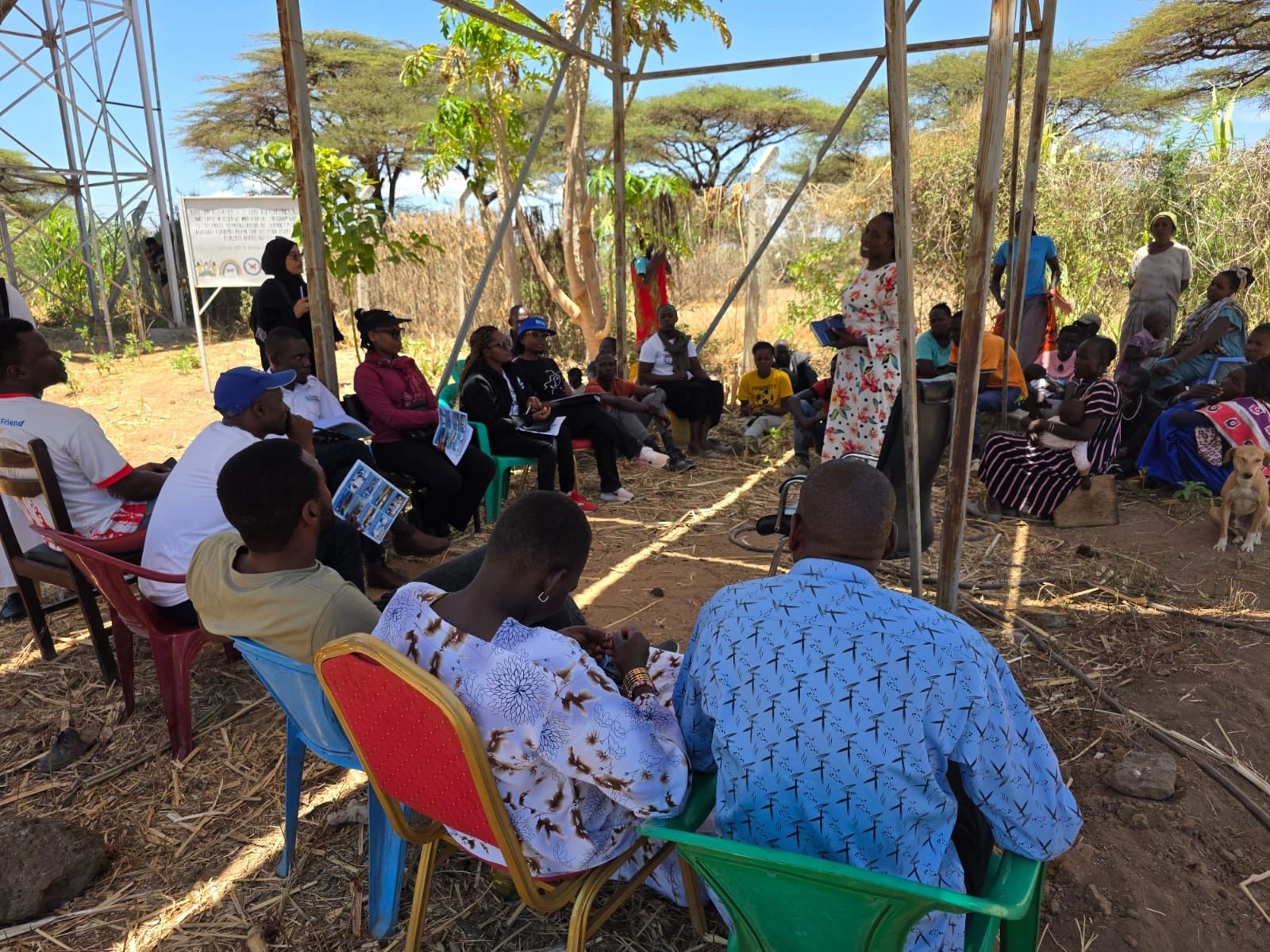
The WASH Climate Risk Insurance Project, launched by Oxfam Kenya in partnership with Britam Foundation, Davis & Shirtliff, MID-P Kenya, the County Government of Isiolo, Isiolo Water and Sewerage Company (IWASCO) and other stakeholders, seeks to strengthen water security and financial resilience among vulnerable communities.
Under the initiative, seven community water systems will receive climate risk insurance protection, providing a financial mechanism to support the restoration of water services following climate-related disasters.
The project will also extend financial protection to 1,400 households through HospiCash, a hospitalisation-related financial support mechanism intended to help families manage unexpected healthcare expenses.
According to Oxfam Kenya, the initiative responds to recurring challenges in Isiolo, where prolonged droughts and destructive floods frequently affect water infrastructure, disrupting access to clean water for households, schools and healthcare facilities.
The project combines climate risk financing, preventive infrastructure maintenance and household financial protection to reduce the long-term consequences of climate shocks.
Seven Community Water Systems to Receive Insurance Protection
At the centre of the initiative is an insurance mechanism designed to protect seven community water systems against climate-related disruptions.
In Isiolo County, where communities frequently experience prolonged dry periods and occasional flooding, water infrastructure remains vulnerable to damage and operational interruptions.
Drought conditions can reduce available water supplies, while flooding can damage pipelines, pumping facilities and other essential infrastructure, leaving communities without reliable access to safe water.
Such disruptions can have serious consequences for households that depend on community water systems for drinking, cooking, hygiene and other daily needs.
Schools and healthcare facilities can also face operational challenges when water supplies become unreliable.
Through the WASH Climate Risk Insurance Project, participating water systems will have access to insurance protection intended to make resources available for faster restoration of services following qualifying climate-related events.
The approach seeks to reduce the delays that can occur when communities and water service providers must mobilise emergency funds after infrastructure has already been damaged.
By establishing financial protection arrangements in advance, the initiative aims to strengthen disaster preparedness and support more timely recovery.
However, the effectiveness of the insurance mechanism will depend on the policy's coverage conditions, claims procedures and the availability of funds when qualifying events occur.
Oxfam Kenya Highlights Impact of Climate Shocks on Water Access
Oxfam Kenya has emphasised that climate-related disasters should not result in prolonged loss of access to essential services, particularly safe drinking water.
"Climate shocks should not mean losing access to safe water," the organisation stated while announcing the initiative.
According to Oxfam, droughts and floods in Isiolo frequently damage community water systems, leaving families, schools and healthcare facilities without reliable supplies when they are most needed.
These disruptions can increase the vulnerability of households already facing economic and environmental challenges.
For communities dependent on shared water infrastructure, a single breakdown can affect numerous households and essential institutions.
Where alternative water sources are limited or located far from residential areas, interruptions can also increase the time and cost associated with obtaining water.
The new initiative seeks to address these challenges by introducing financial protection arrangements that support faster recovery while reducing the risk of prolonged service interruptions.
The project reflects growing interest in using climate risk financing to protect essential public infrastructure and strengthen community resilience.
1,400 Households to Benefit from HospiCash Support
Beyond protecting water infrastructure, the project will support 1,400 households through HospiCash, a financial protection mechanism designed to provide relief when a covered family member is hospitalised.
Unexpected medical expenses can place considerable financial pressure on vulnerable households, particularly those with limited savings or irregular income.
Hospitalisation can also affect household earnings when family members are unable to work or must spend time caring for relatives receiving treatment.
Through HospiCash, participating households are expected to receive financial support following eligible hospitalisation events, helping them manage some of the associated financial pressures.
The initiative seeks to strengthen household resilience by addressing health-related financial shocks alongside climate-related risks to water access.
This combined approach recognises that vulnerable communities often face multiple interconnected challenges, including water insecurity, health emergencies and economic instability.
By integrating household financial protection with climate-resilient water services, the project aims to reduce the likelihood that unexpected events will result in prolonged financial hardship.
The specific HospiCash benefit amounts, eligibility requirements and payment conditions were not detailed in Oxfam Kenya's announcement.
These details will be important in determining the extent of financial protection available to participating households.
Preventive Maintenance to Reduce Water System Breakdowns
In addition to insurance protection, the WASH Climate Risk Insurance Project will invest in preventive and curative maintenance of community water infrastructure.
Preventive maintenance involves regular inspections, servicing and repairs intended to identify potential problems before they cause major system failures.
Curative maintenance focuses on restoring infrastructure that has already developed faults or suffered damage.
According to Oxfam Kenya, the maintenance component is intended to reduce breakdowns and keep water systems operational for communities that depend on them.
This approach is important because insurance alone cannot prevent infrastructure damage or eliminate operational challenges.
Regular maintenance can help extend the lifespan of water infrastructure, improve service reliability and reduce the frequency of avoidable breakdowns.
For water service providers, planned maintenance can also support more efficient use of resources by addressing minor technical problems before they develop into costly failures.
The project's combination of maintenance and insurance therefore seeks to strengthen both the physical reliability and financial resilience of community water systems.
By investing in infrastructure protection before disasters occur, the partners aim to reduce the severity and duration of service interruptions.
Isiolo Faces Persistent Climate and Water Security Challenges
Isiolo County is among Kenya's arid and semi-arid regions, where water availability is closely linked to rainfall patterns and environmental conditions.
Prolonged droughts can affect household water supplies, livestock production and livelihoods, while intense rainfall and flooding can damage infrastructure and disrupt essential services.
These challenges create additional pressure on communities that depend on water systems with limited financial and technical capacity to respond to emergencies.
For households, unreliable water supplies can increase expenditure on alternative sources and create difficulties in maintaining hygiene and sanitation.
Healthcare facilities require dependable water supplies for infection prevention, cleaning and the delivery of essential medical services.
Schools also depend on water for sanitation, hygiene and the wellbeing of learners.
When water systems fail, the effects can therefore extend beyond domestic consumption to education, healthcare and local economic activities.
The WASH Climate Risk Insurance Project seeks to address some of these vulnerabilities by ensuring that participating water systems have stronger financial and operational arrangements to respond to climate-related disruptions.
The initiative also highlights the importance of integrating climate adaptation into the planning and management of essential public services.
Partnerships Bring Together Insurance and Water Sector Expertise
The project brings together organisations with experience in humanitarian programming, insurance, water infrastructure and local service delivery.
Oxfam Kenya is working alongside Britam Foundation, Davis & Shirtliff, MID-P Kenya, the County Government of Isiolo and IWASCO to implement the initiative.
The partnership reflects an approach in which different institutions contribute to strengthening community water security and financial protection.
Britam Foundation's participation connects the initiative to the insurance and financial protection sector, while Davis & Shirtliff brings expertise associated with water technologies and infrastructure.
The involvement of the County Government of Isiolo and IWASCO is particularly important for coordinating interventions with local water service priorities and existing infrastructure management arrangements.
MID-P Kenya and other participating partners are also involved in supporting the initiative's implementation.
The collaboration demonstrates how public institutions, private-sector organisations and development partners can work together to address challenges that require both technical solutions and sustainable financing.
For communities affected by recurring climate shocks, such partnerships can provide opportunities to strengthen preparedness and improve access to essential services.
Climate Risk Insurance Offers an Alternative to Reactive Disaster Financing
Traditionally, the restoration of damaged community infrastructure can depend on emergency fundraising, government allocations or external humanitarian assistance after a disaster has occurred.
Such arrangements may result in delays, particularly when financial resources are limited or multiple communities require assistance simultaneously.
Climate risk insurance offers a different approach by establishing financial protection before an adverse event occurs.
Depending on the policy design, insurance arrangements can provide funding following specified losses or predefined climate-related triggers.
This can help reduce uncertainty over the availability of resources for recovery and support more timely interventions.
In Isiolo, the project seeks to apply this approach to community water infrastructure, an essential service that can be severely affected by droughts and floods.
The initiative also recognises that financial preparedness must be complemented by infrastructure maintenance, technical capacity and effective local management.
Insurance coverage cannot guarantee uninterrupted water supplies, particularly where disruptions arise from causes outside the policy's scope.
Nevertheless, when appropriately designed and implemented, such mechanisms can strengthen the ability of water service providers and communities to respond to covered climate-related emergencies.
The Isiolo initiative could also generate practical lessons for other counties seeking to strengthen the resilience of community-managed water systems.
Protecting Water Access and Community Livelihoods
Reliable access to safe water is essential not only for public health but also for household livelihoods and economic stability.
When water systems are damaged, families may face additional costs in purchasing water or travelling longer distances to alternative sources.
These pressures can be particularly difficult for low-income households already experiencing the effects of drought, food insecurity or reduced income.
Disruptions can also affect small businesses and institutions that depend on reliable water supplies.
By protecting community water infrastructure and supporting faster restoration after qualifying disasters, the WASH Climate Risk Insurance Project aims to reduce some of these economic and social consequences.
The HospiCash component further extends the project's financial resilience objectives by providing eligible households with support during hospitalisation.
Together, the interventions seek to strengthen communities' capacity to withstand unexpected shocks without experiencing prolonged disruptions to essential services or severe financial strain.
The project also contributes to broader development priorities associated with clean water and sanitation, climate adaptation, public health and poverty reduction.
These priorities are reflected in the Sustainable Development Goals, particularly SDG 6 on clean water and sanitation and SDG 13 on climate action.
Focus on Long-Term Climate Resilience
Oxfam Kenya has described the initiative as part of efforts to build resilience, protect livelihoods and prevent climate-related disruptions from developing into prolonged humanitarian and economic crises.
The organisation emphasised the importance of ensuring that vulnerable communities can continue accessing essential services despite increasingly challenging environmental conditions.
The project will seek to achieve this through a combination of climate risk insurance, water infrastructure maintenance and household financial protection.
Its success will depend on effective coordination among the implementing partners, appropriate insurance coverage and sustained investment in water infrastructure.
Monitoring the performance of the seven insured water systems will also be important in assessing whether the intervention reduces the duration of service interruptions following climate-related disasters.
Similarly, tracking the reach and effectiveness of HospiCash support will help determine how the financial protection component contributes to household resilience.
The partners have not yet publicly detailed the project's overall budget, implementation duration or the specific locations of the seven participating water systems in the information provided.
These details will be important for evaluating its long-term impact and potential for expansion.
For communities in Isiolo, however, the initiative represents a new approach to addressing the financial and infrastructure challenges associated with recurring climate shocks.
By combining insurance protection with preventive maintenance and household financial support, the WASH Climate Risk Insurance Project seeks to ensure that droughts and floods do not leave vulnerable communities facing prolonged water shortages and avoidable financial hardship.