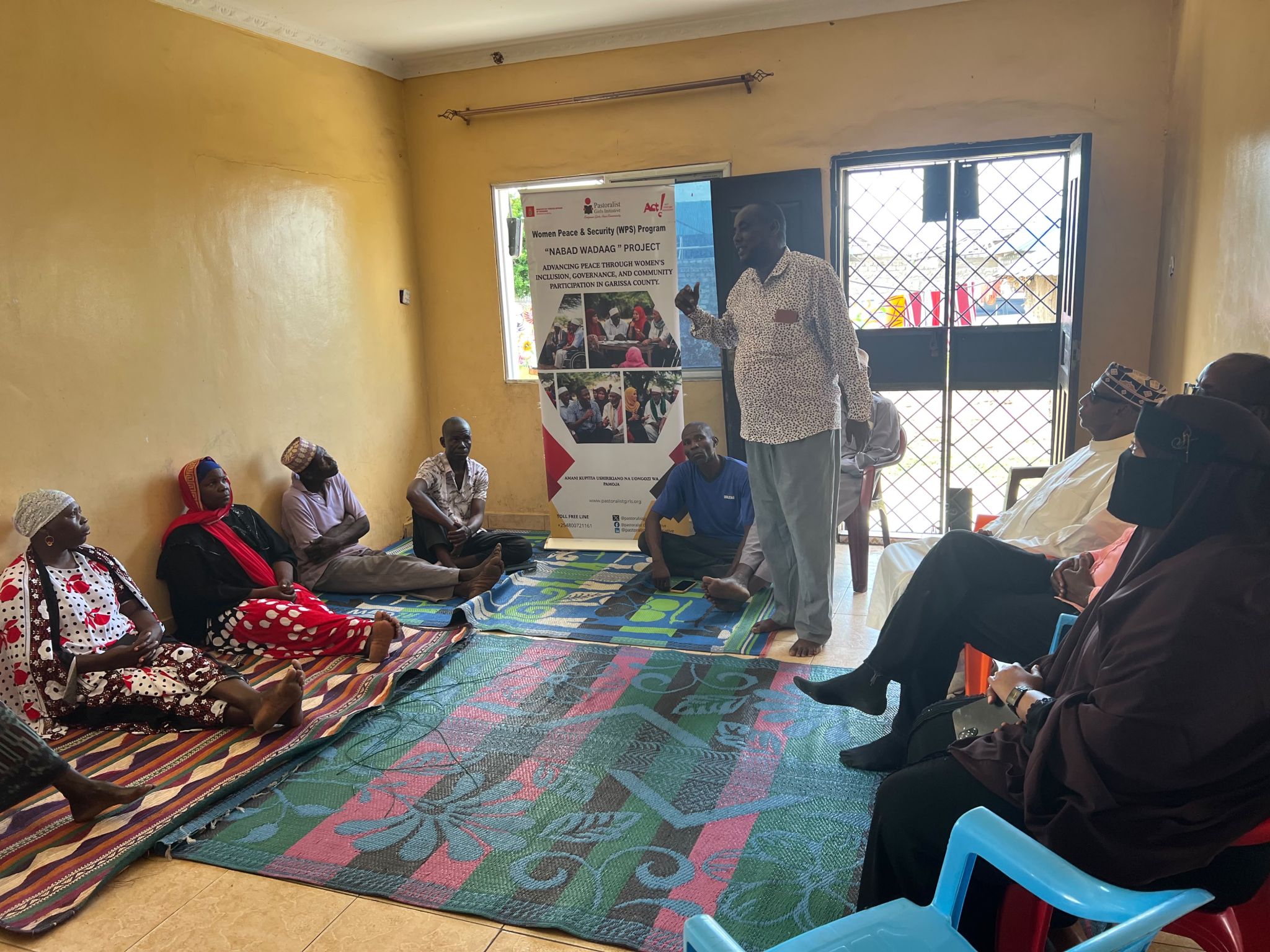
The Ijara Sub-County Peace Committee has intensified conflict prevention efforts along the Garissa–Tana River border through targeted mediation and community engagement meetings aimed at addressing emerging tensions.
Working alongside local security teams, the committee engaged communities in Kinakomba, Hidaya and Torabota to address potential disputes over shared grazing land and water resources while strengthening peaceful coexistence.
The initiative, implemented by Pastoralist Girls Initiative (PGI) under the Women, Peace and Security Project, with Act Change Transform and funding from Denmark, seeks to strengthen grassroots peacebuilding and community-led conflict resolution.
The Ijara Sub-County Peace Committee has intensified efforts to prevent conflict and strengthen peaceful coexistence between communities living along the Garissa–Tana River border through targeted mediation and community engagement initiatives.
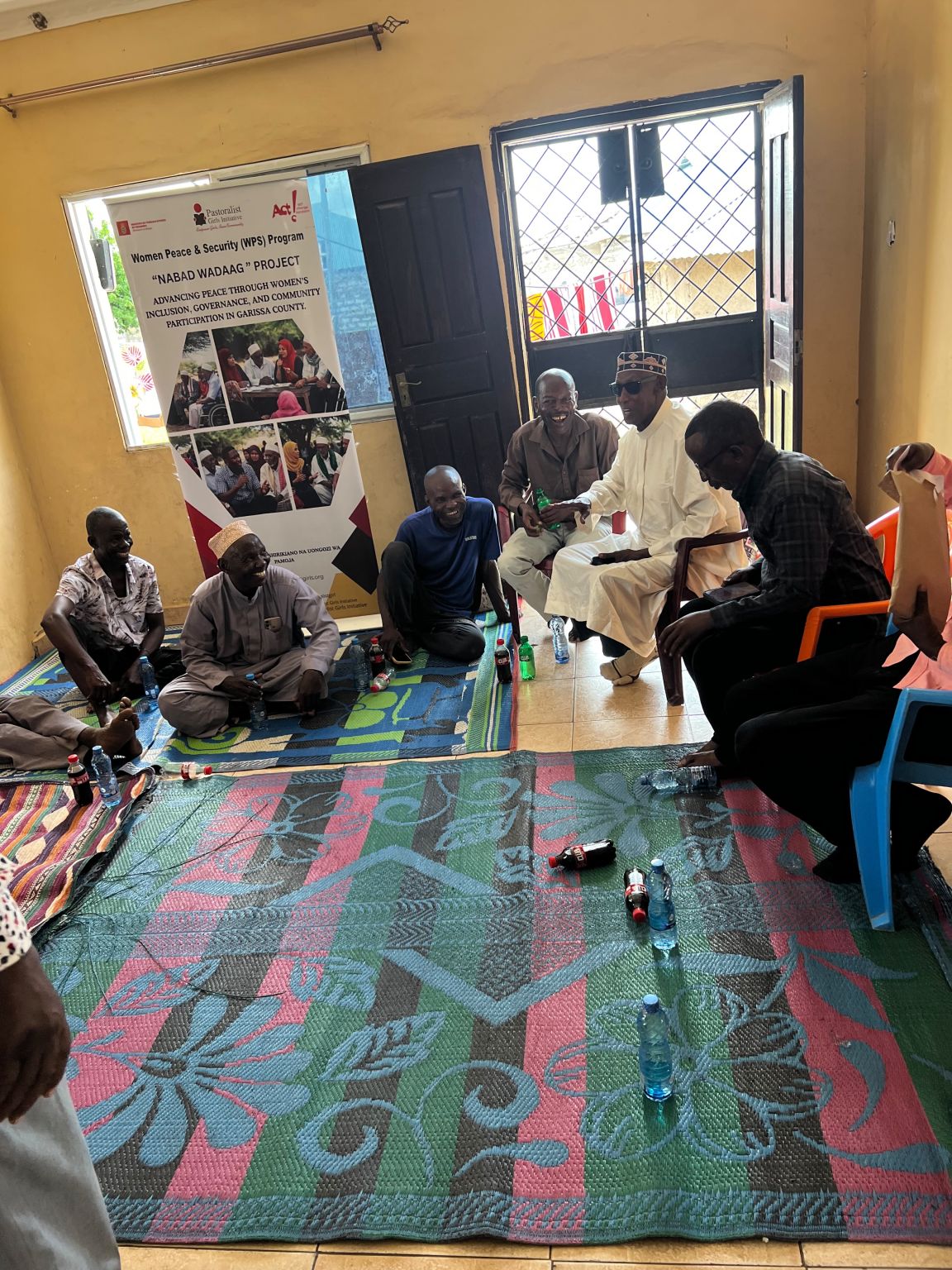
The committee recently conducted two strategic monitoring and assessment meetings along the Kinakomba area in Tana River County and Hidaya/Torabota areas in Garissa County, seeking to address emerging tensions and prevent potential disputes from escalating into conflict.
The initiative comes amid concerns over tensions between neighbouring communities, particularly regarding access to shared grazing land and water resources, which are critical to pastoralist livelihoods.
Working alongside the sub-county security team, the peace committee engaged community members from both sides of the border to listen to their concerns, identify potential conflict triggers and gather recommendations for strengthening inter-community relationships.
The engagements provided an opportunity for residents to openly discuss challenges affecting peaceful coexistence and explore locally driven solutions to prevent disputes over natural resources.
By addressing emerging tensions before they escalate, the committee seeks to safeguard access to essential livelihood resources while promoting dialogue, mutual understanding and cooperation between the neighbouring communities.
The intervention also highlights the growing role of grassroots peace structures in conflict prevention, demonstrating how locally led mediation can contribute to lasting stability, particularly in areas where communities share natural resources and maintain close social and economic ties across administrative boundaries.
The initiative is being implemented under the Women, Peace and Security (WPS) Project by the Pastoralist Girls Initiative (PGI), in partnership with Act Change Transform (Act!) and with funding from Denmark.
Through the project, PGI and its partners are supporting community-led approaches to peacebuilding while strengthening the participation of local structures in addressing conflict and promoting social cohesion.
The involvement of the Ijara Sub-County Peace Committee and local security teams further underscores the importance of collaboration between communities, government institutions and development partners in building sustainable peace.
As competition over grazing land and water resources continues to pose challenges in pastoralist areas, proactive mediation and sustained community dialogue remain essential in preventing conflict and protecting livelihoods.
The ongoing efforts seek to strengthen trust between neighbouring communities and reinforce the principle that lasting peace is best achieved through inclusive dialogue, local leadership and collective responsibility.