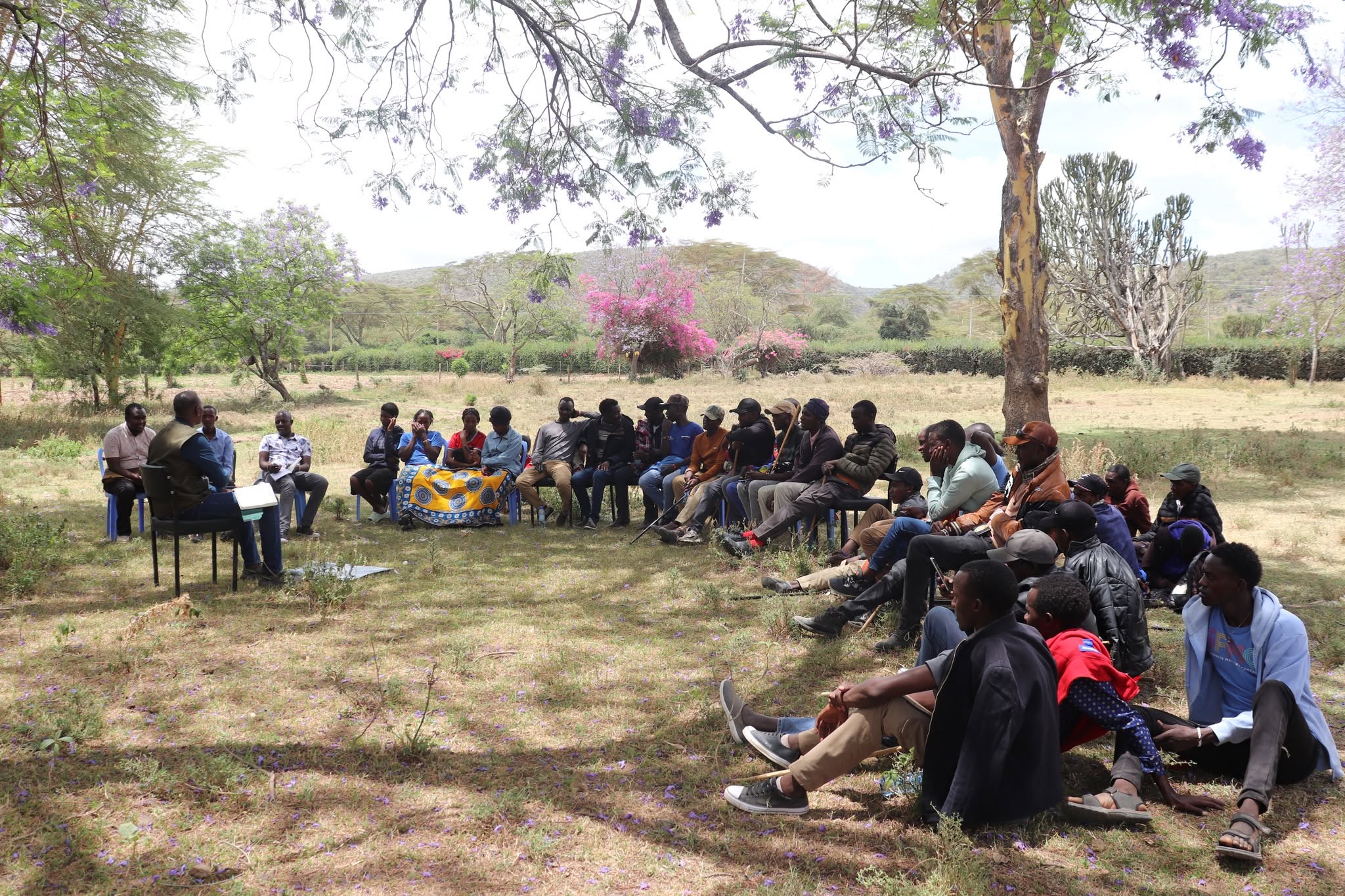
DLCI and ILRI have engaged pastoralist communities in Mara Ward, Narok County, to raise awareness of livestock health services, policies and livelihood opportunities.
The engagement explored access to reliable livestock health information, pastoralist cooperatives and collaboration with government institutions to improve service delivery.
Discussions highlighted the National Livestock Development and Promotion Service as an opportunity for pastoralists to access structured support across the livestock value chain.
The Drylands Learning and Capacity Building Initiative (DLCI), in partnership with the International Livestock Research Institute (ILRI), has engaged pastoralist communities in Mara Ward, Narok County, to strengthen awareness of livestock services, policies and opportunities that can support their livelihoods.
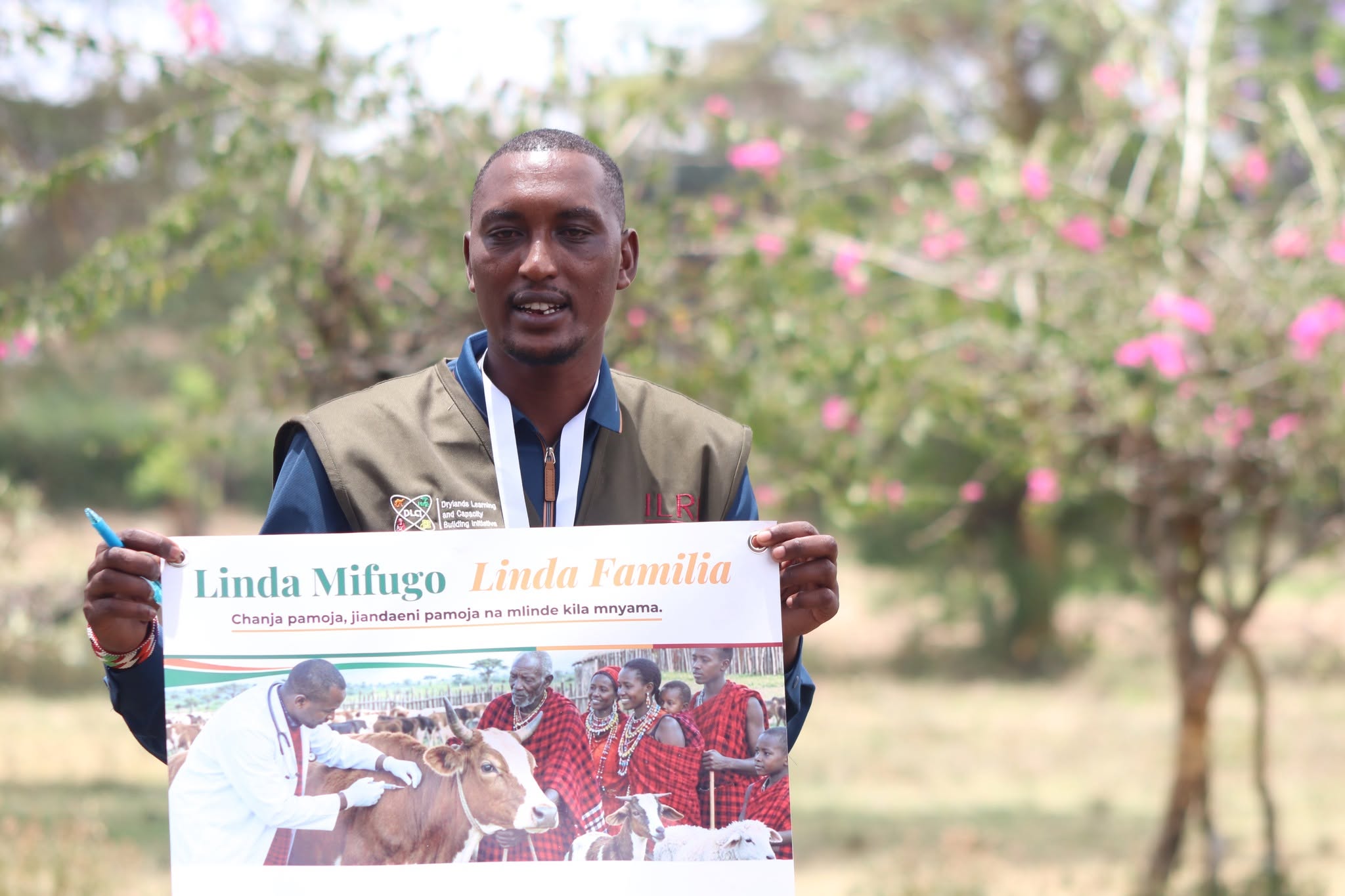
The engagement focused on livestock health, access to reliable animal health information, the pastoralist cooperative model and opportunities for communities to work with government institutions to improve service delivery.
According to DLCI, the initiative forms part of its continuing efforts to help pastoralist communities understand and access existing support across the livestock sector.
Discussions highlighted the importance of reliable livestock health information in helping livestock keepers make informed decisions and identify available services. Participants also explored how engagement with government entities could help address community needs and strengthen the delivery of livestock services.
The pastoralist cooperative model was another key area of discussion, introducing opportunities for collective organisation within the livestock sector. The engagement provided a platform to consider how pastoralists can work together and connect with institutions supporting livestock production and livelihoods.
Central to the discussions was the National Livestock Development and Promotion Service (NLDPS), which DLCI said was established following resolutions of the fourth Pastoralist Leadership Summit.
The organisation identified the service as an important opportunity for pastoralist communities to access structured support across the livestock value chain. Raising awareness of its role was therefore a key part of helping communities understand the opportunities available to them.
The Mara Ward engagement brought together discussions on animal health, community organisation and government support, reflecting the different services and partnerships needed to strengthen pastoral livelihoods.
DLCI said its collaboration with ILRI reflects a shared commitment to improving pastoralist livelihoods and strengthening livestock value chains in Kenya’s drylands.
Through the partnership, the organisations are supporting community awareness and engagement to help pastoralists make better use of policies, services and opportunities intended to support the sector.