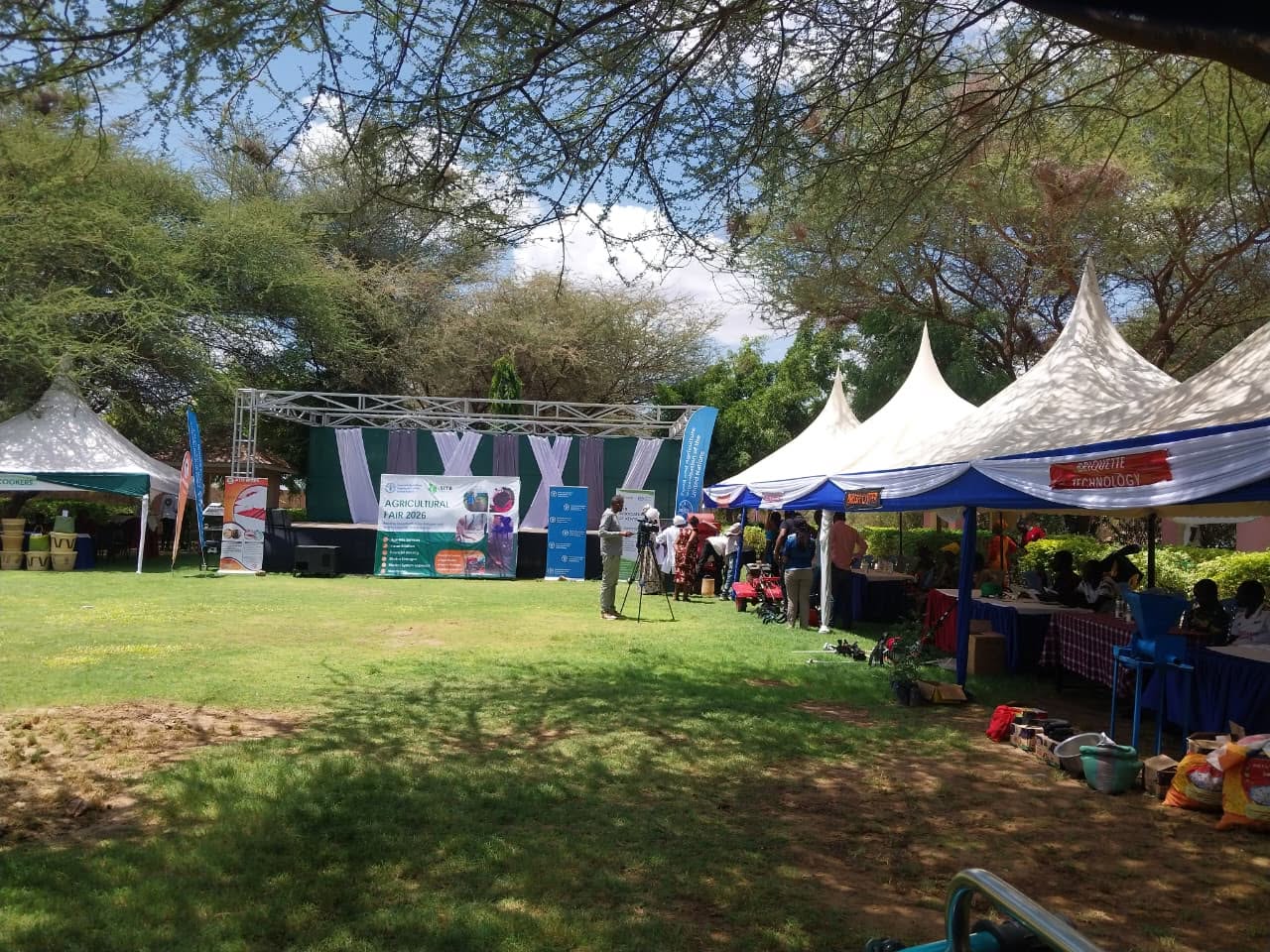
Sixty groups representing approximately 500 beneficiaries showcased enterprises, products and technologies at an FAO Agri-Fair in Kakuma.
Organised under an EU-supported project, the Kakuma Agri-Fair highlighted efforts to strengthen livelihoods and self-reliance among refugees and host communities.
FAO and SIYB brought together beneficiaries, development partners and stakeholders to celebrate progress in building economic resilience in Kakuma.
Sixty groups representing approximately 500 beneficiaries participated in an agricultural fair organised by the Food and Agriculture Organization of the United Nations (FAO) in Kakuma, showcasing enterprises, products and technologies supported through a project promoting refugee and host community resilience.
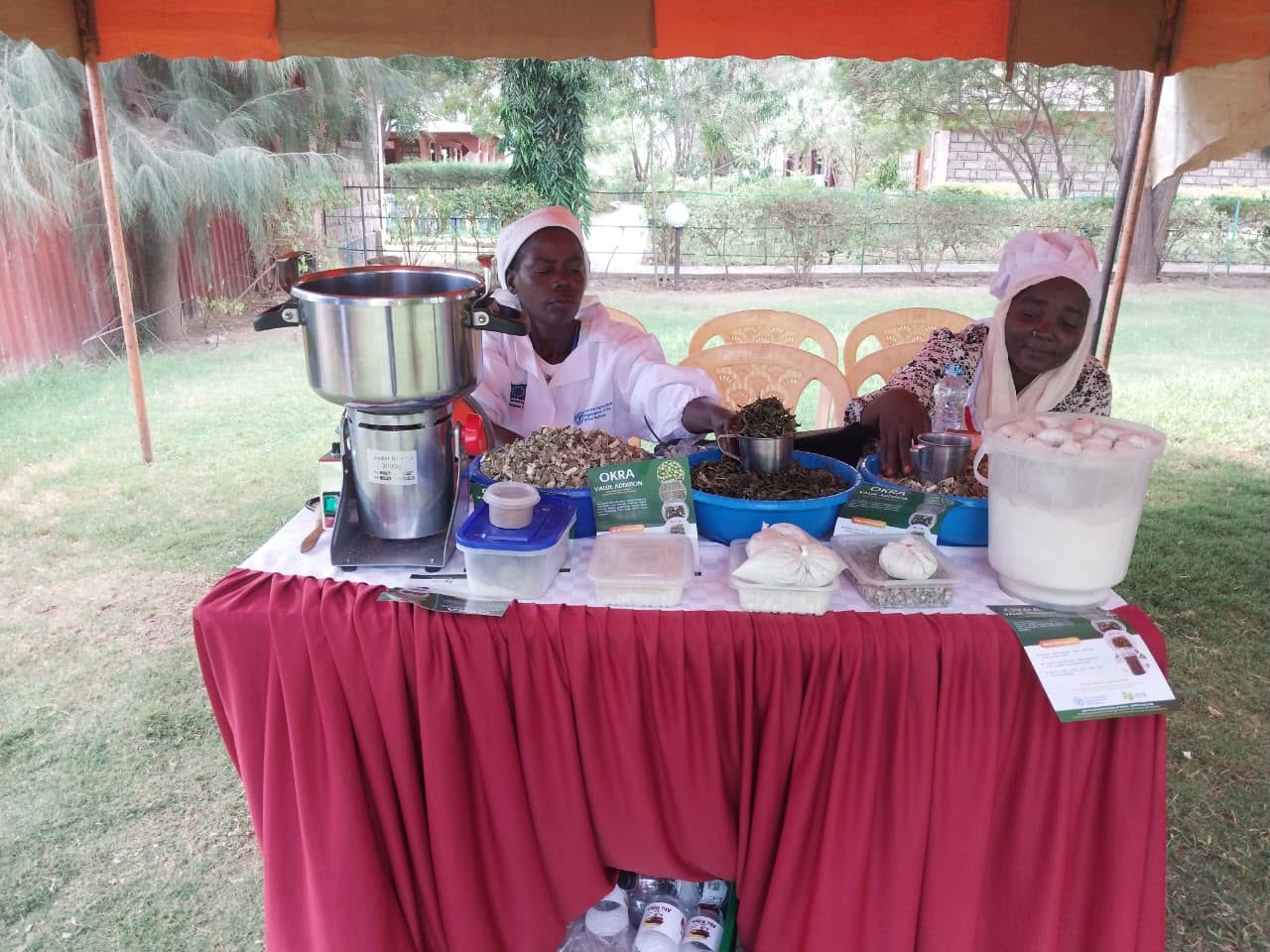
FAO’s Kakuma Field Office organised the Agri-Fair in collaboration with its service provider, Start and Improve Your Business (SIYB), under the European Union-supported project, “Building Opportunities for Refugees and Host Communities’ Resilience and Self-Reliance.”
The event brought together project beneficiaries, development partners and other stakeholders to review and celebrate achievements in strengthening livelihoods and economic resilience among refugees and host communities.
Exhibitors displayed technologies, products, equipment and enterprises supported through the project, offering a practical view of the activities being undertaken by participating groups.
According to FAO Kenya, the 60 groups represented approximately 500 beneficiaries. Their participation placed community enterprises at the centre of the exhibition, highlighting the people and livelihood activities behind the project’s broader resilience objectives.
The fair provided a shared platform for refugees and host community members to present their work to partners and stakeholders. It also brought the project’s support into a public exhibition setting, where visitors could see the range of products and equipment associated with participating enterprises.
The initiative focuses on building opportunities for both communities to strengthen their livelihoods and move towards greater self-reliance. The Agri-Fair reflected that joint approach by bringing refugee and host community groups together within the same exhibition.
Economic resilience and self-reliance were central themes of the event. The enterprises on display illustrated the project’s emphasis on supporting livelihood activities through practical inputs, technologies and business opportunities.
FAO’s collaboration with SIYB formed part of the organisation of the fair, while European Union support underpinned the wider project through which the exhibited activities were supported.
The presence of development partners and stakeholders also created an opportunity to engage directly with participating groups and view the achievements presented by beneficiaries.
For the groups involved, the exhibition offered visibility for their enterprises and a platform to demonstrate how project support is being applied in their livelihood activities.
The Kakuma Agri-Fair highlighted the role of community enterprises in efforts to strengthen economic resilience, with refugees and host communities jointly showcasing the products, technologies and equipment supporting their pursuit of more sustainable livelihoods.