
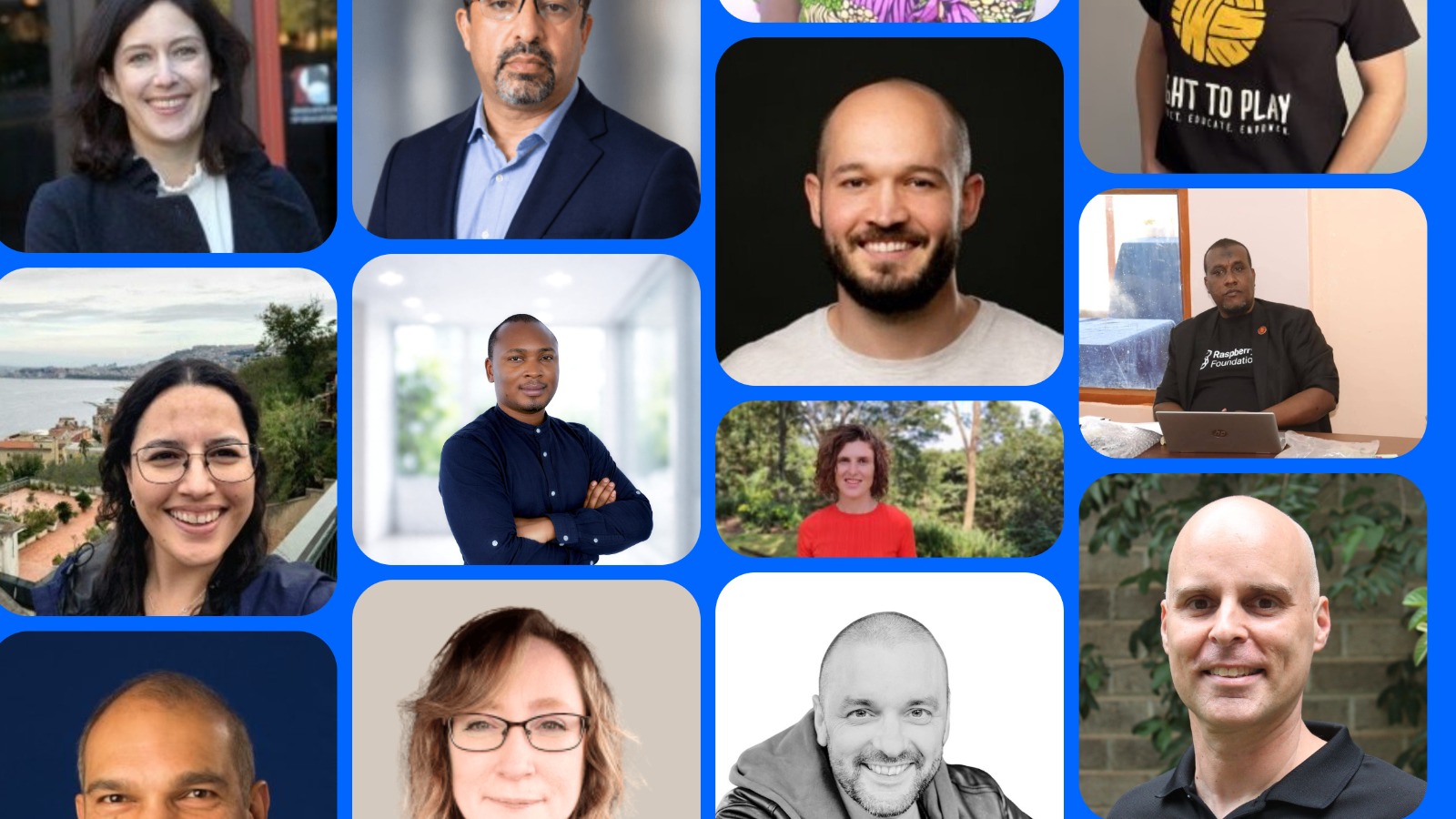
Abdullahi Maalim of FCDC will present offline-first solutions for expanding digital learning in Africa’s underserved schools at an international summit in Virginia.
Drawing on lessons from Kenya’s remote communities, Maalim will highlight how digital hubs, rehabilitated devices and teacher training can overcome unreliable internet connectivity.
Maalim’s presentation will challenge education stakeholders to build resilient digital ecosystems that reach Africa’s last-mile schools and leave no learner behind.
Abdullahi Maalim of the Frontier Counties Development Council (FCDC) is set to address the challenges and opportunities surrounding digital learning in Africa’s underserved communities during the 16th Marvellous Education Alliance Summit in Arlington, Virginia, USA.
Maalim will speak at the international summit on 8 October 2026, delivering a session titled “Learning Without Limits: An Offline-First Digital Learning Ecosystem for Africa’s Last Mile Schools.”
His presentation will focus on a critical question affecting many schools across Africa: Can digital learning reach every learner when schools have access to technology but lack reliable internet connectivity?
Drawing on lessons from Kenya’s underserved and hard-to-connect communities, Maalim will highlight why digital inclusion cannot depend entirely on stable internet access.
Many schools, particularly those in remote, arid and marginalised areas, continue to face limited connectivity, inadequate infrastructure and shortages of functional digital devices.
These challenges often prevent learners and teachers from benefiting fully from the growing number of digital education resources. Maalim is expected to demonstrate that adopting offline-first approaches could help bridge the divide and ensure technology-supported learning remains accessible even in areas with weak or unavailable internet connectivity.
His session will explore practical interventions such as offline digital learning platforms, community digital hubs, rehabilitation of electronic devices, teacher capacity building and locally led technological innovation. He will also discuss the importance of building strong partnerships among governments, communities, development organisations, educators and technology providers.
According to Maalim, offline-first solutions can enable schools to store and access educational materials without requiring learners or teachers to remain constantly connected to the internet. Such systems can be periodically updated whenever connectivity becomes available, allowing learning to continue uninterrupted in remote locations.
Community digital hubs will also feature prominently in the presentation. When strategically established, the hubs can provide shared access to devices, educational content and digital skills training for learners, teachers and other community members. This approach could help communities overcome the high cost of individual devices and internet subscriptions.
Maalim will further highlight device rehabilitation as an affordable and environmentally responsible way of expanding access to educational technology. Repairing and repurposing computers, tablets and other devices could equip more schools while reducing electronic waste.
However, access to devices and educational content alone cannot guarantee meaningful digital learning. Teachers must also possess the skills and confidence required to integrate technology into their lessons effectively. Maalim will therefore emphasise sustained teacher training, technical support and the development of solutions suited to local learning environments.
Locally led innovation will be another central theme of the session. Digital education solutions designed with the participation of teachers, learners and communities are more likely to respond to local needs, languages, cultural realities and infrastructure limitations. Community involvement can also strengthen ownership and improve the long-term sustainability of digital learning initiatives.
The session is expected to challenge policymakers, education practitioners, development partners and technology innovators to reconsider approaches that assume continuous internet access. Instead, Maalim will advocate for resilient digital learning ecosystems capable of reaching Africa’s last-mile schools and continuing to function under difficult conditions.
“The bigger question is: Can we build digital learning systems that reach the last mile, and keep working there?” Maalim said while announcing his participation.
He invited summit participants to attend the session and contribute their experiences, questions and ideas on expanding inclusive digital education.
Through his presentation, Maalim hopes to encourage greater collaboration and investment in practical solutions that ensure geographical location, limited infrastructure and unreliable connectivity do not prevent learners from accessing quality digital education.
The Arlington summit will provide a platform for stakeholders to exchange evidence, innovations and lessons on the role of technology in improving educational outcomes. Maalim’s participation will bring perspectives from Kenya’s underserved communities into the international conversation on equitable and sustainable digital learning.
His message ahead of the summit is clear: digital transformation in education must be deliberately designed to include the most remote and marginalised learners.
“Let’s challenge assumptions. Let’s share what works. And most importantly, let’s build digital learning that leaves no learner behind,” he said.